
Last updated November 24, 2026
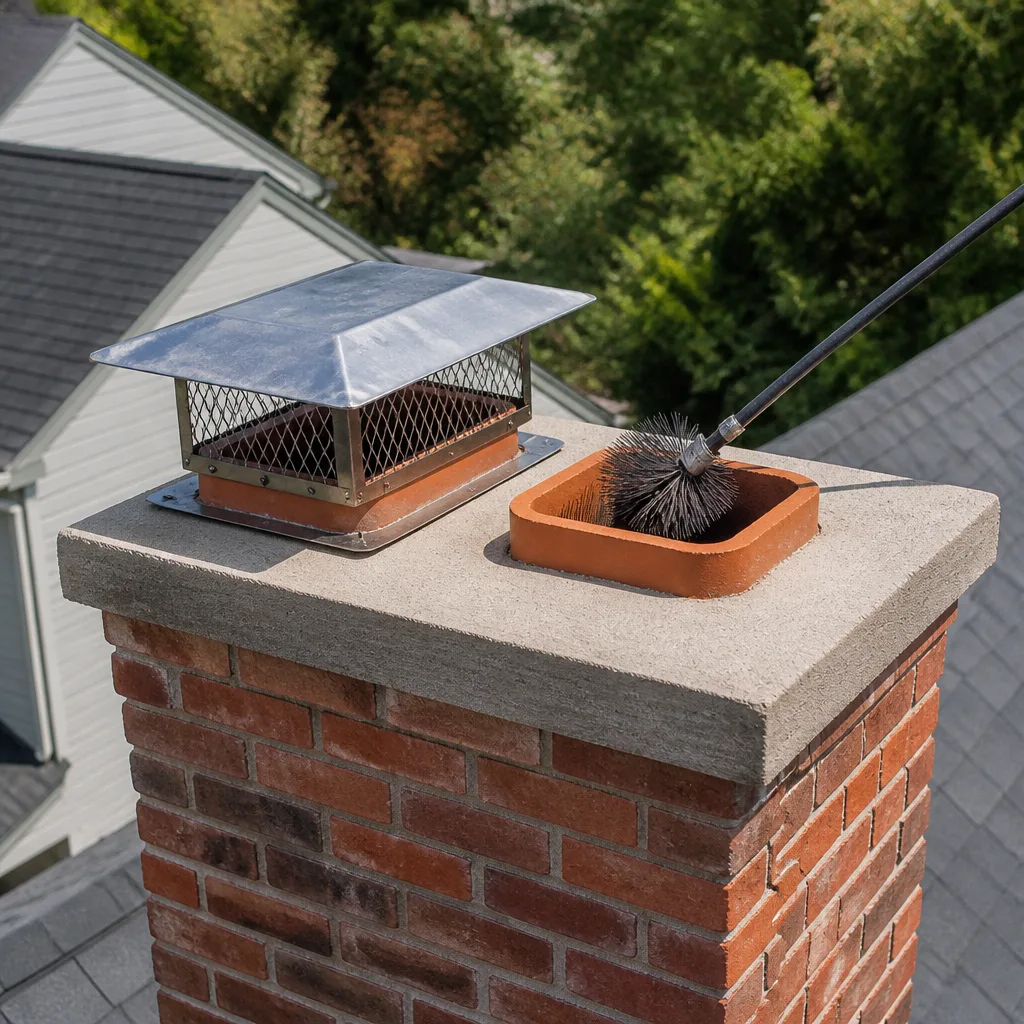 Sweep & inspection
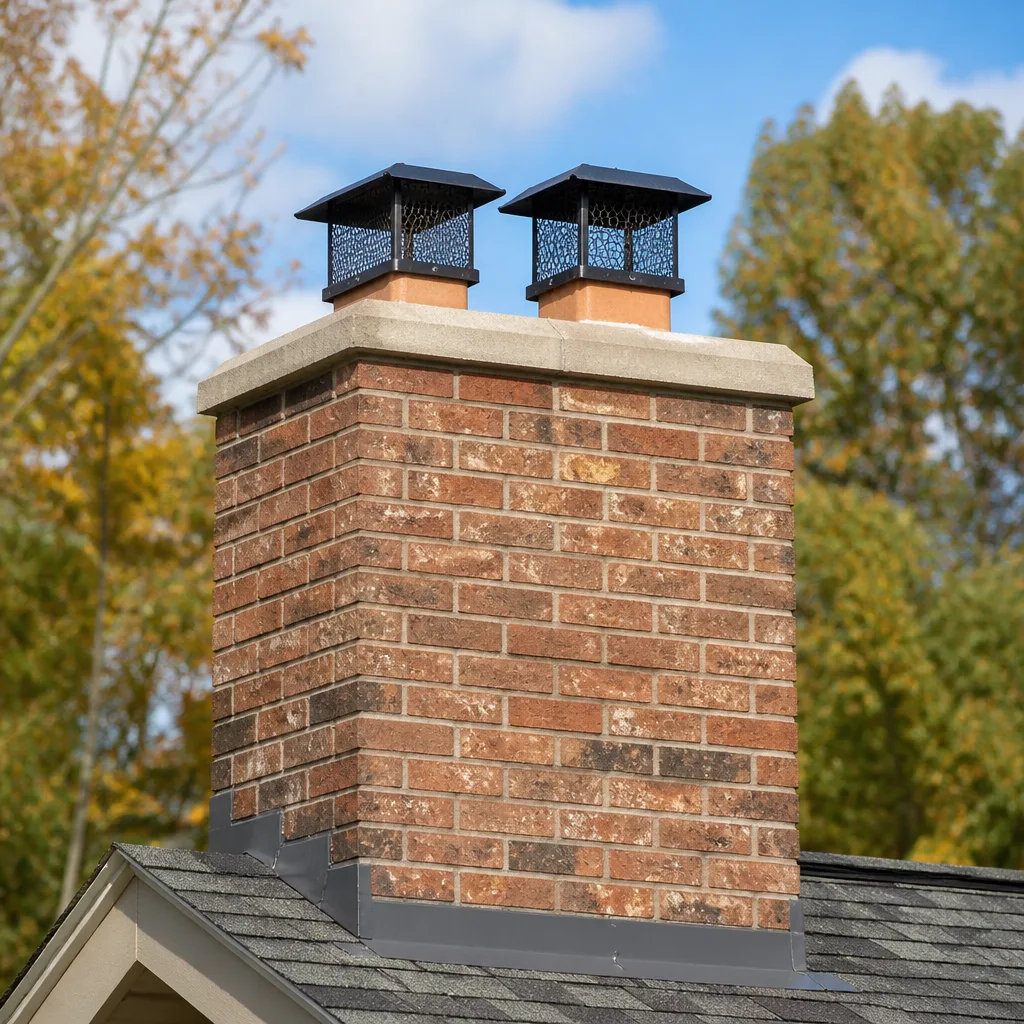 Caps & crowns
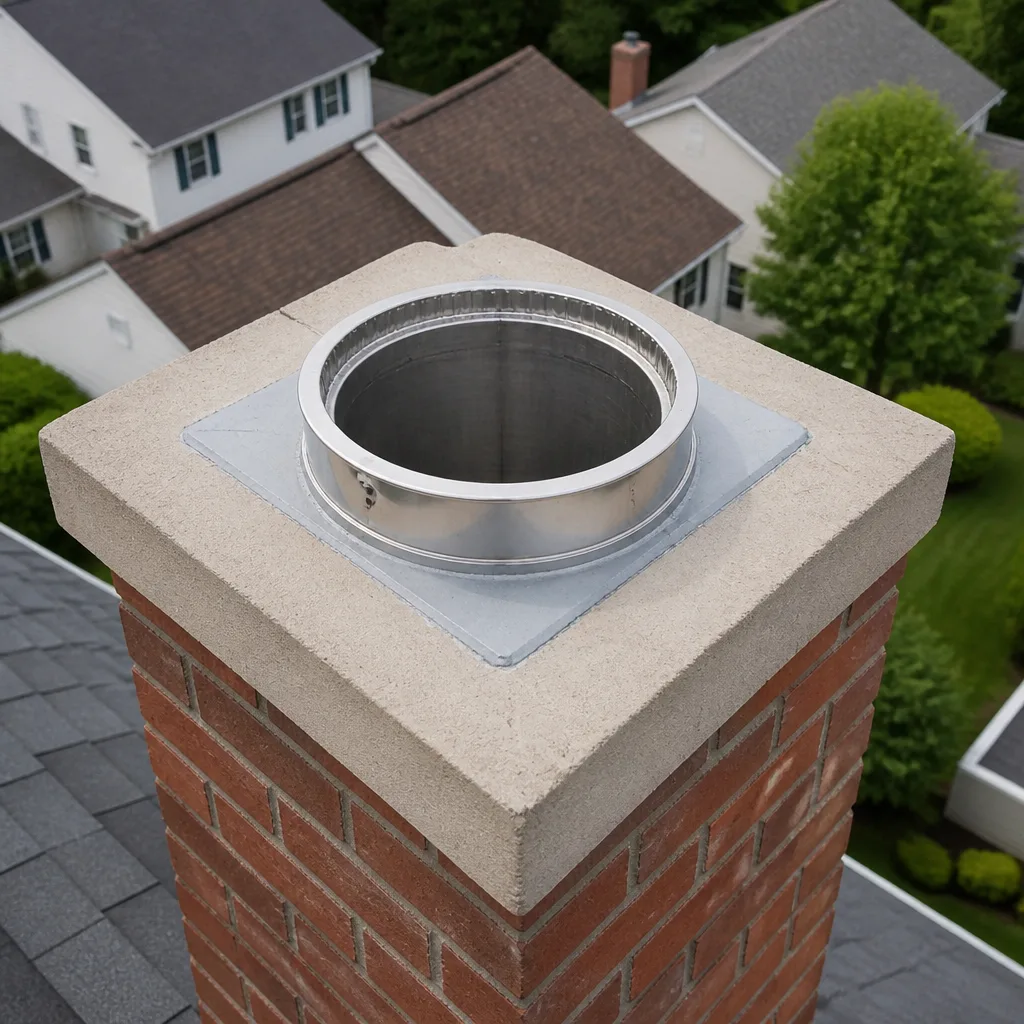 Flue relining
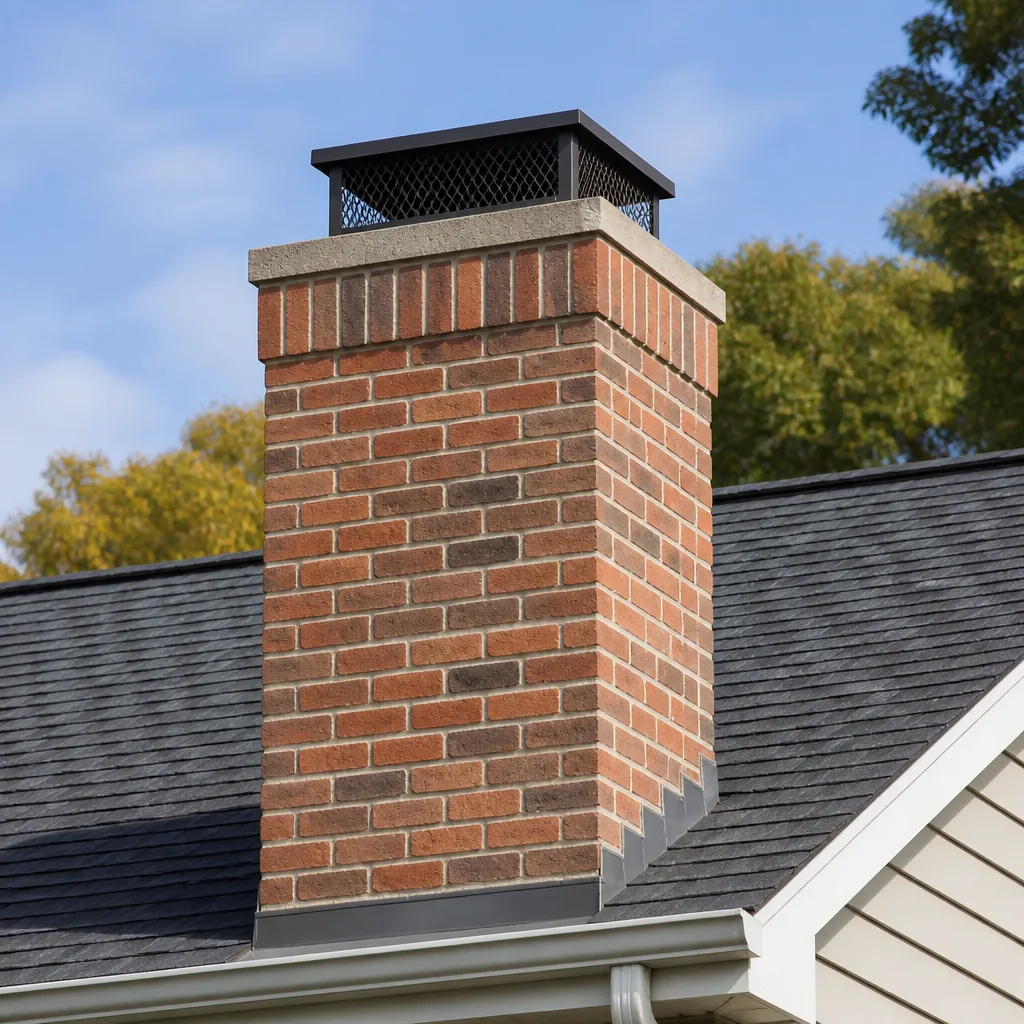 Masonry repair
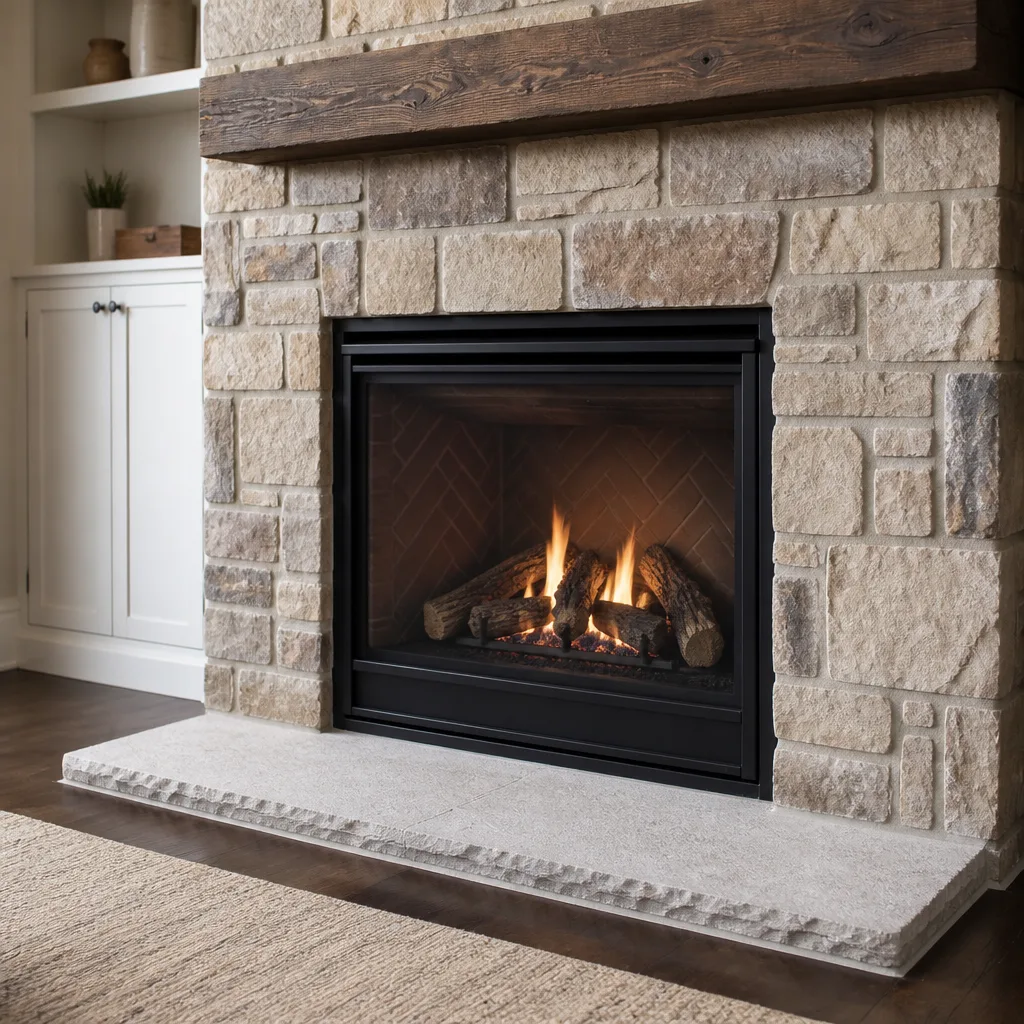 Gas fireplace service
Level 1 sweep and inspection to the NFPA 211 annual standard - flue, crown, cap, and flashing checked and photographed
Chimney sweep logs do not sweep chimneys. They loosen some creosote - which then falls where a brush and vacuum still have to collect it.
How to Hire a Chimney Cleaning Contractor in Clear Lake: A Step-by-Step Guide
Most homeowners in Clear Lake walk into this hiring decision believing that a certification badge settles everything. It helps, but it’s the starting line, not the finish. A technician can hold a valid credential and still run a brush through a flue without ever looking at the damper, the smoke chamber, or how the draft behaves when the fireplace is actually in use. The difference between a sweep who cleans your chimney and one who understands it shows up the moment you ask a diagnostic question and listen for the answer. This guide walks you through the credential hierarchy, the five questions that separate specialists from generalists, what a real written estimate looks like, and how to verify the work before the technician leaves your driveway.
Quick Answer
To hire a chimney cleaning contractor in Clear Lake, confirm three things in order: current certification from the Chimney Safety Institute of America (CSIA), specific chimney-and-fireplace experience rather than general handyman work, and a written estimate that lists exactly what will be cleaned and inspected before any work begins. Then ask about flue construction, damper operation, and draft behavior. How the contractor answers tells you more than the badge alone.
Styles & brands we work with
- Sweep & inspection
- Caps & crowns
- Flue relining
- Masonry repair
- Gas fireplace service
Table of Contents
- The Three Credentials That Actually Matter
- Five Diagnostic Questions to Ask Before Booking
- What a Legitimate Written Estimate Includes
- Houston-Area Red Flags to Watch For
- How to Verify the Work Before They Leave
- What a Proper Sweep Actually Involves
- The Repair Gap: Why Sweep-Only Contractors Cost You Twice
- Common Mistakes to Avoid
The Three Credentials That Actually Matter
Chimney work in Texas isn’t licensed at the state level the way electrical or plumbing work is, so credentials fall into a mix of national certification and standard business insurance. That makes verification your job, and the good news is that all three categories are easy to check if you know where to look.
Here’s what each one tells you and where to confirm it:
- CSIA (Chimney Safety Institute of America). The baseline industry credential for sweeps and inspectors. You can search the CSIA directory by name or ZIP code. If a contractor claims certification and doesn’t appear, that’s the moment to walk away.
- NFI (National Fireplace Institute). A separate certification that focuses on fireplace and venting systems rather than just sweeping. Not every sweep holds one, and it’s not mandatory – but for a wood-burning or gas fireplace, a technician who’s earned an NFI credential has studied how your appliance and its venting actually work together, not just how to clear creosote.
- Texas liability insurance. Texas doesn’t require chimney sweeps to carry a state license, but any contractor working on your property should carry general liability insurance. Ask for a certificate of insurance and confirm the policy covers chimney or fireplace work. Don’t take a verbal yes.
One more thing that matters locally: Clear Lake homes are built for a mild-winter climate, which means chimneys here often sit unused for months and then get worked hard for a short stretch. A contractor familiar with that cycle knows what to look for in a chimney that’s been dormant – and how to inspect for animal activity, moisture, or loose masonry that a general handyman might miss.
Five Diagnostic Questions to Ask Before Booking
Certification proves someone passed a test. These questions prove they think in terms of flue systems rather than brushes. Ask them on the phone before you commit to an appointment, and pay attention to whether the answer is specific or deflected.
- “How will you handle my damper during the cleaning?” A knowledgeable sweep will tell you they inspect it, confirm it opens and closes freely, and keep it closed or sealed to control dust during the sweep – depending on the chimney design. A vague answer like “we’ll take care of it” is a signal.
- “What happens to draft if my flue is too large for the firebox?” This is the question most people don’t know to ask. A flue that’s oversized for the fireplace opening loses draft, which means smoke rolls out instead of up. A real specialist will explain sizing and mention that this is one of the most common causes of a smoking fireplace in Clear Lake homes.
- “How do you keep debris out of my living room?” Expect specifics: drop cloths, HEPA vacuum, sealed work area. A contractor who can’t describe their dust-control method doesn’t have one.
- “Can you inspect what you can’t see, and how?” The answer should mention a camera. Not every sweep includes a video inspection in a standard cleaning, but a specialist should offer it as a documented add-on and explain what it reveals – cracked tiles, gaps in the smoke chamber, liner damage.
- “What’s your procedure if you find a problem during the sweep?” The best answer: they stop, document it with photos, and walk you through it before recommending anything. The worst answer: they quote a big repair on the spot with no documentation.
In our experience, the way a contractor handles question two – the draft question – is the single clearest tell. It separates the specialist who understands flue systems from the operator who runs a brush and moves to the next house.
What a Legitimate Written Estimate Includes
A written estimate is your protection against scope creep. Before you book a chimney sweep, ask for the estimate in writing, and read it for these elements:
- Scope, spelled out. Exactly what gets cleaned – firebox, smoke chamber, flue, damper – and what doesn’t. “Standard sweep” as the only description leaves the door open for add-ons.
- Inspection level. Is the inspection included or separate? A Level 1 inspection covers what’s visible without tools; Level 2 adds a camera and gets documented. Know which you’re getting.
- Any repair work as a separate line item. Cleaning and repair should be quoted separately. If the estimate bundles them, ask why.
- Documentation. Does the price include photos of the flue? A written condition report? These matter if you’re selling a home or filing an insurance claim.
- A defined price, not an hourly rate. Chimney work is priced per job, not by the hour. An hourly rate estimate means the price goes up if the job takes longer, which leaves you exposed.
One more element: a capped total or a “no work beyond this price without written approval” clause. Any contractor who won’t put that in writing is telling you something.
Houston-Area Red Flags to Watch For
The Houston-area market has its own patterns. These are the ones we see most often:
- Door-to-door “free inspections.” A stranger at your door offering a free chimney inspection is selling a repair, not a service. Legitimate contractors don’t need to cold-knock for work.
- Vague “cleaning plus inspection” bundles. If the package price is suspiciously low, the inspection is usually the upsell hook. Ask what the inspection actually includes before you agree.
- Repair quotes with no photos. Any recommendation for liner or masonry work should come with camera imagery you can see for yourself. No photos means no evidence means no decision.
- Same-day pressure. “We can do the repair today if you approve now” is a sales tactic, not a service. Legitimate repair work can nearly always wait until you’ve reviewed the documentation.
- No verifiable certification. If the CSIA directory doesn’t confirm the technician, the credential doesn’t count. Period.
- General handymen advertising chimney work. The trade requires specific training and equipment. A generalist who “also does chimneys” is a generalist.
How to Verify the Work Before They Leave
The technician has packed up and is walking toward the door. This is your window. Two minutes now saves months of wondering later. Ask for a walk-through, and check these five things with your own eyes:
- Look up the flue with a flashlight. Ask the technician to shine a light up the flue so you can see the walls. They should be clean of creosote and visible soot. If the technician dodges this request, that’s your answer.
- Open and close the damper yourself. It should move freely through its full range. If it sticks or won’t seal, ask why.
- Check the firebox for leftover debris. A proper sweep leaves the firebox clean. If ash or soot remains, ask for a re-clean before payment.
- Ask for the inspection photos. If a camera inspection was part of the service, review the images with the technician on-site. Point at anything you don’t understand and ask them to explain it.
- Get the written summary. Any findings – even clear ones – should be summarized in writing. That document is your baseline for next year’s comparison.
If any of the five steps reveals a gap, address it before you sign off. A reputable contractor will fix it without argument. For deeper structural findings like a damaged crown or missing cap, you’ll want the chimney cap & crown conversation to happen with the same team that inspected.
What a Proper Sweep Actually Involves
A chimney sweep isn’t a quick brush-and-go. What happens in a competent sweep is a sequence with defined steps. Knowing it lets you tell the difference between a real sweep and a rushed one.
- Setup and protection. Drop cloths or plastic sheeting cover the hearth and surrounding floor. The technician seals the fireplace opening as much as the design allows and connects a HEPA vacuum to control dust.
- Pre-sweep inspection. The technician checks the damper, firebox, and visible flue before cleaning. Any signs of heavy creosote, blockage, or animal nesting get noted.
- Sweep. A brush is run through the flue from the top (roof access) or bottom depending on the chimney’s design. The technician dislodges creosote and soot from the flue walls, smoke chamber, and smoke shelf.
- Debris removal. All loosened material is removed from the firebox. The firebox and damper are wiped clean.
- Post-sweep check. The technician re-inspects what was cleaned, checks that the damper operates properly, and notes any issues requiring follow-up.
- Walk-through and documentation. You get the walk-through described above, plus a written summary of findings.
Our technicians have up to 15 years of experience, and the pattern that repeats across that time is simple: the sweep itself takes less time than the inspection and the walk-through. If your technician is in and out in fifteen minutes with no walk-through, the job wasn’t done.
The Repair Gap: Why Sweep-Only Contractors Cost You Twice
Sweep-only contractors are a common source of frustration here. They clean the flue, flag a problem, and hand you a referral to a repair company you’ve never heard of. Now you’re managing two contractors, two schedules, and two estimates – and the repair team may see the problem differently than the sweeper described it.
Full-lifecycle coverage solves that by keeping inspection, cleaning, and repair with the same group that already knows your chimney. That matters most for three specific kinds of work:
- Liner work. A damaged liner is a safety issue, and replacement requires a properly sized, correctly installed system. The kind of work we do specifies industry-recognized product lines by name – DuraFlex liner systems among them – so the materials in your chimney aren’t anonymous.
- Resurfacing. HeatShield is a resurfacing system that restores flue integrity without a full rebuild. It’s a repair-tier solution most sweep-only contractors can’t offer, and it’s exactly the kind of option that gets lost when a problem is handed off to a stranger.
- Caps and crowns. A missing or damaged cap lets water and wildlife into the flue. A crown in poor condition lets moisture work into the masonry. Both are straightforward repairs for a specialist team and large problems if left alone.
Before winter, know exactly what’s happening inside your chimney. Get the inspection, see the photos, and decide on repairs with full information.
Common Mistakes to Avoid
- Hiring on price alone. The lowest quote in Clear Lake is almost always a basic brush-and-go with no inspection. You’ll pay for the inspection later, often at a higher rate, when the problem it would have caught gets larger.
- Skipping the CSIA directory check. A verbal claim isn’t verification. The directory search takes thirty seconds and tells you everything.
- Accepting a “cleaning plus inspection” bundle without asking what the inspection covers. Buffered packages hide unscoped inspection work. Ask for the written line items.
- Approving repairs without photos. You can’t verify what you can’t see. Require camera evidence for any liner or masonry recommendation.
- Not checking the damper afterward. A damper that’s seized open during cleaning and left that way is a draft and heat-loss problem you’ll notice in winter. Verify it moves.
- Skipping the sweep because “the chimney was just cleaned.” If the house is new to you or the fireplace was burning heavily last year, you don’t actually know when it was last done properly. A documented baseline matters.
- Ignoring the annual inspection cycle. A cleaning without an inspection is a cleaning with the lights off. Insist on both.
When to Call a Professional
Some chimney issues are maintenance. Others need a trained eye. Call a professional if you notice any of the following: smoke rolling into the room when the fireplace is lit, a strong creosote or soot smell with no fire burning, visible crumbling mortar or loose bricks on the chimney exterior, water staining on the firebox or ceiling near the chimney, a damper that won’t open or seal, animals or nesting material in the flue, or a chimney that hasn’t been inspected in more than a year. And call before winter, not during it – the Clear Lake shoulder season is the right window for inspection, cleaning, and any fireplace repair. Chimney Sweep Clear Lake offers free estimates in Clear Lake – call (855) 726-7805. We answer 24/7. Fast dispatch from 7am to 7pm, Sunday through Friday.
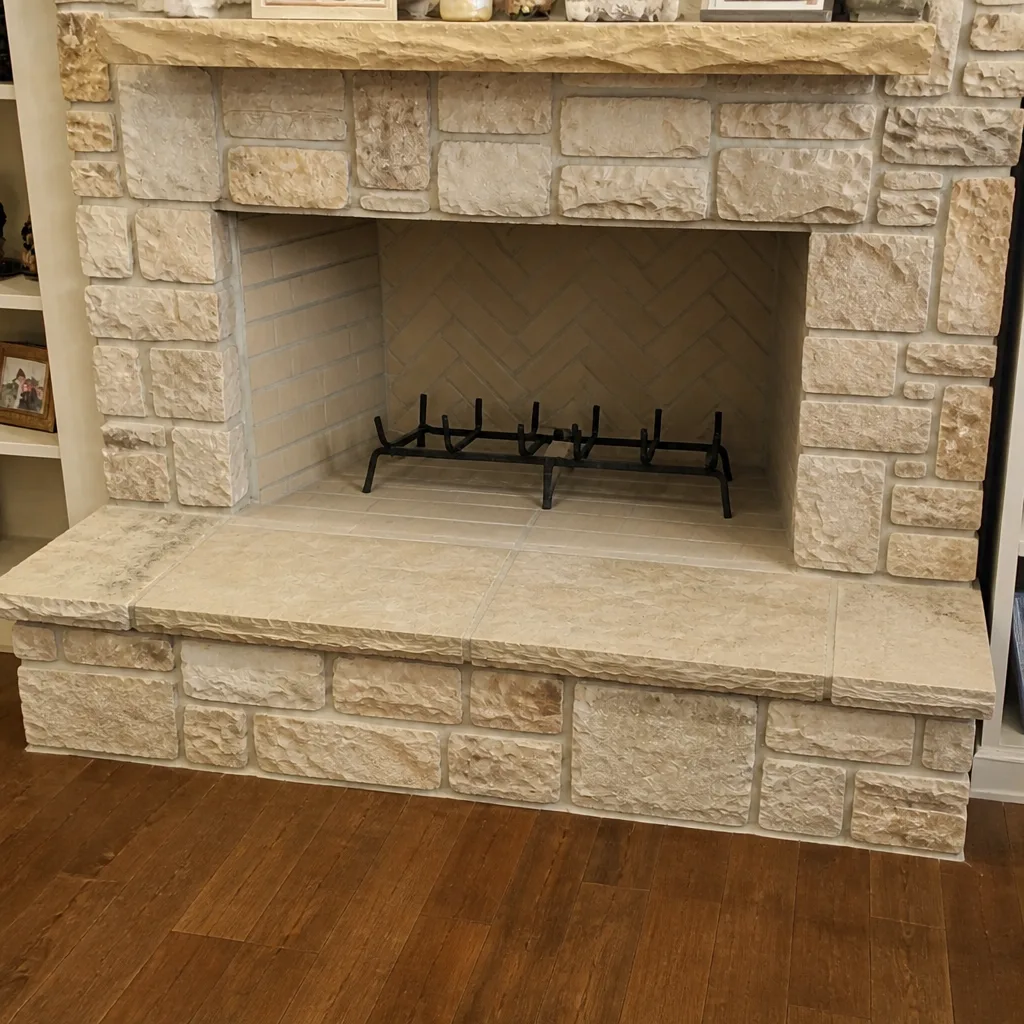
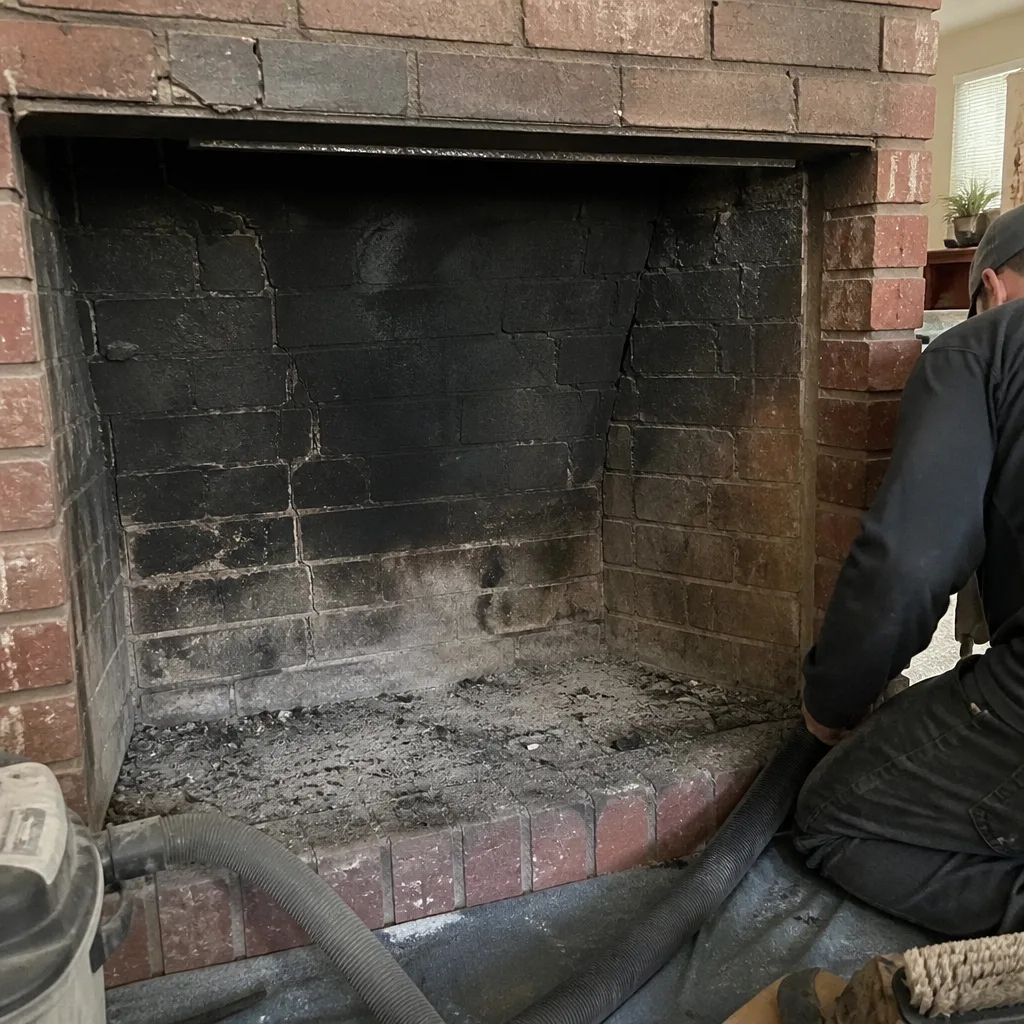
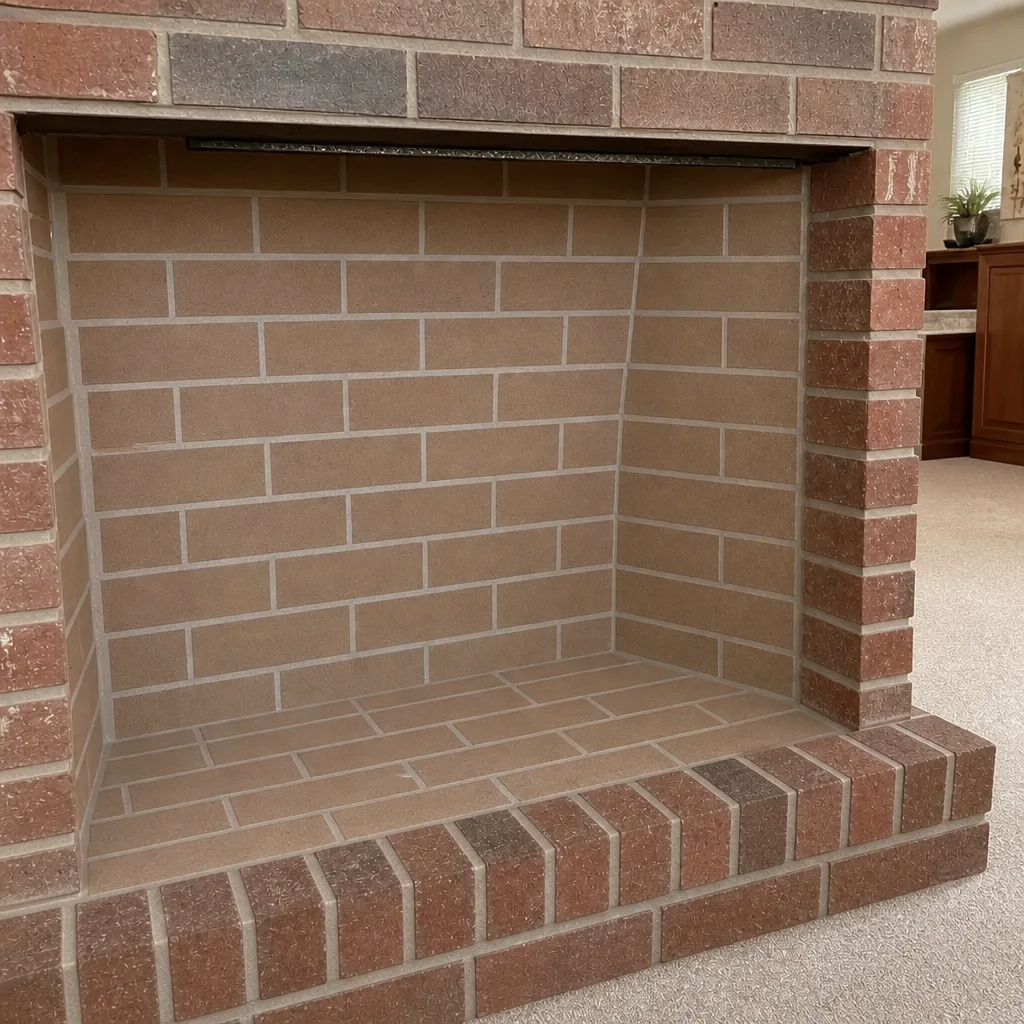
See the difference
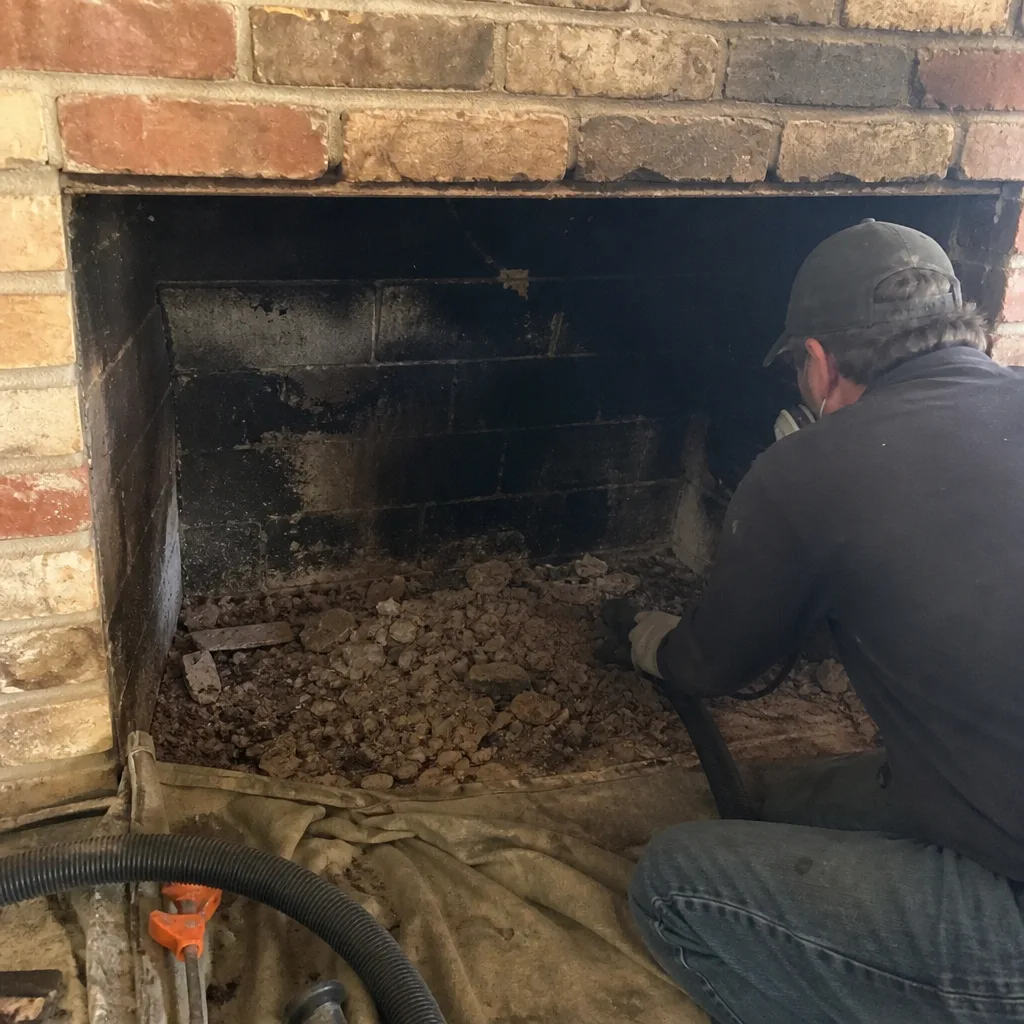 Before
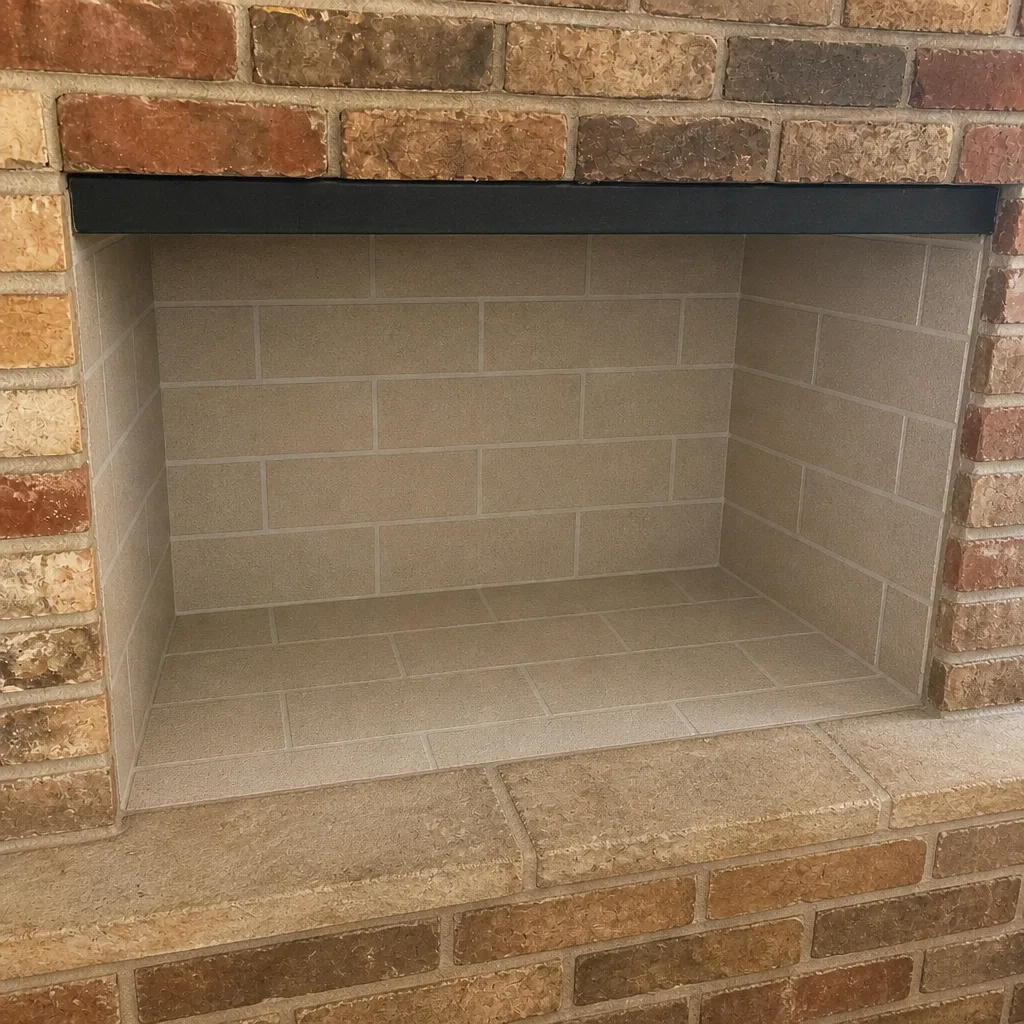 After
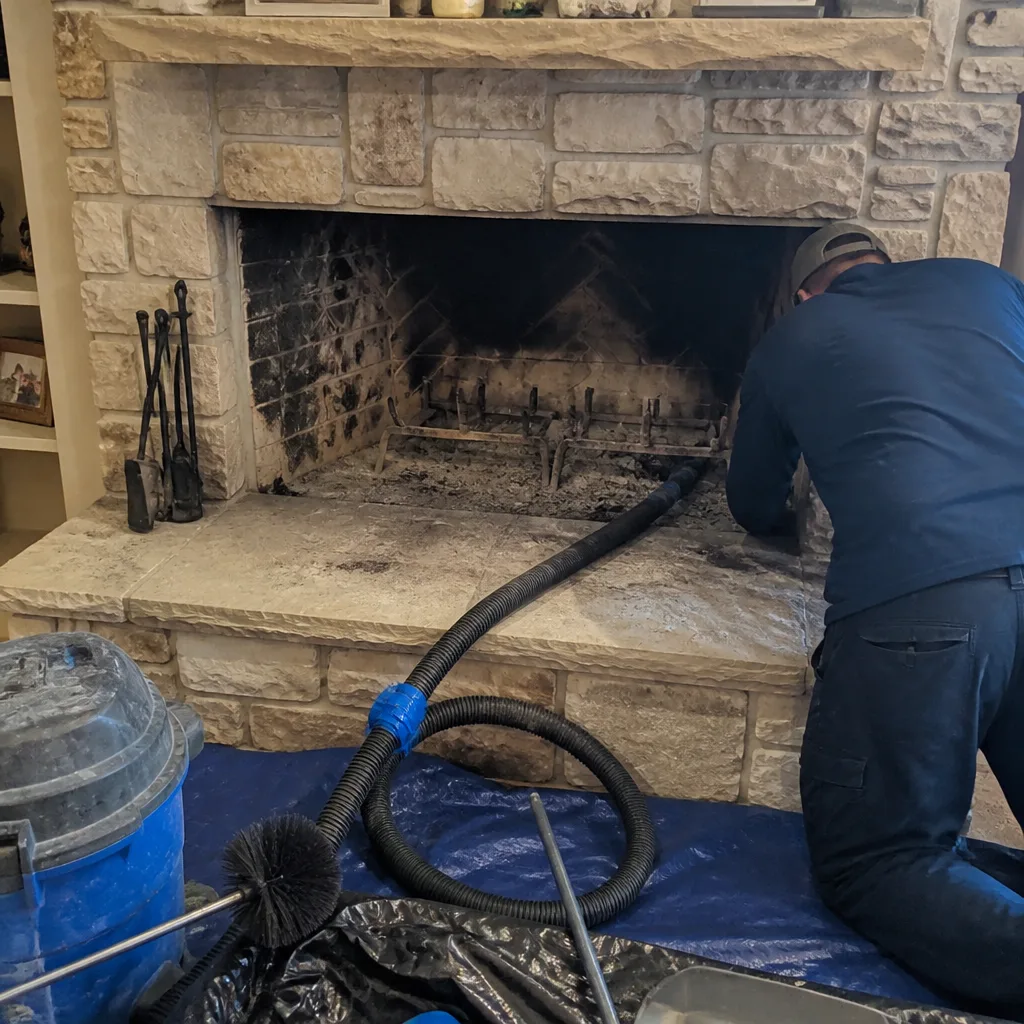 Before
 After
 Before
 After
Frequently Asked Questions
A standard chimney sweep in Clear Lake typically falls in the range most homeowners budget for a professional cleaning and basic inspection, and the written estimate sets the final price. Call (855) 726-7805 for an exact quote – estimates are free.
Yes – CSIA certification is the minimum credential for a sweep you should trust with your chimney. But treat it as the floor, not the ceiling. The questions in this guide are how you tell a certified specialist from a certified technician who’s just running a brush.
A Level 1 inspection covers what’s visible without special tools and is standard for a routine sweep. A Level 2 inspection adds a camera and documented findings, and is what you want before a real estate transaction, after a chimney fire, or if you’re noticing performance problems. Ask which one is in your estimate.
Yes – the walk-through and documentation step requires you. Be home so you can look up the flue, verify the damper, review the inspection photos, and get the written summary before the technician leaves.
Once a year for a wood-burning fireplace that gets regular use, or more often if you burn heavily or notice smoke or smell issues. Gas fireplaces need an annual inspection too, even though they don’t produce creosote the way wood does. Call (855) 726-7805 to book the annual visit.
Creosote builds up on the flue walls, and heavy creosote is the fuel a chimney fire needs. Blockages can also push carbon monoxide back into the home instead of up the flue. Call (855) 726-7805 before the season starts – estimates are free.
The Bottom Line
Hiring a chimney contractor in Clear Lake comes down to more than verifying a badge. Confirm CSIA certification and Texas insurance, ask the five diagnostic questions, demand a written estimate with clear scope, and walk through the work before the technician leaves. Look for a contractor who handles inspection, cleaning, and repair under one roof – so a flagged problem doesn’t become a second contractor and a second estimate. Our technicians have up to 15 years of experience, and we specify materials by name because what goes into your chimney matters. A clean flue is the first step; a sound one is the goal.
Contact
Ready to book a sweep, an inspection, or a documented repair estimate in Clear Lake? Start with Chimney Sweep Clear Lake and we’ll walk you through the full condition of your chimney before anything is recommended. Call (855) 726-7805 for a free estimate. We answer 24/7. Fast dispatch from 7am to 7pm, Sunday through Friday.
Written by the team at Chimney Sweep Clear Lake.