
Last updated November 24, 2026
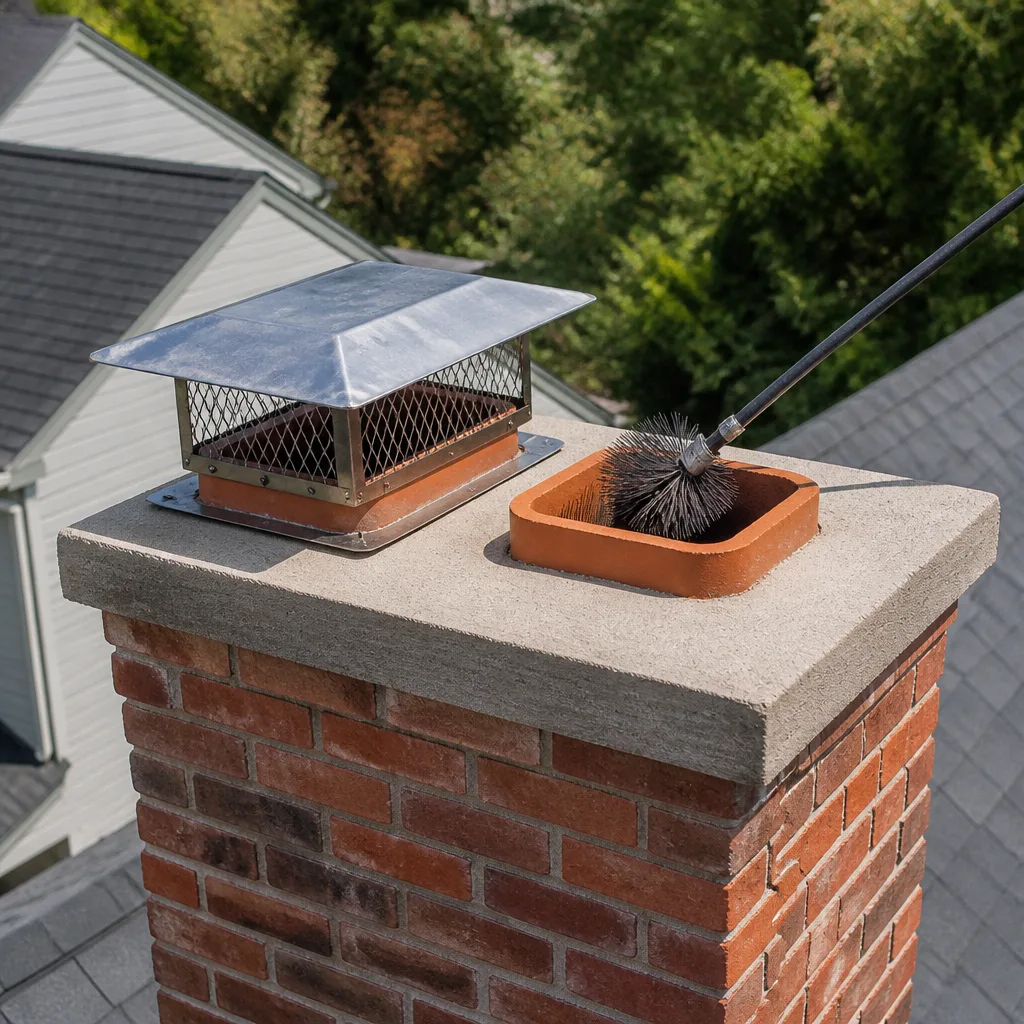 Sweep & inspection
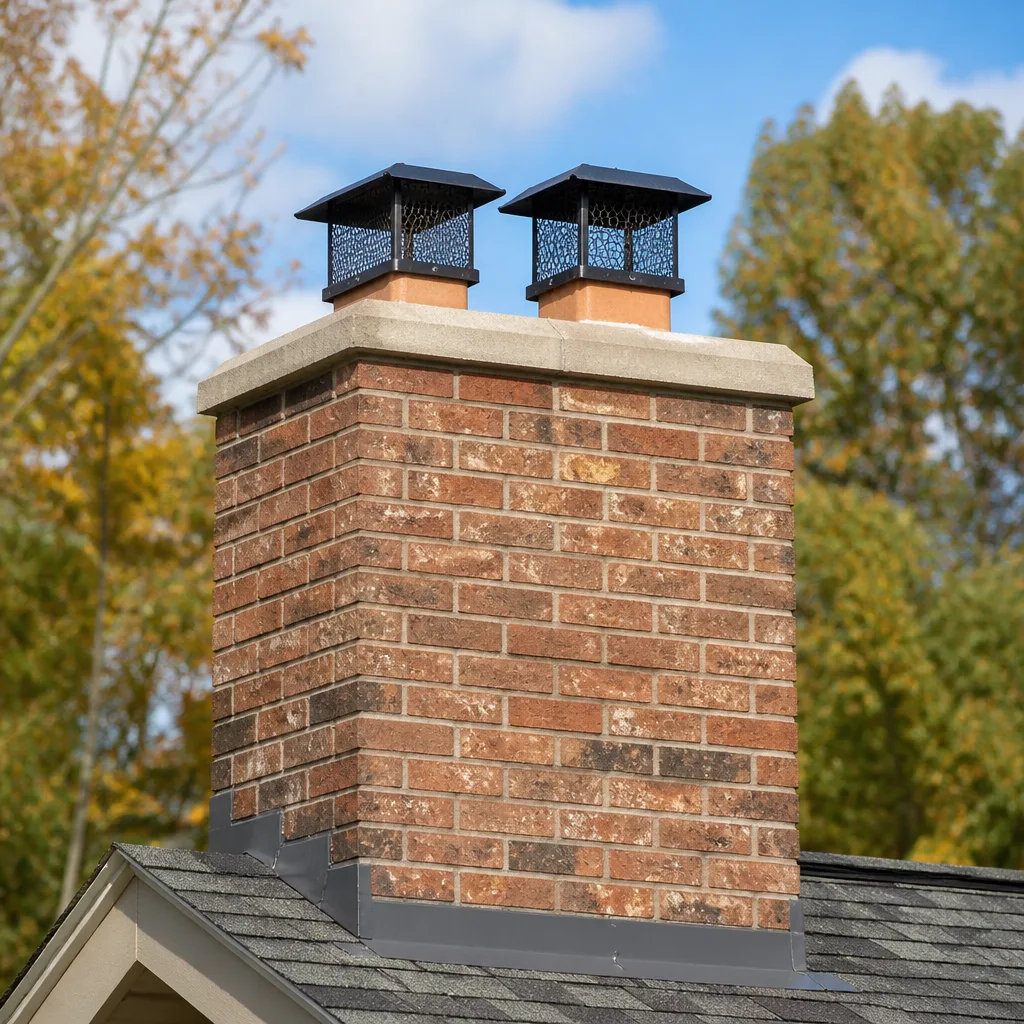 Caps & crowns
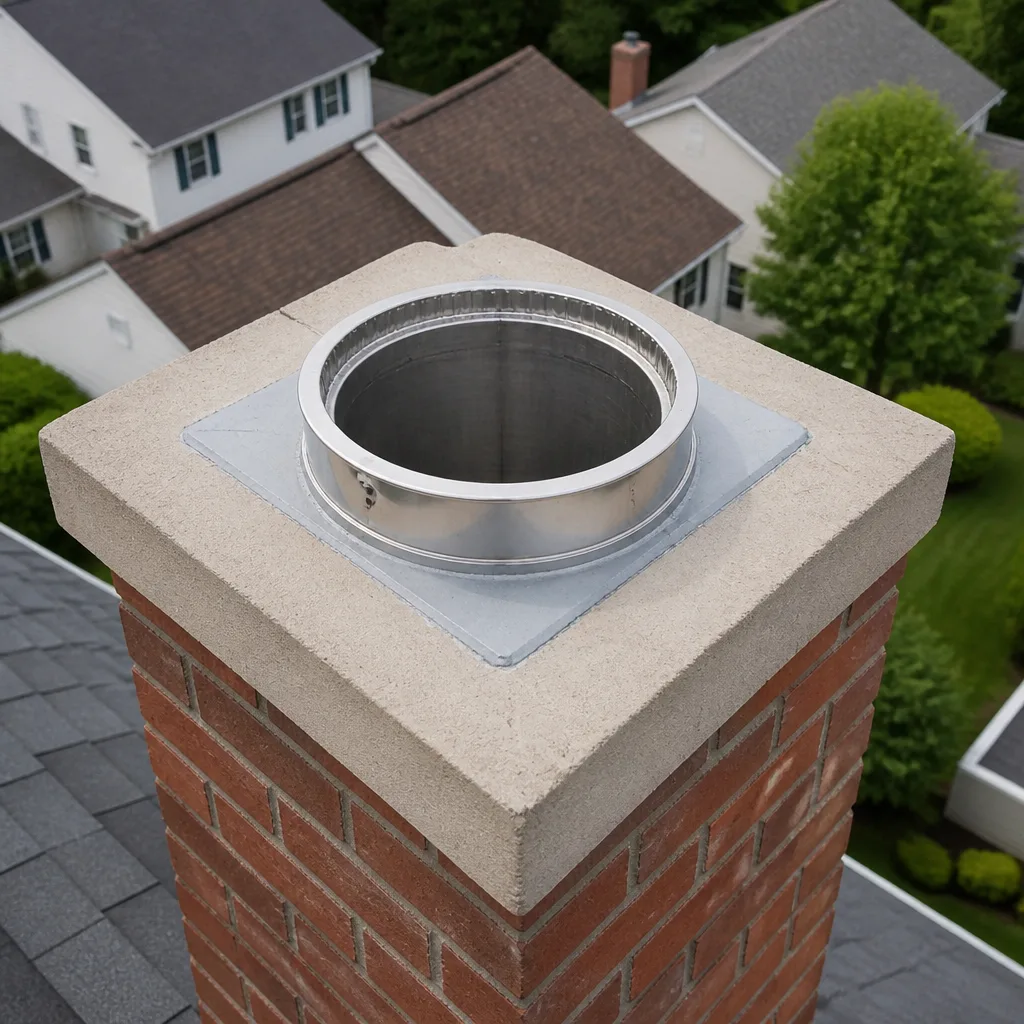 Flue relining
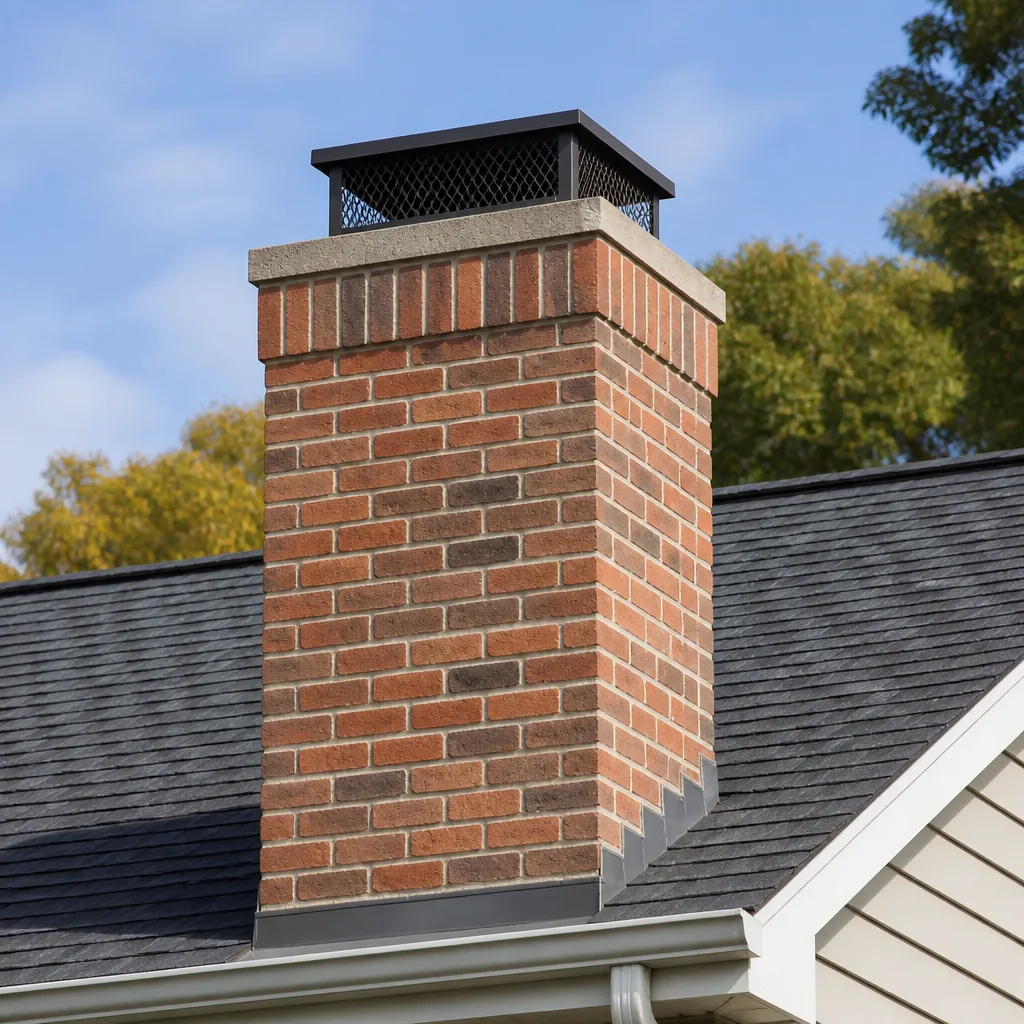 Masonry repair
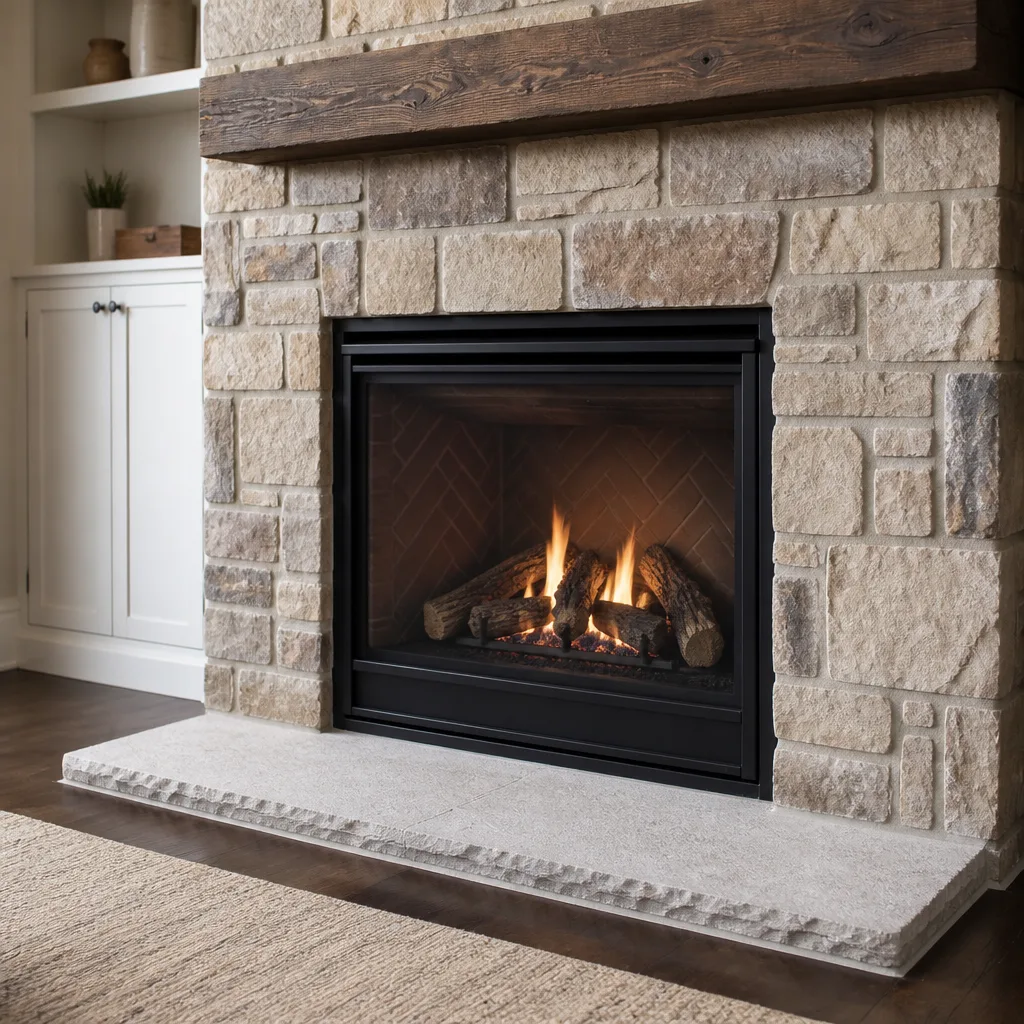 Gas fireplace service
Level 1 sweep and inspection to the NFPA 211 annual standard - flue, crown, cap, and flashing checked and photographed
Chimney sweep logs do not sweep chimneys. They loosen some creosote - which then falls where a brush and vacuum still have to collect it.
Chimney Cleaning Emergency Preparedness Guide for Clear Lake Homes
Most homeowners treat a chimney emergency as a fire event: flames, sirens, a ladder truck. In Clear Lake the more common emergencies look nothing like that. After Hurricane Beryl moved through the Houston area in 2024, chimney caps and crowns were among the most common casualty items on roofs. Homeowners who lit fires before having them inspected were lighting them into rain-saturated, partially obstructed flues. A storm can turn a working chimney into a smoke-filled room or a silent carbon monoxide source with no flame at all. This guide covers how to recognize each failure, what to do first, how to document damage for an insurer, and how to decide what can wait until the next scheduled sweep.
Quick Answer
A chimney emergency in Clear Lake is any condition where smoke, carbon monoxide, or fire escapes the flue system: an active chimney fire, a flue blocked by storm debris or a collapsed cap, or sudden draft failure after severe weather. Get people out and call 911 for an active fire. For smoke backdraft or suspected carbon monoxide, stop using the fireplace, ventilate the room, and have the flue inspected before another fire.
Styles & brands we work with
- Sweep & inspection
- Caps & crowns
- Flue relining
- Masonry repair
- Gas fireplace service
Table of Contents
- What Counts as a Chimney Emergency in Clear Lake?
- How Do You Identify an Active Chimney Fire?
- What to Do When Smoke Enters the Living Space
- Carbon Monoxide Risk from Damaged or Blocked Flues
- Post-Storm Chimney Inspection Protocol
- How to Document Chimney Storm Damage for Insurance
- Preparing Your Chimney Before the First Cold Front
- Common Mistakes to Avoid
- When to Call a Professional
- Frequently Asked Questions
What Counts as a Chimney Emergency in Clear Lake?
A chimney emergency is any event that lets fire, smoke, or combustion gases escape the system that’s meant to contain them. In Clear Lake, those events fall into four broad groups, and each calls for a different first response. Treating them all as “call the fire department” wastes time on cases that need ventilation and a shutoff instead. Treating them all as “we’ll schedule a sweep” puts people at risk from cases that need emergency services.
- Active chimney fire. The fire has moved out of the firebox and into the flue. This is a 911 call. See the next section for the signs.
- Storm-driven smoke event. A damaged or displaced cap, a cracked crown, or debris blown into the flue causes smoke to roll back into the room. Fire risk may be low, but the flue is compromised and shouldn’t be used.
- Draft failure. After a hurricane or severe windstorm, a flue can lose its draft because of a shifted cap, a downdraft from a changed roofline, or debris sitting on top of the flue. The fire burns poorly, smoke lingers, and combustion byproducts back up into the house.
- Carbon monoxide event. A blocked or damaged flue that vents a gas appliance, or a wood fire starved of oxygen, can produce CO that never leaves the house. This is the quietest of the four and the one that most often gets misdiagnosed as a headache or a “stuffy room.”
The common thread: none of these is fixed by opening a window and trying again. Each is a signal that something inside the flue system has changed. A trained inspection tells you which one you’re dealing with. Our technicians have up to 15 years of experience reading exactly these conditions, and we’ve learned that homeowners are usually right when they say “it didn’t used to do that.”
How Do You Identify an Active Chimney Fire?
You identify an active chimney fire by sound, smoke, and what comes out of the top of the chimney: a roaring or rumbling noise like a low-flying plane, dense smoke from the chimney, and visible sparks or flames at the crown. You may also hear popping or crackling that doesn’t match the fire in the firebox, or feel unusual heat on the chimney breast or the wall around it.
Chimney fires burn hot and fast, and the danger is that they can spread into the framing around the flue before you notice a problem inside the house. If you see or hear any of the signs above, act immediately using the steps below. These are evacuation and containment steps, not repair instructions.
- Get everyone out of the house. Including pets. Close the firebox doors on your way out if it’s safe to do so, but don’t stop to gather belongings.
- Call 911. Tell the dispatcher you have a chimney fire. Fire departments in the Clear Lake area respond to these and can check the attic and roof for extension.
- Don’t spray water into the flue. Water on a hot flue can crack masonry or damage a liner, and a sudden steam expansion can push fire and smoke back into the room.
- Don’t close the damper. A closed damper traps heat and combustion gases. Leave it open if you can do so without delay.
- Wait for the all-clear before re-entering. Even after the fire is out, the flue needs a professional inspection before it’s used again. A fire can leave cracks in the liner or masonry that aren’t visible from the firebox.
After any active chimney fire, the next step is a full inspection and a chimney sweep to remove the creosote and debris the fire left behind. If the fire damaged the liner, we can assess whether repair or relining is needed and specify a DuraFlex system sized to your flue. A fire always tells you something about the flue’s condition. The inspection is how you find out what.
What to Do When Smoke Enters the Living Space
When smoke enters the living space from a fireplace that was working normally before a storm, the first move is to stop using the fireplace and ventilate the room. Open a nearby window a crack, keep the firebox doors closed, and extinguish the fire if you can do so safely. Then call for an inspection. Smoke coming into the room means the flue has lost its draft, and that doesn’t fix itself when the weather clears.
This is the scenario most Clear Lake homeowners don’t expect. Before Hurricane Beryl, the fireplace drew fine. After the storm, every fire smokes. The causes we find most often are physical changes on the roof or in the flue:
- A chimney cap knocked loose or shifted out of position, so wind blows down the flue instead of across it.
- A cracked or displaced crown that lets water into the masonry and changes the internal pressure of the flue.
- Debris (leaves, twigs, roofing granules, sometimes a bird’s nest) sitting on top of the flue opening and narrowing it.
- A partially collapsed flue tile or a liner joint that opened up in the wind, creating a leak that kills draft.
Each of these can be seen and documented. An inspection with a camera shows you exactly where the draft is going wrong, and we can tell you whether the fix is a cap and crown replacement with a component like an Olympia Chimney or Gelco cap, a flue repair, or a sweep to clear debris. The point is that you shouldn’t diagnose this by trial and error: lighting fire after fire to see if it still smokes puts combustion gases into your home.
Carbon Monoxide Risk from Damaged or Blocked Flues
Carbon monoxide risk from a damaged or debris-blocked flue is real and it can build before any alarm sounds. CO is odorless and colorless, and a partially blocked flue can leak enough of it into a home to cause symptoms without ever setting off a store-bought detector, especially if the detector is on the wrong floor or near an open window. A blocked flue vents less efficiently. A damaged liner lets gases escape into the chimney’s masonry and framing. Either way, combustion gases end up where they shouldn’t be.
Symptoms to watch for, particularly when a fire is burning or a gas appliance is running:
- Headaches that ease when you leave the house and return when you come back.
- Dizziness, nausea, or a general feeling of being “off” that others in the home share.
- Drowsiness or confusion, especially in the evening when the fireplace is in use.
- A stuffy, stale, or slightly smoky smell in a room with no visible smoke.
- Soot streaks or staining around the firebox, the damper, or the top of the chimney.
If anyone in the home has these symptoms, get everyone outside and into fresh air, then call 911 or your local poison control line. Don’t wait for a detector to alarm. Detectors are a backstop, not the first line of defense. The most reliable protection is a chimney that’s been inspected and confirmed to be venting correctly.
Homes with a gas fireplace or a gas log set deserve extra attention here. A gas appliance in a flue that was designed for wood can run into trouble when the flue is oversized or when a storm has changed the flue’s geometry. An inspection can tell you whether the venting is matched to the appliance. We also install and service Famco and Olympia Chimney venting components when a flue needs to be brought back into spec. If you’re not sure whether your flue has been checked since the last major storm, that’s a reason to schedule an inspection before the weather turns cold.
Post-Storm Chimney Inspection Protocol
The post-storm chimney inspection protocol is a sequence of exterior and interior checks performed before the first fire after any named storm or severe weather event. The goal is to confirm the cap, crown, flashing, and flue are all intact and unobstructed. This isn’t a full annual inspection: it’s a targeted check that takes minutes on the roof and a few more inside, and it’s the difference between a safe first fire and a smoky, dangerous one.
- Look at the chimney from the ground. Check for a tilted cap, missing cap, cracked crown, loose bricks, spalling mortar, or a chimney that leans. Note anything that’s changed since the last time you looked.
- Check the flashing at the roofline. Wind-driven rain and debris often work the flashing loose. Missing or lifted flashing lets water into the attic and the chimney chase.
- Shine a light down the flue from the roof. Only if you can do it safely from a stable position. Look for debris, standing water, a shifted liner, or a blocked flue opening. If the roof is wet, steep, or unfamiliar, don’t get on it.
- Open the damper and look up with a flashlight from the firebox. You should see daylight at the top. If you don’t, the flue is blocked somewhere and the fireplace shouldn’t be used until it’s cleared.
- Check the firebox and smoke chamber for new cracks. Fresh cracks in the firebox brick or the smoke shelf are a sign the storm moved something or that heat stress has caught up with the masonry.
- Run a small test fire and watch it. After the visual checks pass, a small kindling fire is a reasonable test. If smoke rolls into the room, if the fire struggles to catch, or if you smell gas or a smoky odor, extinguish it and call for an inspection.
If anything in that list doesn’t check out, don’t light the fire. A cap that’s missing after a storm is a cheap fix; a flue packed with wet leaves and a fire lit into it is not. In our experience, the chimneys that come through a storm with the fewest problems are the ones where the homeowner did this walkthrough within days, not weeks, of the weather clearing. Call (855) 726-7805 if you’d rather have the check done by a technician. We answer 24/7, and a call outside dispatch hours is booked into the next opening, Sunday through Friday, 7am to 7pm.
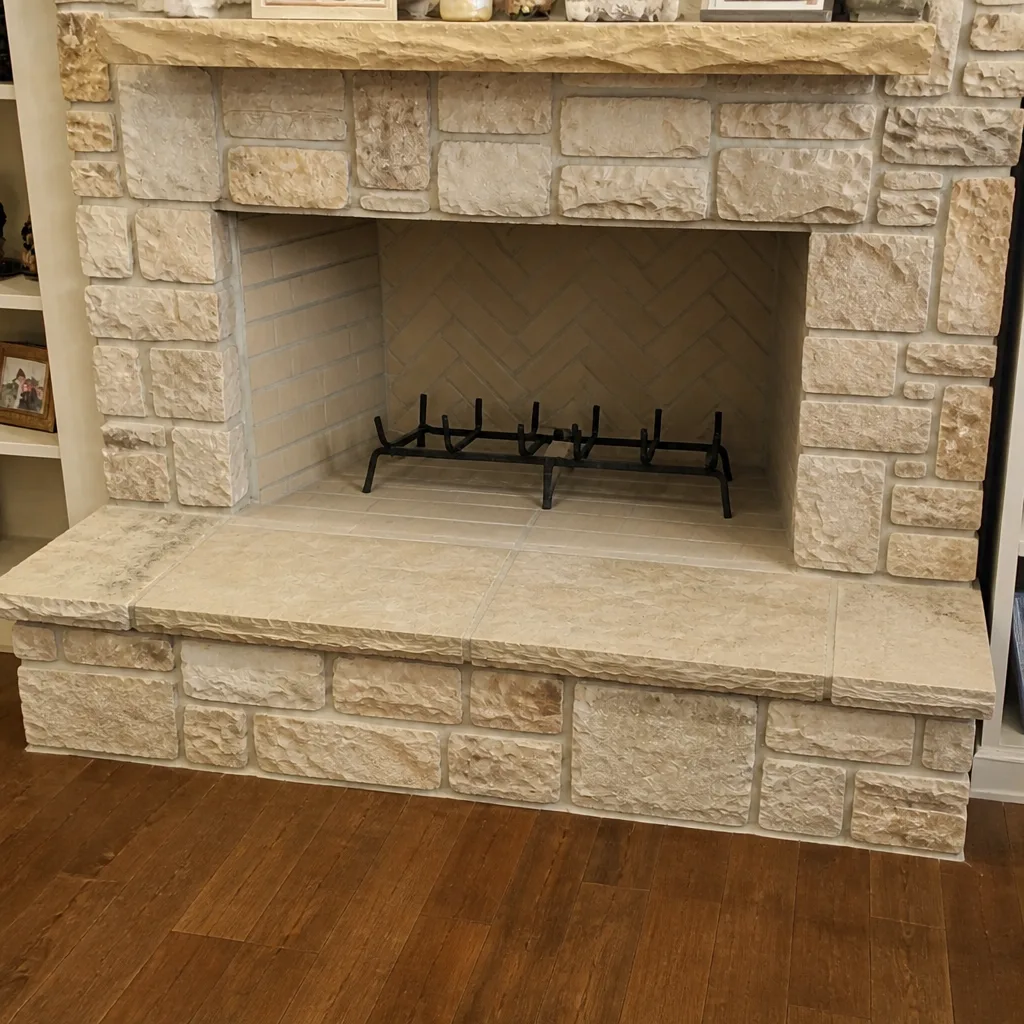
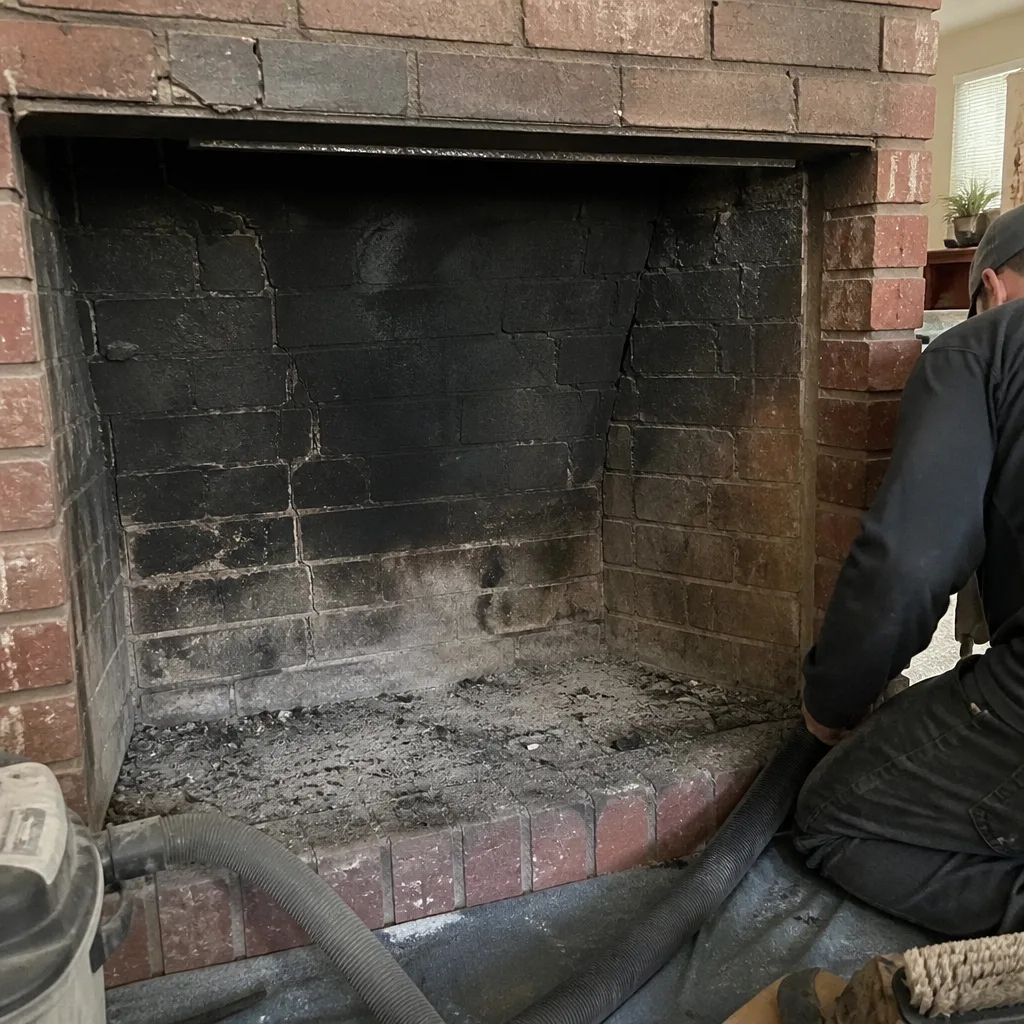
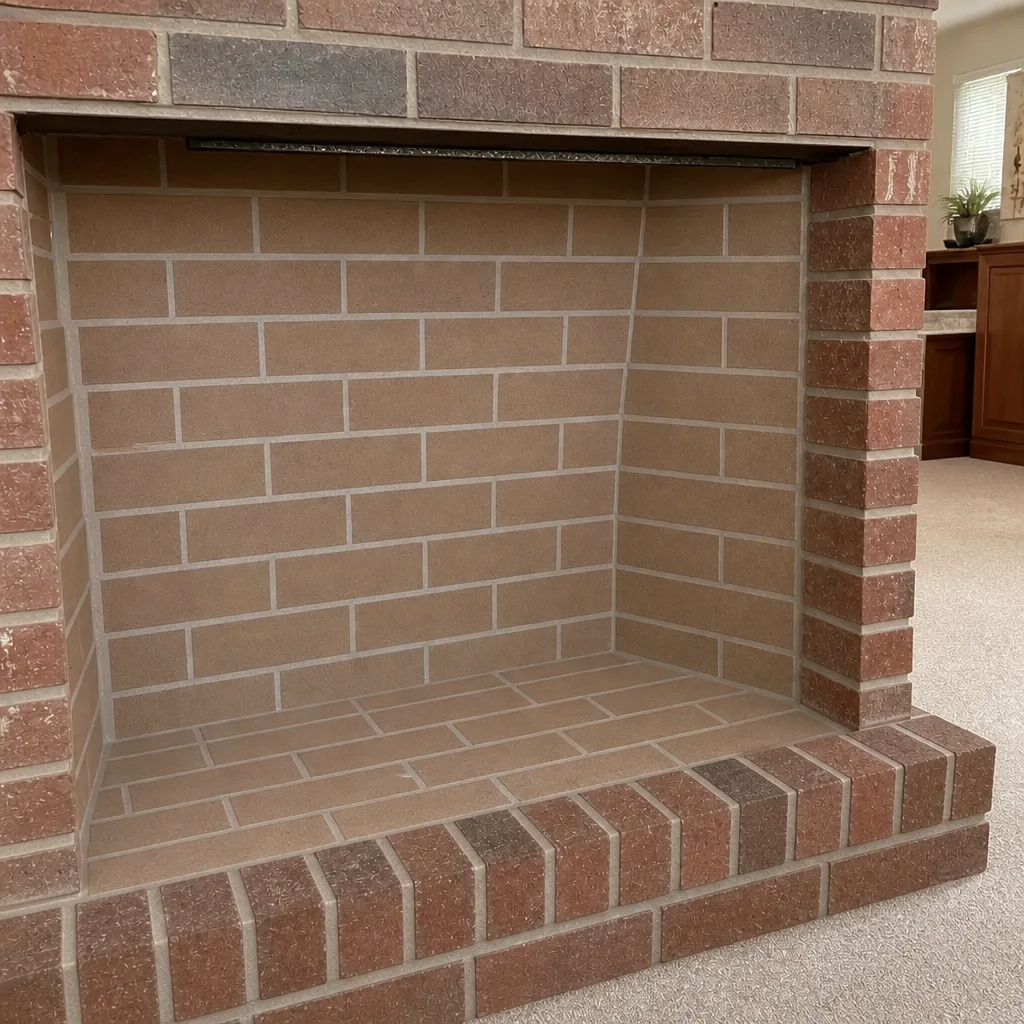
See the difference
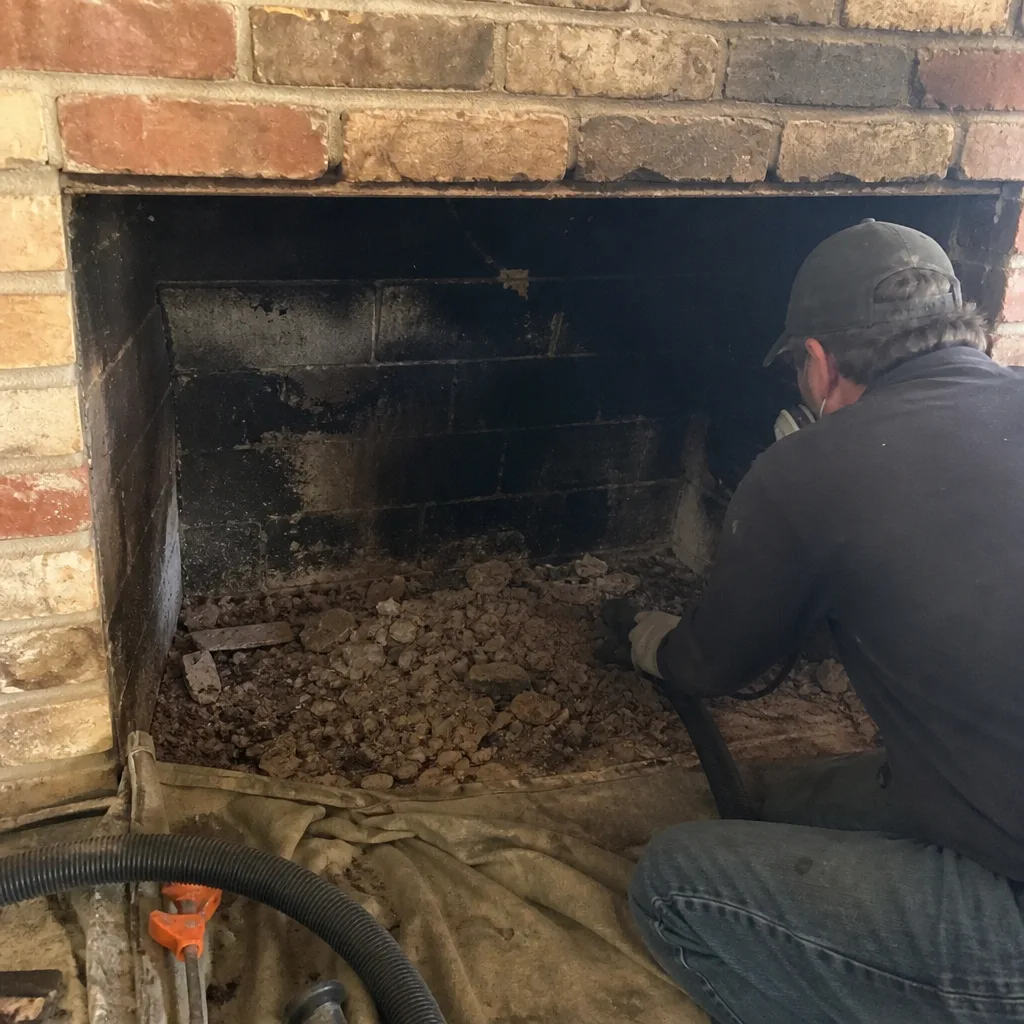 Before
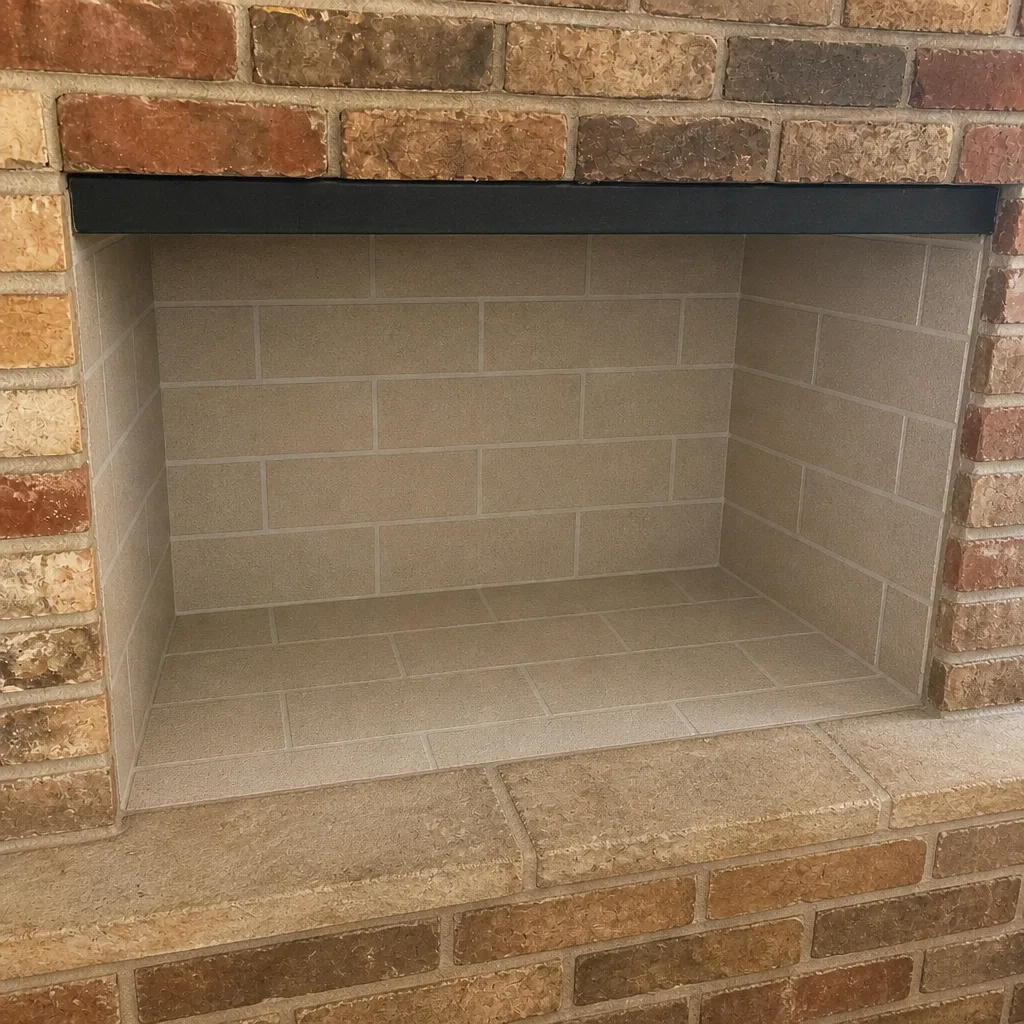 After
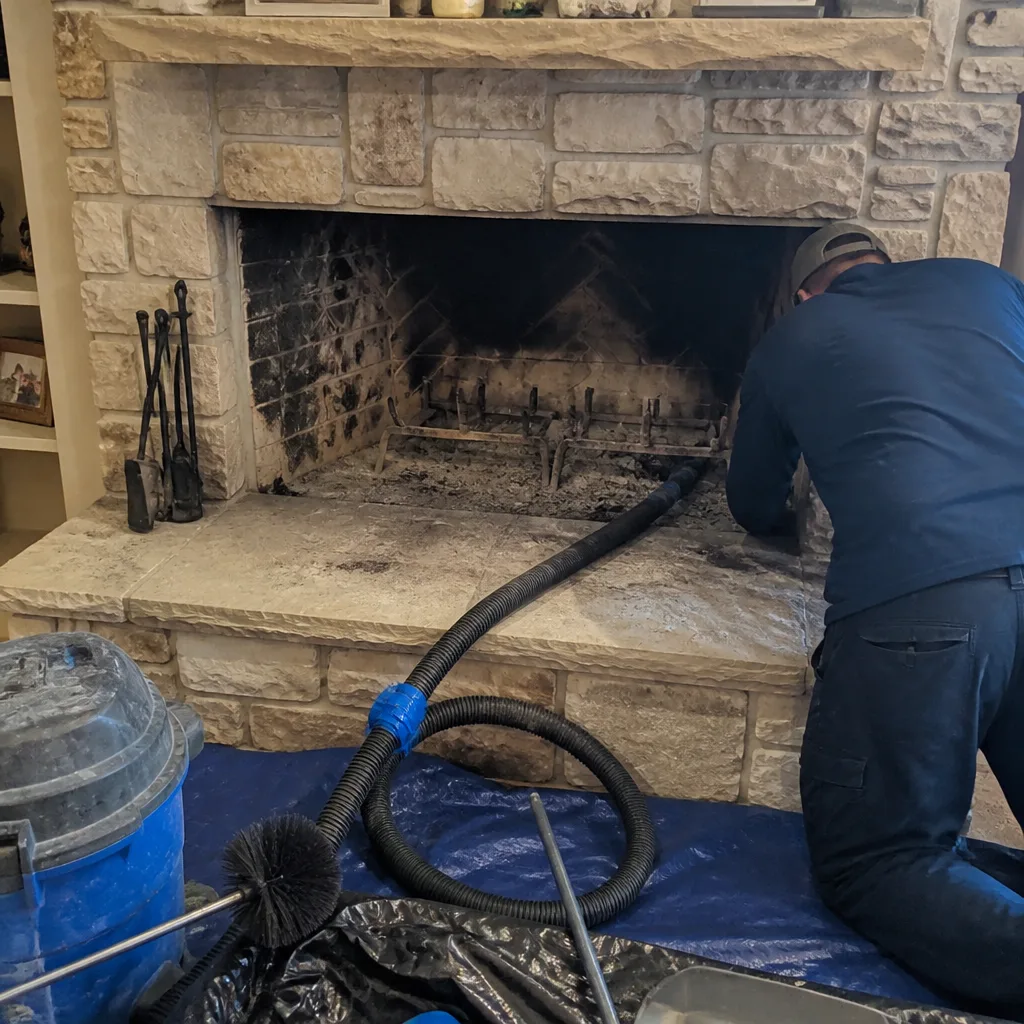 Before
 After
 Before
 After
How to Document Chimney Storm Damage for Insurance
Document chimney storm damage by photographing the chimney from multiple angles before you touch anything, keeping any damaged parts, and having a written inspection report on hand before you file. The evidence a claims adjuster needs is the evidence you preserve in the first few days: a clear before-and-after record, dates, and a professional assessment that ties the damage to the storm.
Here’s how to build a claim file that holds up:
- Photograph before you repair. Take wide shots of the roof and chimney, close-ups of the cap, crown, flashing, and any fallen bricks or mortar, and a shot that shows the date if your phone can stamp it. Don’t clean up debris until you’ve photographed where it landed.
- Keep the damaged parts. If a cap or crown section has come off, bag it and keep it. Adjusters sometimes want to see the failed component, and a contractor can often match it.
- Get a written inspection report. A documented condition assessment from a chimney specialist describes what’s damaged and what’s intact, and it holds more weight than a contractor’s verbal opinion. Chimney Sweep Clear Lake offers inspection as a standalone service so you have a report you can act on or share with your insurer and, if you’re selling, a real-estate transaction.
- Note the weather event and the date. Write down the storm, the date, and what you observed immediately afterward. Memory fades, and a dated note is more useful than a reconstructed timeline later.
- Keep all receipts. Including the inspection fee, any emergency tarping, and any sweep needed to clear debris before an inspection could be done.
A few practical notes for Clear Lake homeowners. Storm damage claims often hinge on whether the damage is “sudden and accidental” versus long-term wear, so a report that distinguishes fresh storm damage from pre-existing cracking is worth having. And if the chimney damage is part of a larger roof claim, having the chimney portion documented separately makes it easier for the adjuster to price the two parts of the work. We don’t work for your insurer and we don’t adjust claims, but we can give you a clear, written record of what we find, and you can share that with your agent or adjuster as you see fit.
Preparing Your Chimney Before the First Cold Front
Preparing a chimney for the first cold front means booking an inspection and sweep before the first fire, not after a problem shows up. In Clear Lake the swing from warm to cool happens fast, and once the first cool evening arrives the schedule fills up. The homeowners who avoid emergencies are the ones who had the flue checked while the weather was still mild.
A practical pre-season sequence:
- Book an inspection and sweep in late summer or early fall. An inspection tells you the overall condition of the flue, the firebox, the cap, and the crown. A sweep clears the creosote and debris that have built up since the last one. Same visit, one appointment.
- Have the cap and crown checked and repaired if needed. A missing or damaged cap is one of the most common causes of post-storm smoke problems. We install chimney cap & crown and use components from Gelco and Olympia Chimney where the fit calls for them.
- Test the draft before you need it. Light a small fire on a mild evening and watch it. If smoke rolls into the room, don’t light another until it’s been checked.
- Check the firebox and damper. A damper that sticks open, a firebox with cracked brick, or a smoke shelf that’s been blocked by debris are all reasons to schedule fireplace repair before the season starts.
- Make sure the chimney is on your home maintenance calendar. Once a year is the general rule for a wood-burning fireplace, more often if you burn frequently. Put it on the calendar in the same month every year, so it doesn’t get skipped.
Water is the other factor worth thinking about. A crack in the crown or a missing cap lets rain into the flue and the masonry, and that moisture is what drives most of the masonry damage we see. A sound cap and crown, with proper flashing, keeps the flue dry. That’s a small piece of work that prevents a much bigger repair. From inspection and sweep through cap, crown, fireplace, and structural chimney repair, we handle the full sequence as one specialist team, with no referral out and no second contractor to coordinate.
Common Mistakes to Avoid
- Lighting a fire before a post-storm inspection. This is the single most common mistake we see after a named storm. The flue may look fine from the firebox, but a shifted cap or a blocked flue opening is invisible from inside the room.
- Assuming a smoke problem is “just the wind.” If the fireplace drew fine last season and smokes this season, something physical has changed. Trial-and-error lighting puts combustion gases into the room and doesn’t tell you what’s wrong.
- Waiting for a carbon monoxide alarm before acting on symptoms. A detector can fail, be misplaced, or sit on the wrong floor. If the people in the home feel better outside and worse inside, that’s a signal worth a call even if no alarm has sounded.
- Cleaning up storm debris before photographing it. Adjusters want a record of where things landed and what was damaged. Photograph the chimney, the roof, and the fallen parts before you tidy anything.
- Skipping the cap and crown because they “look okay” from the ground. Cap and crown damage is often visible only from the roof. A cap that’s shifted an inch can cause a draft failure that isn’t noticeable until the first fire of the season.
- Hiring a sweep-only service for a repair problem. Plenty of companies can sweep a flue. Fewer can inspect, diagnose, and repair the cap, crown, firebox, and liner on the same service relationship. Hire for the repair capability, not just the brush.
- Using a general handyman for chimney work. Chimney work needs a specialist who reads flues every day. A general contractor can replace a cap, but won’t necessarily read the signs of a compromised liner or a failing crown. Hire a company whose only trade is chimneys.
When to Call a Professional
Call a professional when smoke enters a room that used to draw fine, when you hear a roaring sound from a flue, when anyone in the home has CO symptoms, or when a storm has moved or damaged anything on the chimney. Call when the damper won’t open or close, when the firebox has new cracks, or when you can’t remember the last time the flue was inspected. Call when you’re buying or selling a Clear Lake home and need a documented assessment. If the chimney is on your roof and you can’t see the cap or crown from the ground, that’s a reason to have it checked, not a reason to assume it’s fine.
Chimney Sweep Clear Lake offers free estimates in Clear Lake. Call (855) 726-7805. We answer 24/7. Fast dispatch from 7am to 7pm, Sunday through Friday.
Frequently Asked Questions
A chimney sweep in Clear Lake is priced per job by written estimate, and the estimate is free. The price depends on the flue configuration, the amount of creosote, and whether the visit includes an inspection. Ask for the estimate in writing before the work is booked so there are no surprises. Call (855) 726-7805 for an exact quote. Estimates are free.
Not always. A liner needs replacing when it’s cracked, separated at a joint, or no longer matched to the appliance, and a camera inspection shows those conditions directly. If the liner is intact, we’ll tell you so. If it needs work, we can reline with a DuraFlex system sized to your flue, and you’ll see the evidence before anything is recommended. Call (855) 726-7805 for an exact quote. Estimates are free.
Once a year is the general rule for a wood-burning fireplace, and more often if you burn frequently or burn unseasoned wood. A post-storm check is separate from the annual sweep: it’s a quick inspection of the cap, crown, and flue before the first fire after severe weather. Call (855) 726-7805 for an exact quote. Estimates are free.
Creosote builds up and becomes easier to ignite, and small cracks or storm damage go unnoticed until a fire or a smoke event exposes them. Skipping a season isn’t automatically dangerous, but it does mean you don’t know the condition of the flue, and the first fire of the season is not the moment to find out. Call (855) 726-7805 for an exact quote. Estimates are free.
Common signs are a roaring or rumbling sound, dense smoke from the top of the chimney, visible sparks, and a popping noise that doesn’t match the fire in the firebox. You may also see cracks in the flue or heat-stained masonry afterward. If you suspect one, get everyone out, call 911, and don’t use the fireplace again until it’s been inspected. Call (855) 726-7805 for an exact quote. Estimates are free.
That depends on your policy and whether the damage is classified as sudden and accidental rather than long-term wear. A written inspection report documenting the damage, with photos taken before any repair, gives your insurer what they need to evaluate the claim. We can provide that report, and you can share it with your agent or adjuster. Call (855) 726-7805 for an exact quote. Estimates are free.
The Bottom Line
Chimney emergencies in Clear Lake aren’t all fires. Storm-damaged caps, sudden draft failure, and carbon monoxide from blocked or damaged flues are the quieter events, and each needs a different first response: evacuate and call 911 for an active fire, stop using the fireplace and ventilate for smoke backdraft, and act on symptoms rather than waiting for an alarm when CO is a concern. The common thread is the same: a pre-season inspection and a quick post-storm check catch most of these before they become emergencies. From inspection to sweep to cap, crown, fireplace, and structural chimney repair, handled by one specialist team with professional-grade materials like DuraFlex, HeatShield, Olympia Chimney, Famco, and Copperfield, you get a clear picture of what’s inside your flue before the season starts.
Written by the team at Chimney Sweep Clear Lake.
Ready to have your chimney checked before the season? Call (855) 726-7805 for a free estimate. We answer 24/7. Fast dispatch from 7am to 7pm, Sunday through Friday. Or visit our Chimney Sweep Clear Lake page to learn more about how we work.