
Last updated November 24, 2026
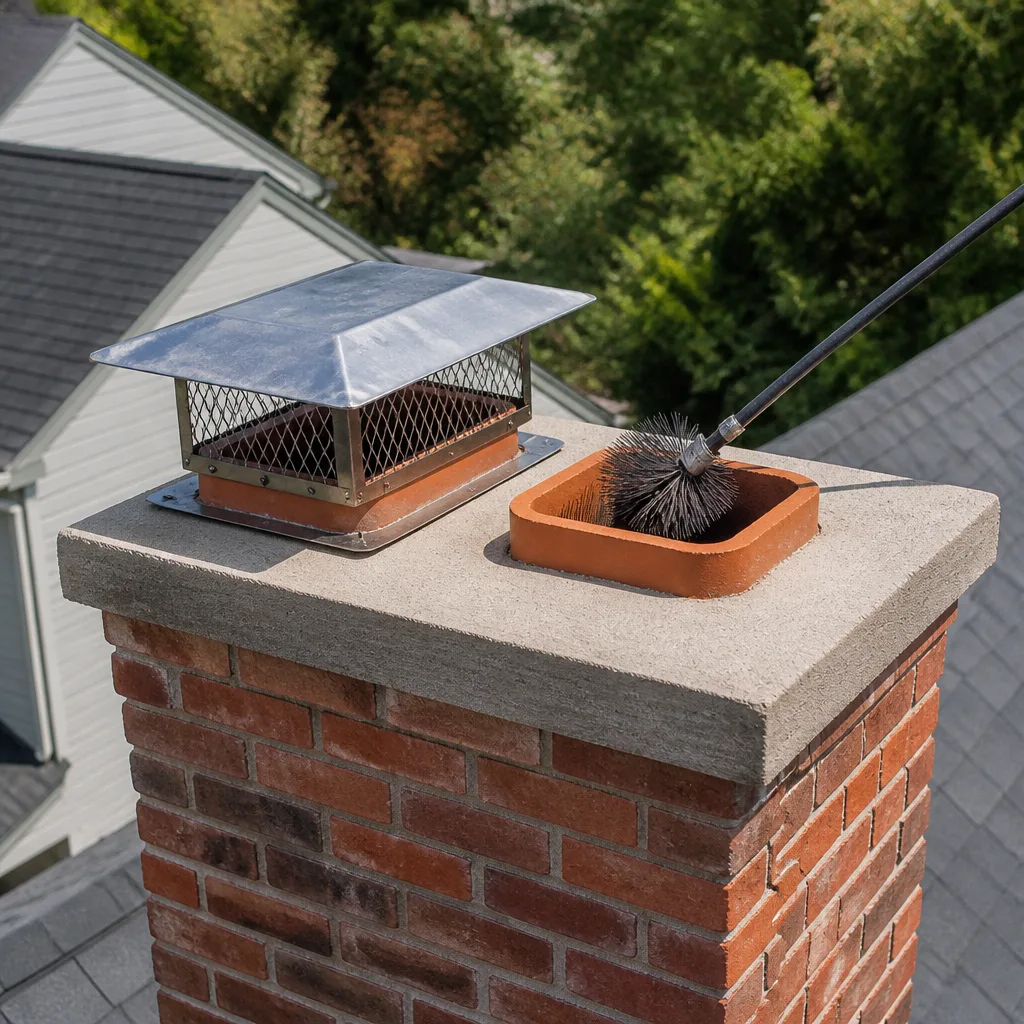 Sweep & inspection
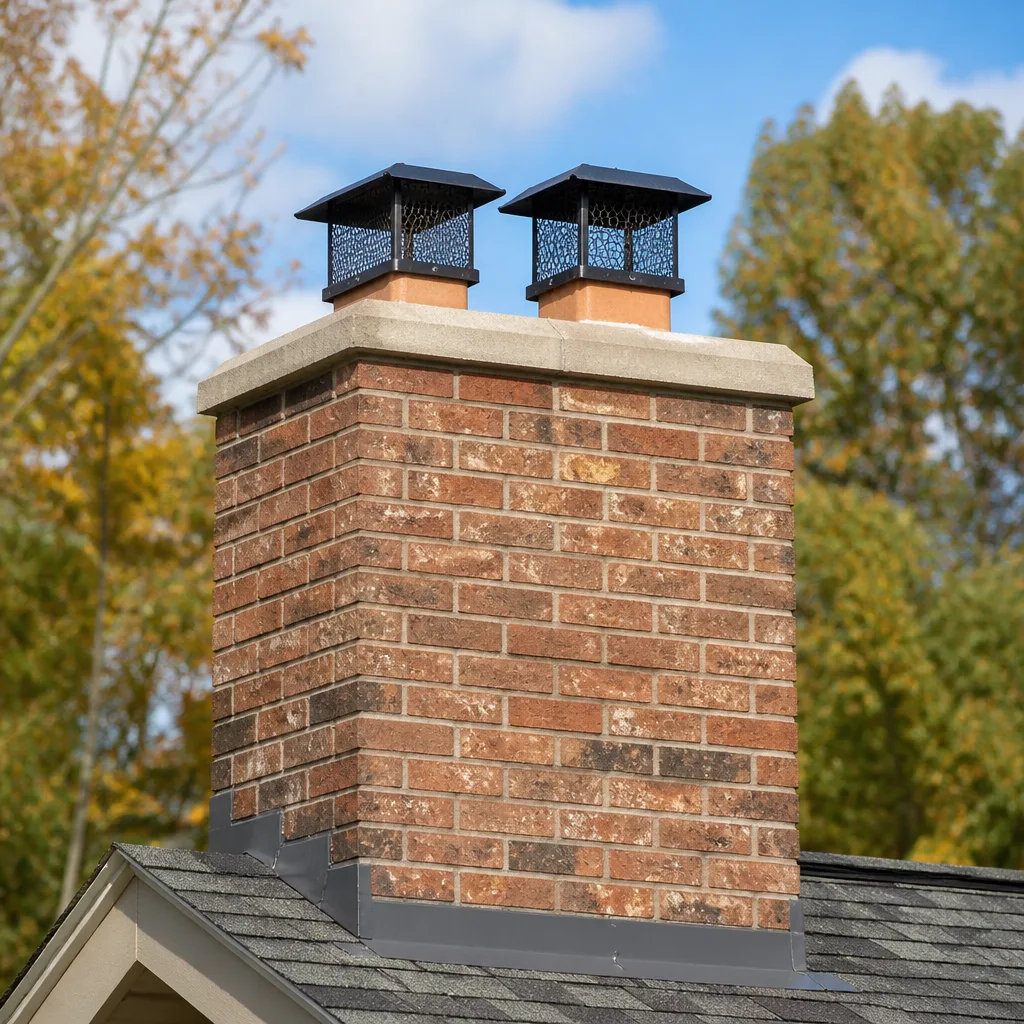 Caps & crowns
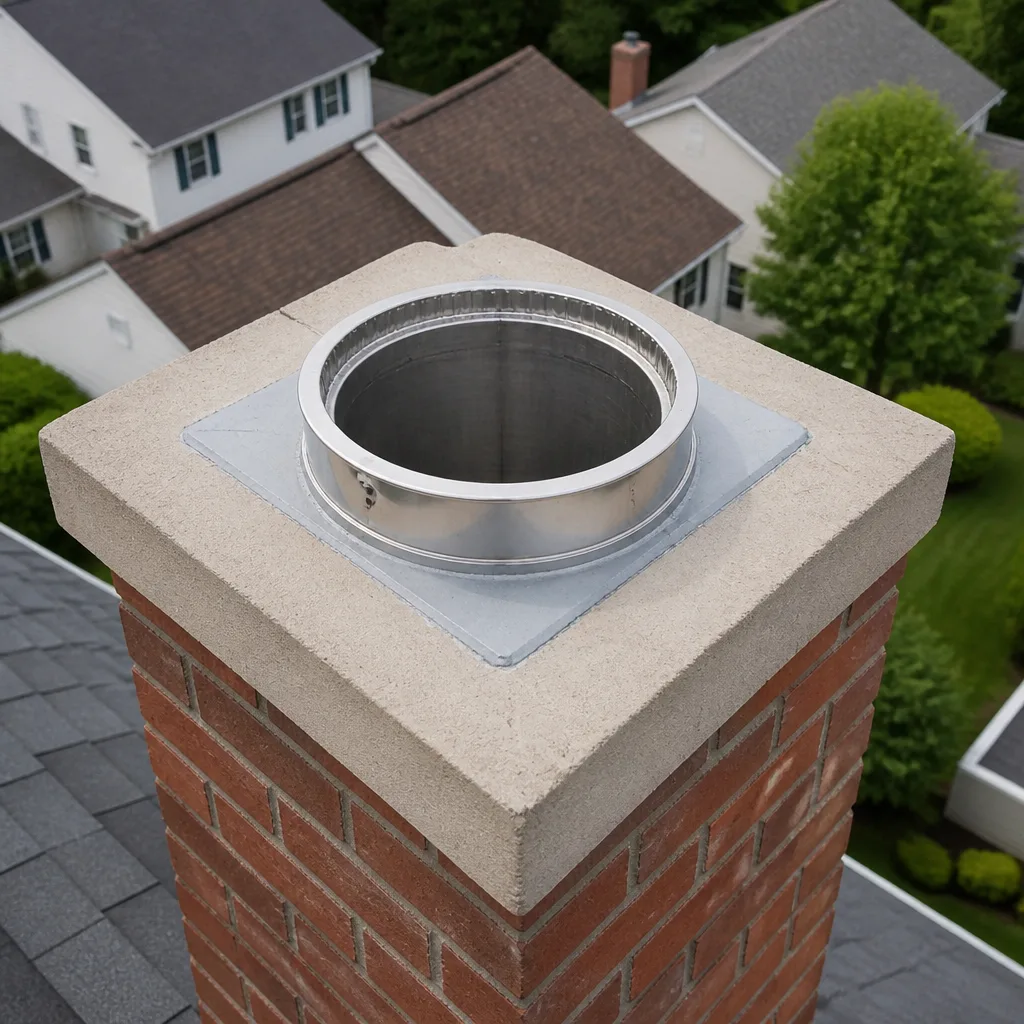 Flue relining
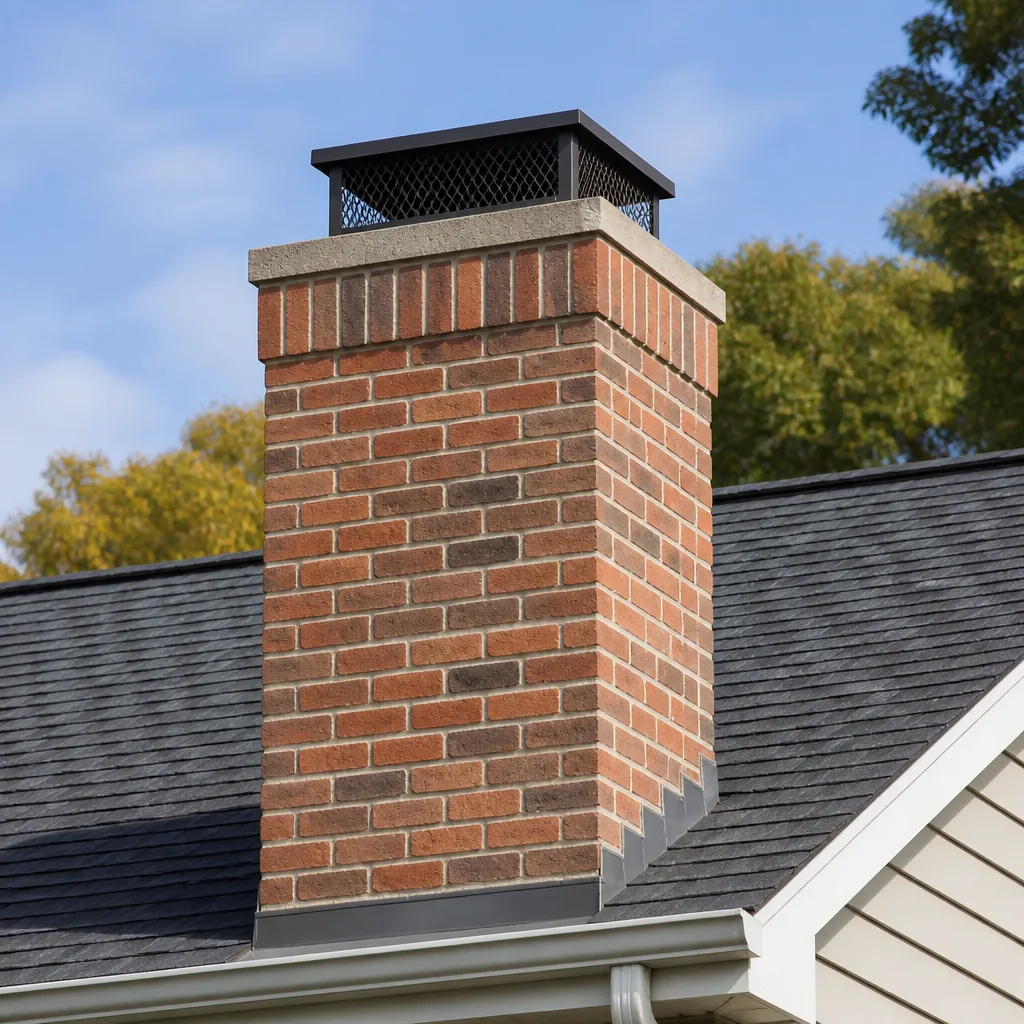 Masonry repair
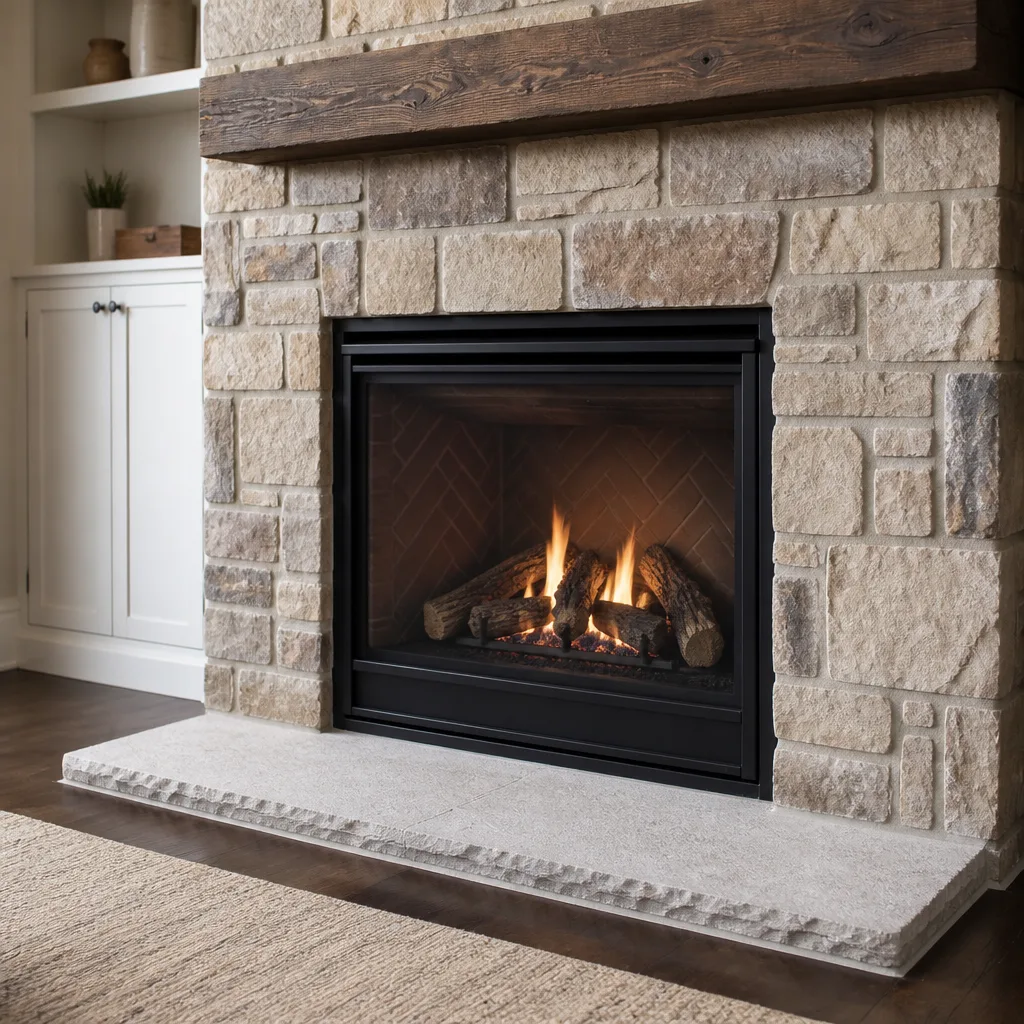 Gas fireplace service
Level 1 sweep and inspection to the NFPA 211 annual standard - flue, crown, cap, and flashing checked and photographed
Chimney sweep logs do not sweep chimneys. They loosen some creosote - which then falls where a brush and vacuum still have to collect it.
Chimney Cleaning Cost Breakdown: The Clear Lake Homeowner’s Reference for 2026
The $79 chimney cleaning special you’ll see advertised around the Houston market covers exactly one thing: the basic sweep. Everything a humid-climate chimney actually needs to stay sound is priced as an add-on once the technician is already in your living room. That’s not a scam by itself, but it does mean the number on the mailer tells you almost nothing about what you’ll spend. In this guide, we break down what a Level 1 sweep, a Level 2 camera inspection, and a Level 3 inspection realistically cost in the Clear Lake market in 2026, what repairs found during a cleaning tend to run, and how to read an estimate line by line so you know what you’re buying and what’s being padded. The goal is simple: know exactly what’s happening inside your chimney before the season starts, and know what it should cost.
Quick Answer
A standard Level 1 chimney sweep in Clear Lake typically runs about $150 to $300 in 2026, depending on flue configuration and how much creosote has built up. A Level 2 inspection with a camera is usually priced separately at about $175 to $350, and a Level 3 inspection (which involves opening a wall or accessing a concealed chase) starts around $400 and goes up from there. The sweep alone is the cheapest part of the job, and that’s the part the discount mailers advertise.
Styles & brands we work with
- Sweep & inspection
- Caps & crowns
- Flue relining
- Masonry repair
- Gas fireplace service
Table of Contents
- Why Clear Lake Chimney Costs Diverge From National Averages
- What a Level 1 Sweep Should Include (and What Costs Extra)
- Level 2 and Level 3 Inspections: What They Cost and When You Need One
- What Common Repairs Found During a Cleaning Actually Cost
- How to Read a Chimney Estimate Line by Line
- Moisture Damage: Fixing It Early vs. After One More Rainy Season
- How Often You Actually Need a Sweep in Clear Lake
- Safety: What Never Belongs in a DIY Project
Why Clear Lake Chimney Costs Diverge From National Averages
The aggregator sites will tell you the national average for a chimney sweep is somewhere in the low-to-mid $200s. That number is real, and it’s also almost useless to a homeowner here. Local labor rates, the specific repair patterns that show up in Clear Lake and the surrounding Houston metro, and what a genuine inspection costs versus a low-price sweep-and-sell visit all shift the number in ways the national average can’t capture.
Start with labor. Houston-area service rates are lower than what you’d pay in the Northeast or on the West Coast, which pulls the baseline sweep price down by a meaningful margin. But the climate pushes repair costs up. Southeast Texas is humid. Not desert-dry, not bone-cold five months a year. The air holds moisture, and that moisture does quiet, consistent work on brick, mortar, and metal over years. Masonry that’s softened by moisture doesn’t fail dramatically; it fails slowly and expensively, and it fails on the schedule of the rainy season, not the heating season.
Then there’s the pricing model. A company that shows up, sweeps the flue, and leaves for $79 is running a different business than a company that sweeps, inspects, and reports. The $79 visit is priced to get through your door, and it’s priced to find what the add-on list will then fix. Some of those findings are genuine. Some are the reason the visit was so cheap. Knowing the difference is what this guide is about.
One more local factor: the housing stock. Clear Lake has a lot of homes built in the 1970s and 1980s, many with factory-built fireplaces or masonry chimneys that have been through several decades of humid summers and wet winters. Those chimneys are more likely to need crown work or liner attention than a newer build in a suburb further out. That’s not a reason to worry; it’s a reason to know the prices going in.
What a Level 1 Sweep Should Include (and What Costs Extra)
A Level 1 sweep is the routine annual cleaning: brush the flue, remove the creosote and soot, check the firebox and the accessible parts of the venting, and confirm the appliance is venting the way it should. In Clear Lake, that work typically runs about $150 to $300 in 2026. That range covers a single flue on a standard masonry fireplace. It doesn’t cover everything a homeowner might reasonably expect, and the gap between “sweep” and “sweep plus what you actually need” is where budgets go sideways.
Here’s what should be inside the base price of a Level 1 sweep:
- Brushing and cleaning of the flue for the appliance being serviced
- Removal of soot and creosote from the firebox and smoke shelf
- A visual check of the accessible portions of the flue, damper, and firebox
- Floor and hearth protection, and cleanup after the work
- A brief verbal report of what was seen
Here’s what legitimately costs extra, and why:
- Camera inspection. Running a camera down a flue is a separate service with separate equipment. Priced on its own, usually $175 to $350.
- Second flue. Many Clear Lake homes have a fireplace plus a separate furnace or water heater flue. Two flues means two sweeps.
- Heavy creosote removal. Glazed, third-degree creosote sometimes needs chemical treatment before it can be brushed out safely. That’s a different job than a routine sweep.
- Access issues. A chimney that requires roof access, a chase opening, or working around a steep roofline costs more in time.
- Bird or animal nests. If a cap has been missing, the flue may have more in it than creosote.
What should not be a surprise add-on: a written report of condition. If a company charges for the basic sweep and then charges again just to tell you what they saw, that’s a red flag about the pricing model, not a standard line item. A clean flue is the first step; a sound one is the goal, and knowing the difference is what you’re paying for.
Level 2 and Level 3 Inspections: What They Cost and When You Need One
A Level 2 inspection is the camera-in-the-flue inspection. It’s the one that actually shows you what’s happening inside the chimney, and it’s the one most homeowners have never had. In the Clear Lake market in 2026, expect roughly $175 to $350 for a Level 2 inspection as a standalone service, or sometimes bundled with a sweep at a slightly lower combined price. A Level 3 inspection, which requires opening a wall or accessing a concealed portion of the chimney, typically starts around $400 and runs higher depending on how much access is needed.
When do you need a Level 2?
- After a chimney fire. Even a small one. A camera is the only way to know whether the liner is intact.
- Before buying or selling a home. Most real-estate transactions involving a fireplace will call for one, and the documented condition report is worth having.
- After any change to the appliance or venting. A new insert, a new liner, a switch from wood to gas, or a flue that’s been capped and reopened.
- After a major weather event. Southeast Texas storms can move masonry and caps. A visual check from the ground won’t catch what a camera will.
- If you’ve never had one. If you’ve owned the home a decade and only ever had sweeps, you don’t actually know the condition of your liner.
At Chimney Sweep Clear Lake, we offer chimney sweep as a standalone service and inspection separately, because a documented condition assessment is something homeowners can act on or share with an insurer or a real-estate transaction without booking repair work.
What separates a real inspection from a sweep-and-sell visit is the camera and the report. If a company recommends thousands of dollars of liner or masonry work without showing you the camera footage or photos, that recommendation isn’t evidence. It’s a sales pitch. You’re entitled to see the inside of your own chimney.
What Common Repairs Found During a Cleaning Actually Cost
Most cleanings turn up at least one thing worth fixing, and the price of that fix is what actually determines the year’s chimney budget. Here are the repair ranges we typically see in Clear Lake in 2026:
| Repair | Typical Estimated Range (2026) |
|---|---|
| Crown sealing / crack repair | $300 – $800 |
| Full crown replacement | $600 – $1,400 |
| Chimney cap installation | $200 – $600 |
| Chase cover replacement (factory-built) | $350 – $900 |
| Liner repair or relining (DuraFlex system) | $1,800 – $4,500+ |
| HeatShield flue resurfacing | $1,200 – $3,000 |
| Firebox repair (masonry or insert panel) | $400 – $1,500 |
| Tuckpointing / mortar joint repair | $400 – $1,200 |
Two of those deserve explanation. HeatShield is a resurfacing system that restores the interior of a masonry flue without demolition. When the flue is structurally sound but the inner surface has cracked or spalled, HeatShield can restore integrity at a fraction of a rebuild. We’re qualified to apply it, and it’s one of the repairs most sweep-only competitors flag but can’t perform. A chimney cap & crown job is the other frequent finding: the crown is the concrete top that sheds water, and the cap is the screen-and-hood that keeps rain, birds, and debris out. Both fail quietly in a humid climate, and both are far cheaper caught early.
The liner number is wide because the job is wide. A short liner on a single-story flue is a different project than a full reline on a tall chimney with an offset. DuraFlex liner systems are what we specify because the material is rated for the application, and the estimate should tell you exactly which system, which length, and which fittings go into your chimney.
How to Read a Chimney Estimate Line by Line
An estimate should read like a parts-and-labor list, not a paragraph. If you can’t tell what’s being done, to what, and with which materials, ask for it in writing before anyone picks up a brush. Here’s a numbered way to read one, whether it comes from us or anyone else:
- Scope line. What exactly is being cleaned or repaired? Level 1 sweep, Level 2 inspection, crown work, liner work. Each should be a separate line.
- Material specification. For repair work, the estimate should name the product. DuraFlex, HeatShield, Gelco, Olympia Chimney, Famco, and Copperfield are the professional-grade lines we specify. Anonymous “liner material” is a red flag.
- Quantity and length. How many feet of liner? How many flues? How many caps? A number you can verify.
- Labor. Broken out separately, or bundled into the material line. Either is fine if the total is clear.
- Diagnostic work. Was a camera inspection performed? Was a photo report provided? If the repair recommendation doesn’t reference what the camera found, push back.
- What’s not included. A good estimate tells you what it isn’t covering. Roof access, chimney-top access, a second flue, structural repair beyond the scope.
- The final price. The written estimate should state that it’s the final price for the scope described. If it doesn’t, ask why.
An estimate you can read line by line is also an estimate you can compare against another. Two bids on the same scope are worth comparing. Two bids on different scopes aren’t. If one company recommends a full reline and another recommends HeatShield resurfacing, the difference isn’t price; it’s diagnosis, and the diagnosis should come with camera evidence you can look at yourself.
Moisture Damage: Fixing It Early vs. After One More Rainy Season
This is the cost story the national averages never tell. In a humid climate like Clear Lake’s, the most expensive chimney problem is almost never fire. It’s water. Water finds the crown, works into the masonry, softens the mortar joints, and reaches the interior of the flue, where it sets up freeze-and-thaw damage during the occasional cold snap and spalling year-round.
Caught early, moisture damage is cheap. A cracked crown is a crown sealing job at a few hundred dollars. A few deteriorated mortar joints are a tuckpointing job. A cap that’s missing screens is a cap replacement. These are maintenance-tier costs, and they’re the reason we recommend a visual inspection at least once a year, ideally before the fall burn season.
Caught late, the same moisture becomes structural. Once water has been reaching the flue interior for a season or two, the inner surface of the masonry spalls, and the fix moves from “seal and repoint” to “resurface with HeatShield” or, worse, a full reline. The jump from a crown repair to a liner system is real and it’s fast. In our experience, the cost difference between fixing moisture issues at the first sign and fixing them after one more Gulf Coast rainy season is typically several times the original repair, and sometimes more than the original sweep, inspection, and repair combined.
You don’t need to panic about rain. You do need to look. A chimney that’s shedding water properly doesn’t need anything. A chimney that’s taking on water quietly does. The camera inspection is what tells you which one you have.
How Often You Actually Need a Sweep in Clear Lake
The rule of thumb in the trade is once a year if you’re burning wood regularly, and annually if the chimney is in use at all, with a visual check even in years you skip the full sweep. The reason is creosote. It’s the byproduct of wood combustion, it’s highly flammable, and it accumulates whether or not you notice it. A clean sweep removes it before it becomes a problem. A dirty flue full of creosote is the setup for a chimney fire.
Clear Lake’s mild winters change the calculation slightly. Most homeowners here don’t burn seven nights a week for six months the way someone in a colder climate would. So the annual rule isn’t about volume; it’s about checking. A chimney that burned lightly this year can still have developed a crown crack, a dropped cap, or a cracked inner flue from a summer’s worth of humidity. The annual visit is the chance to catch it. If you burned heavily, the sweep itself matters more. If you burned lightly, the inspection matters more. Either way, one visit a year does the job.
For homes that haven’t had a sweep in several years, the first visit is often a Level 2 inspection plus a sweep, because nobody actually knows what’s in there. That’s not upselling. That’s the honest way to price a chimney of unknown condition.
Safety: What Never Belongs in a DIY Project
Some chimney tasks are reasonable for a careful homeowner. Clearing debris from the firebox, keeping the cap clear of leaves, and knowing how to operate the damper are all fine. Everything that involves the flue itself, the liner, the crown, or the chimney top is not. A chimney is a vertical shaft of heated gas and creosote, and the components that contain it are the components you can’t see from the floor of your living room.
The two hazards worth naming plainly: chimney fires, which start when accumulated creosote ignites in the flue, and carbon monoxide, which is the colorless, odorless gas produced by incomplete combustion and can enter a home if the flue is blocked, cracked, or improperly vented. Both are serious. Neither is a scare tactic; they’re the reason a trained professional does this work. Camera inspection, proper sweeping, and correct liner installation are the three things that prevent them, and none of the three is a weekend project.
If you smell smoke in the house when the fireplace is off, if the firebox shows staining above the damper, if you’ve had a chimney fire, or if the cap is missing or damaged, treat it as a call-the-professional situation rather than a to-do list item.
Common Mistakes to Avoid
- Buying the $79 sweep and assuming it covers everything. It doesn’t. The base price is for the brush-and-vacuum, and anything the technician finds is priced as an add-on. Ask what the base price includes before you book.
- Skipping the camera inspection because the sweep “looked fine.” A visual check from the firebox can’t see the inside of the flue. If you’ve never had a camera inspection, you don’t know the condition of your liner.
- Authorizing liner work without seeing the footage. This is the biggest single expense in chimney repair and the easiest to oversell. Ask to see the camera footage or photo report before you sign anything.
- Ignoring a cracked crown through one more rainy season. In Clear Lake’s humidity, that’s how a crown-sealing job becomes a reline. The early fix is cheap; the late fix is not.
- Hiring a general handyman with a brush. A chimney is a specialized venting system. It has specific code requirements, specific materials, and specific failure modes. A tradesperson who does chimneys and four other things isn’t practicing in the same discipline.
- Comparing two estimates with different scopes. If one bid is for a sweep and one is for a sweep plus inspection plus crown repair, they’re not the same job. Read both line by line.
- Putting off the pre-season inspection. The best time to find a problem is before you need the fireplace. The second-best time is now, before the rainy season finishes what the summer started.
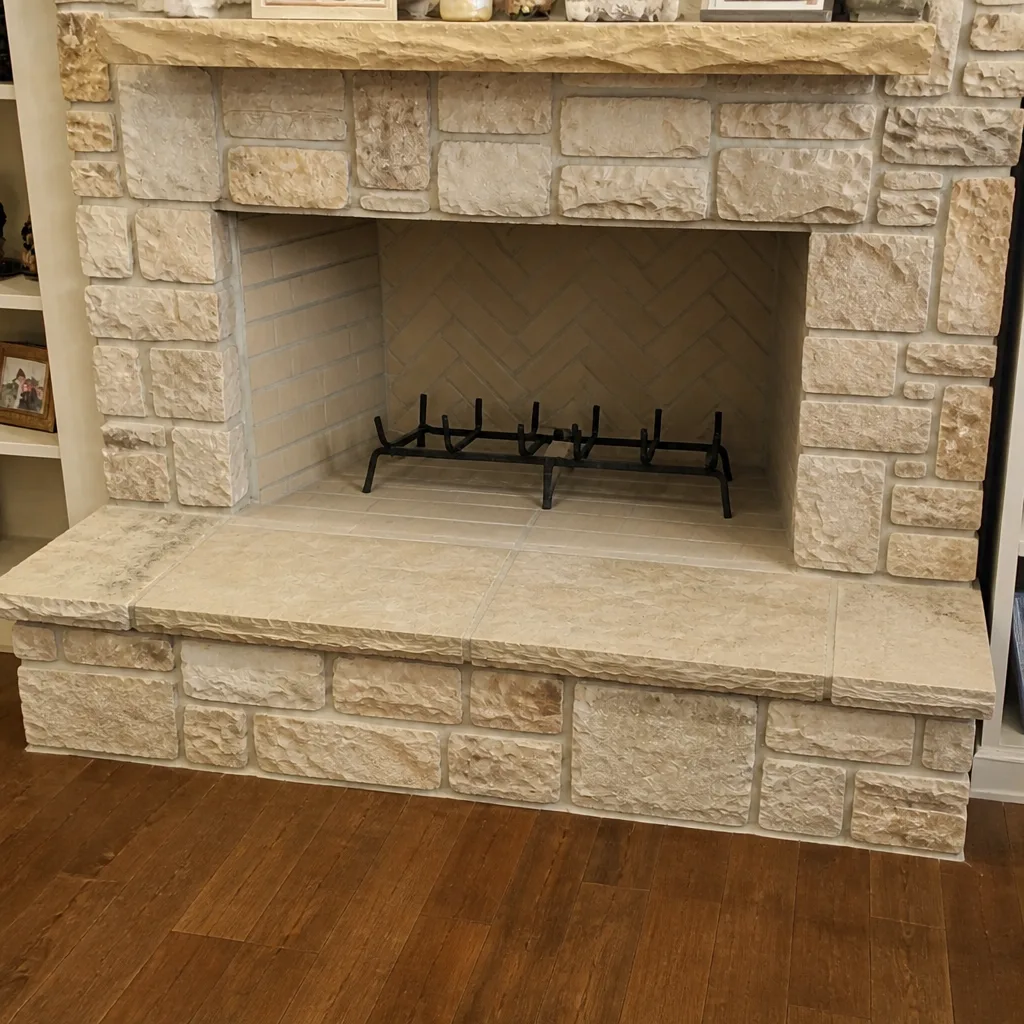
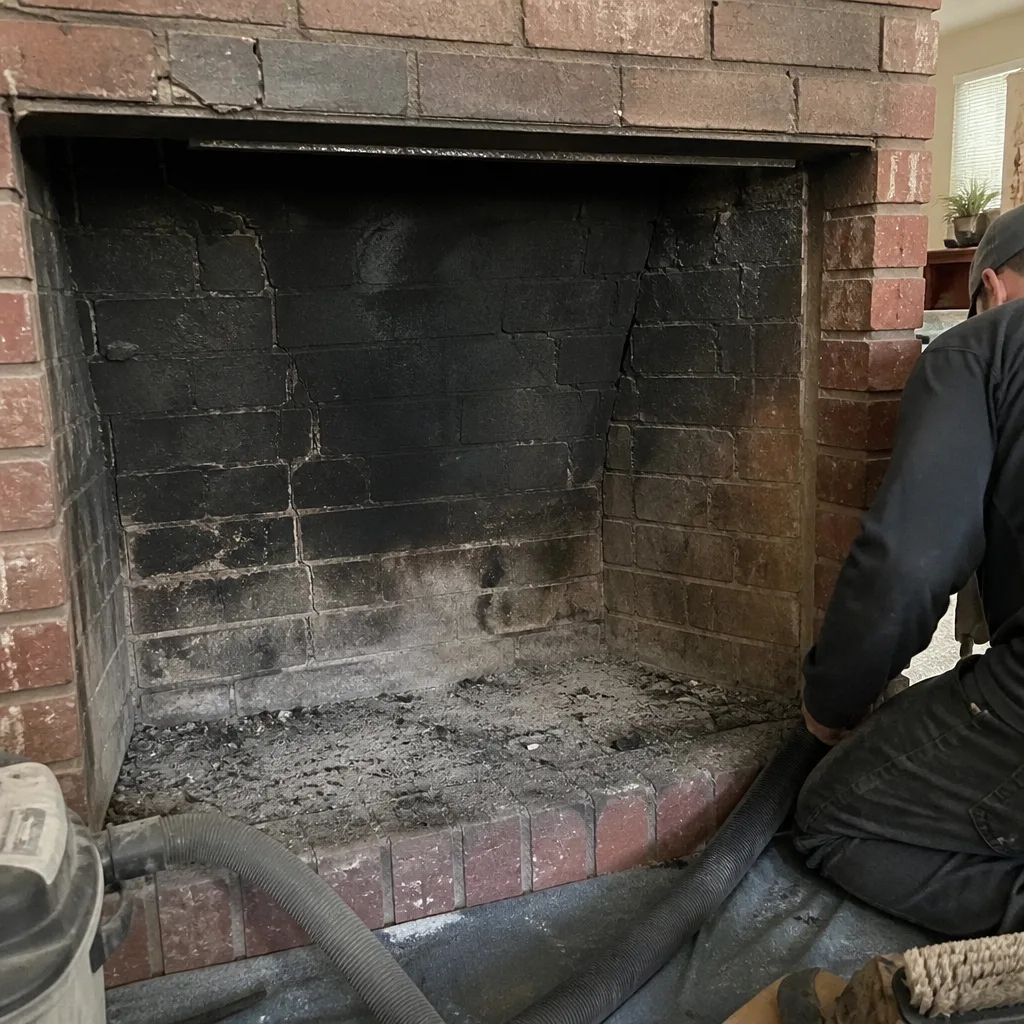
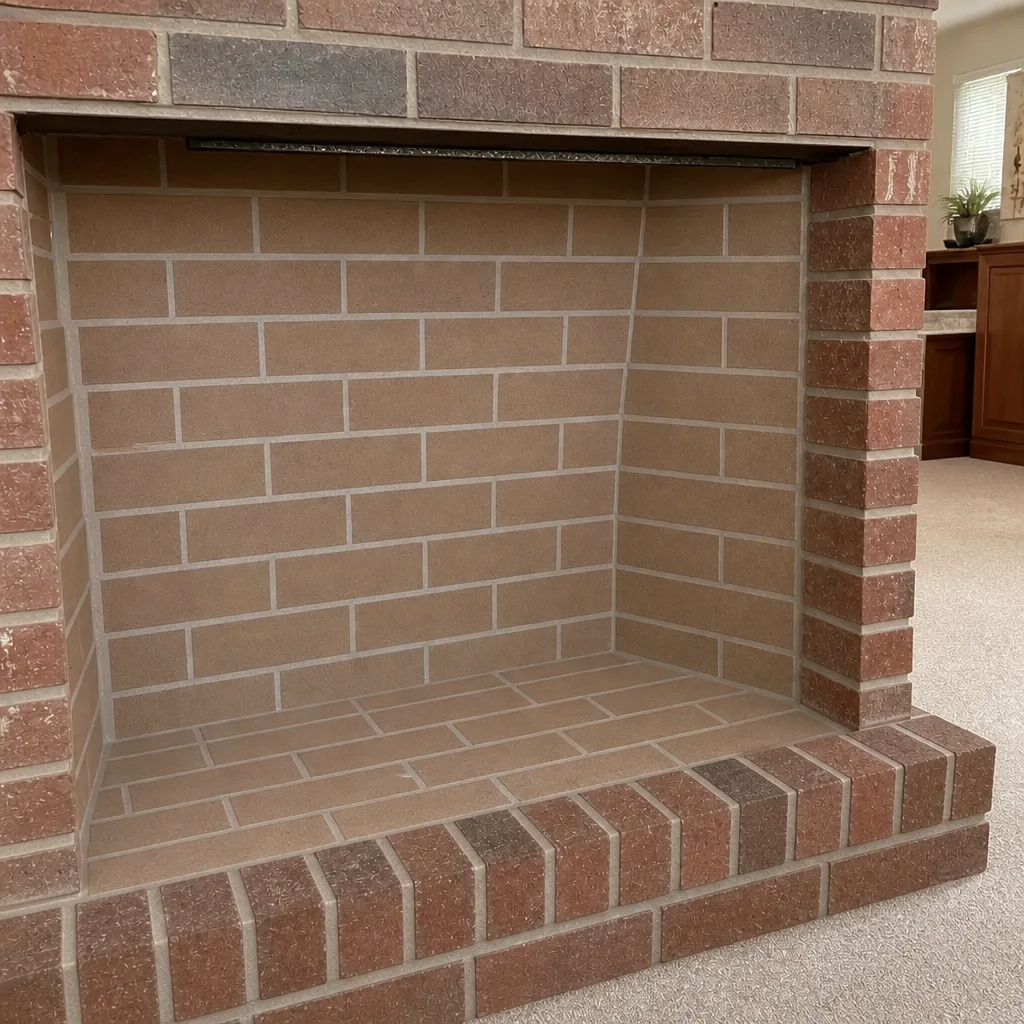
See the difference
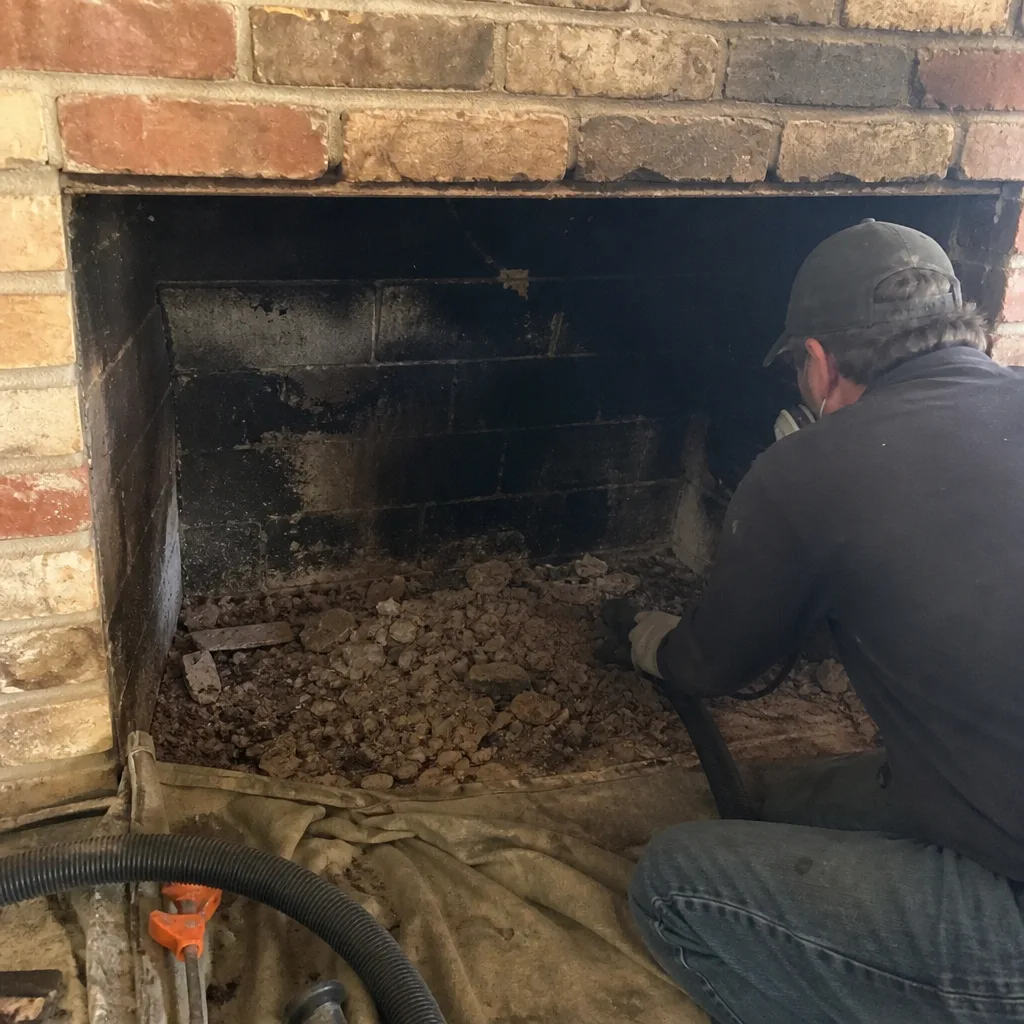 Before
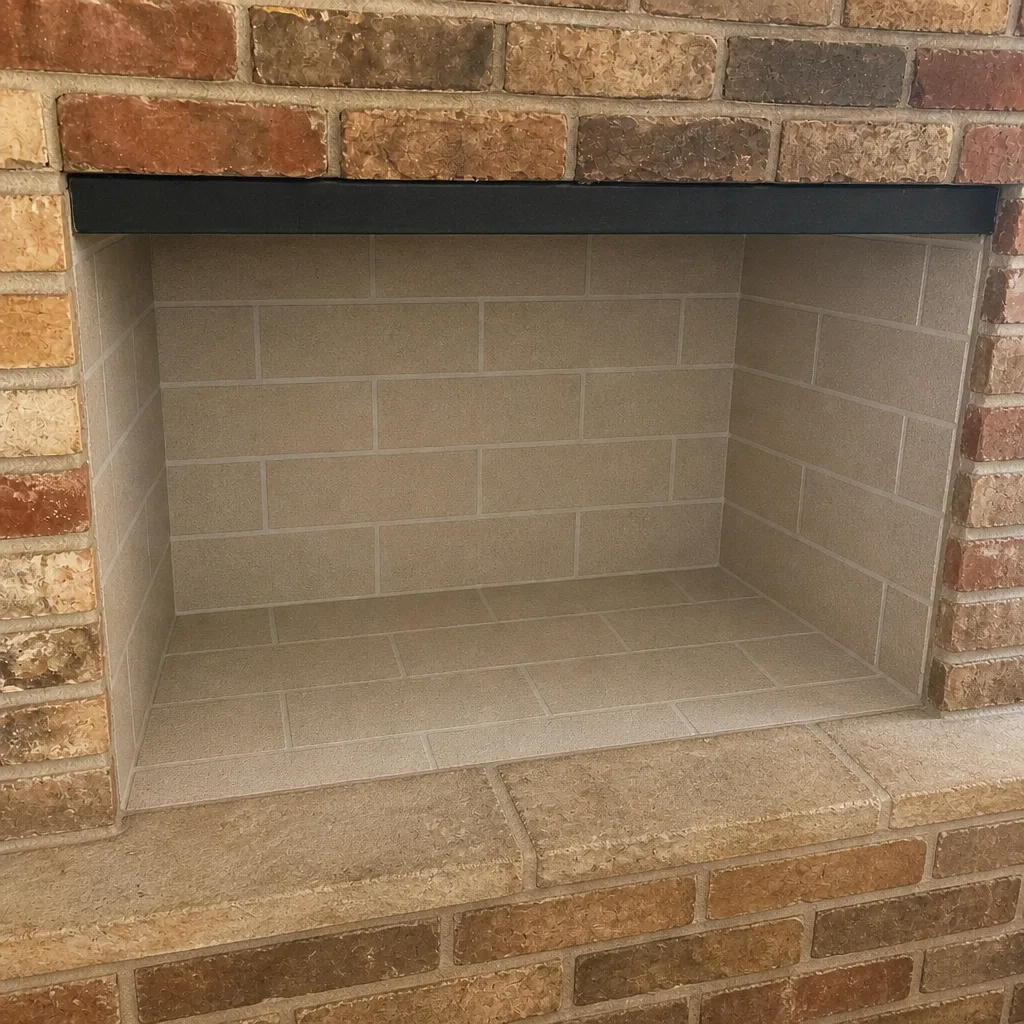 After
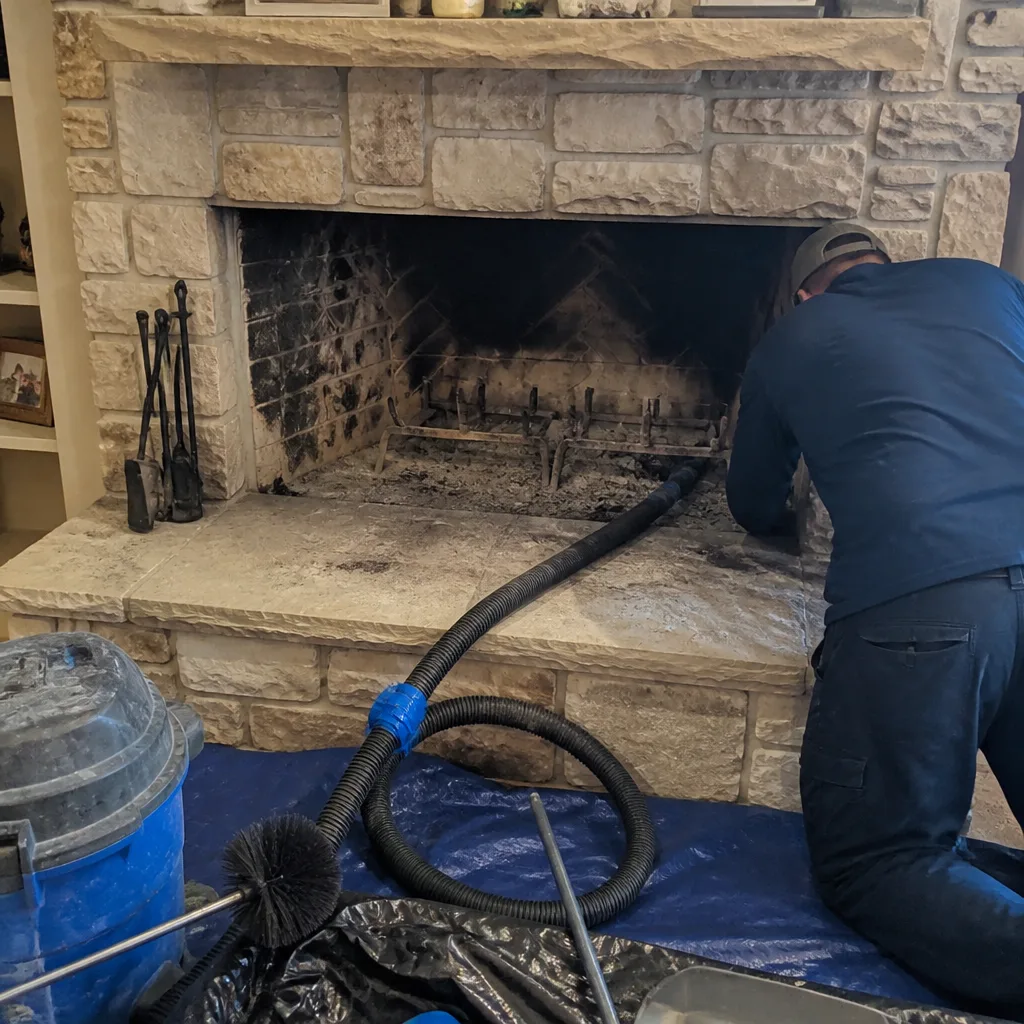 Before
 After
 Before
 After
When to Call a Professional
Call a professional if you’ve had a chimney fire, if you smell smoke or gas in the house when the fireplace is off, if the firebox shows staining above the damper, or if the cap is missing or damaged. Call if it’s been more than a year since the last sweep, or if you’ve just moved in and don’t know the service history. Call if you’re seeing water stains on the chimney exterior, cracked mortar joints, or a crown that’s visibly failing. Call before you burn this season, so you know what you’re working with. Chimney Sweep Clear Lake offers free estimates in Clear Lake. Call (855) 726-7805. We answer 24/7. Fast dispatch from 7am to 7pm, Sunday through Friday. A call outside dispatch hours is booked into the next opening.
Frequently Asked Questions
A standard Level 1 sweep in Clear Lake typically costs about $150 to $300 in 2026, depending on flue configuration and creosote buildup. A camera inspection is usually priced separately at about $175 to $350, and repair work found during the visit is quoted on its own. Call (855) 726-7805 for an exact quote; estimates are free.
Only if the camera shows your existing liner is cracked, spalled, or improperly sized for the appliance. A liner recommendation without camera evidence you can see is a sales pitch, not a diagnosis. Ask to see the footage before you authorize anything. If the liner is sound, HeatShield resurfacing can sometimes restore the flue interior at a fraction of the reline cost. Call (855) 726-7805 for a free estimate.
Once a year if the fireplace is in use at all, with a visual check at minimum in years you skip the full sweep. In Clear Lake’s mild winters, the annual visit is more about catching moisture damage early than about creosote volume, though both matter. Call (855) 726-7805 to book a free estimate.
Two things can go wrong. Creosote accumulates in the flue and becomes a fire hazard, and moisture works into the masonry through a cracked crown or missing cap, which is the slow expensive path. Neither is a scare tactic; both are common and both are far cheaper caught early. Call (855) 726-7805 for a free estimate.
It’s worth knowing what it covers, which is usually just the basic sweep. Everything a humid-climate chimney actually needs (camera inspection, crown work, cap replacement, liner attention) is priced as an add-on once the technician is there. Compare the base price plus the add-ons you actually need, not the base price alone. Call (855) 726-7805 for a written estimate you can compare.
We handle the full arc: sweep, inspection, cap and crown, liner work, fireplace repair, and structural chimney repair, all by the same specialist team. That matters because sweep-only companies will flag a problem and then refer you out. We specify professional-grade materials from DuraFlex, HeatShield, Gelco, and Olympia Chimney, and we install them the way the manufacturers intend. Call (855) 726-7805 for a free estimate.
The Bottom Line
The number on the discount mailer isn’t the price of a chimney service; it’s the price of getting in the door. What a Clear Lake homeowner actually spends in 2026 depends on the sweep ($150 to $300), the inspection ($175 to $350), and whatever the camera finds. Repairs caught early are maintenance-tier costs. Repairs caught after one more humid rainy season are liner-tier costs. The cheapest path is a real inspection with camera evidence you can see, a written estimate you can read line by line, and a specialist who can perform the repair rather than refer it out. That’s the whole calculation. Everything else is add-ons.
Contact
If you’re ready to know what’s actually happening inside your chimney before the season starts, Chimney Sweep Clear Lake is here to help. From inspection to repair, handled by one specialist team, we bring the camera, the materials, and the experience to tell you what’s true and what can safely wait. Chimney Sweep Clear Lake covers the full arc of chimney and fireplace work in Clear Lake and the surrounding area. Call (855) 726-7805 for a free estimate. We answer 24/7. Fast dispatch from 7am to 7pm, Sunday through Friday.
Written by the team at Chimney Sweep Clear Lake.