
Last updated November 24, 2026
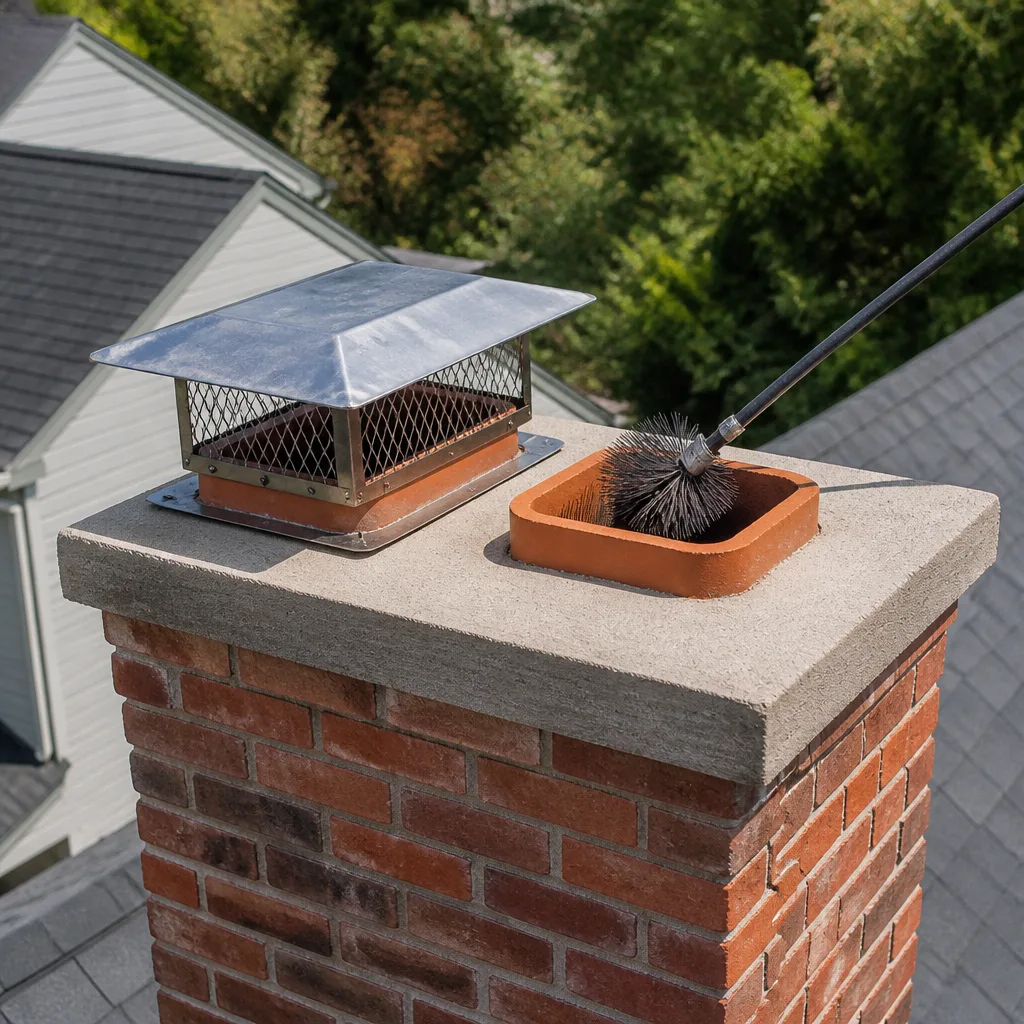 Sweep & inspection
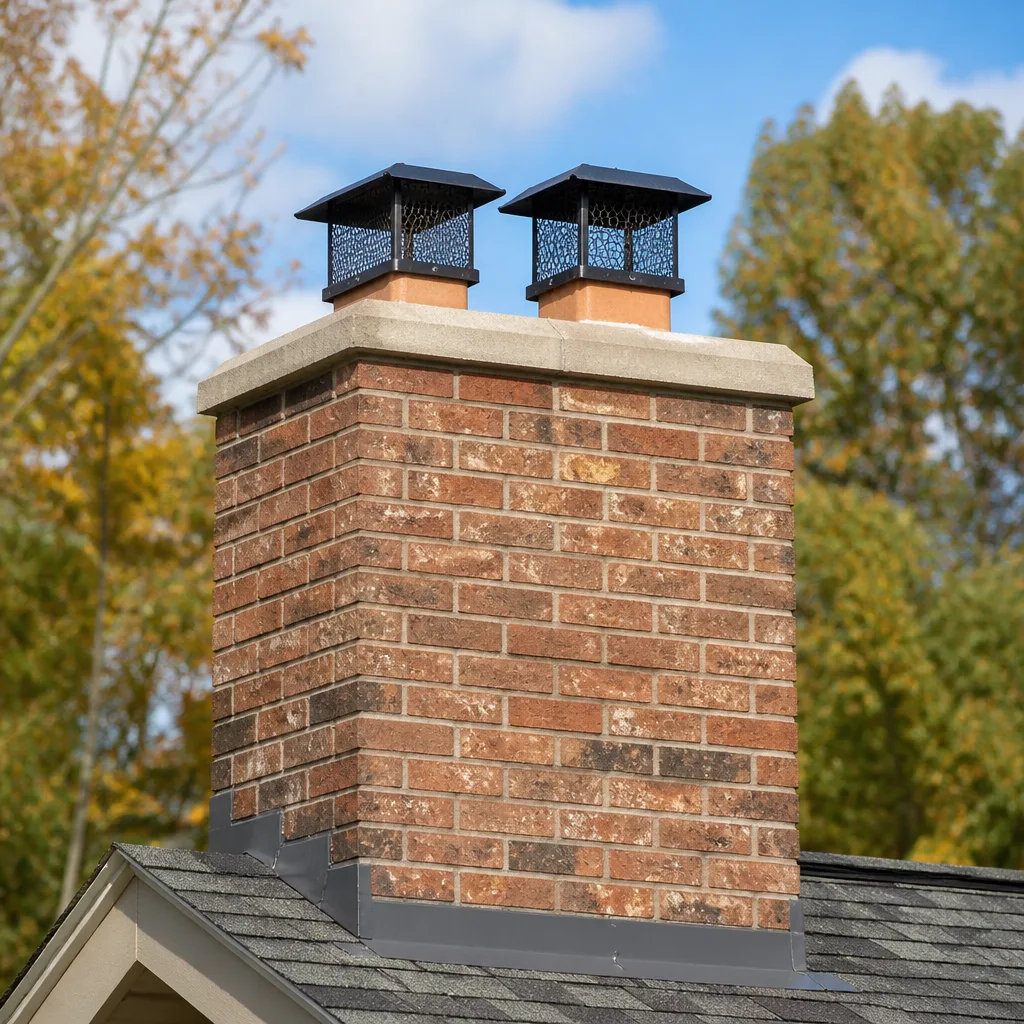 Caps & crowns
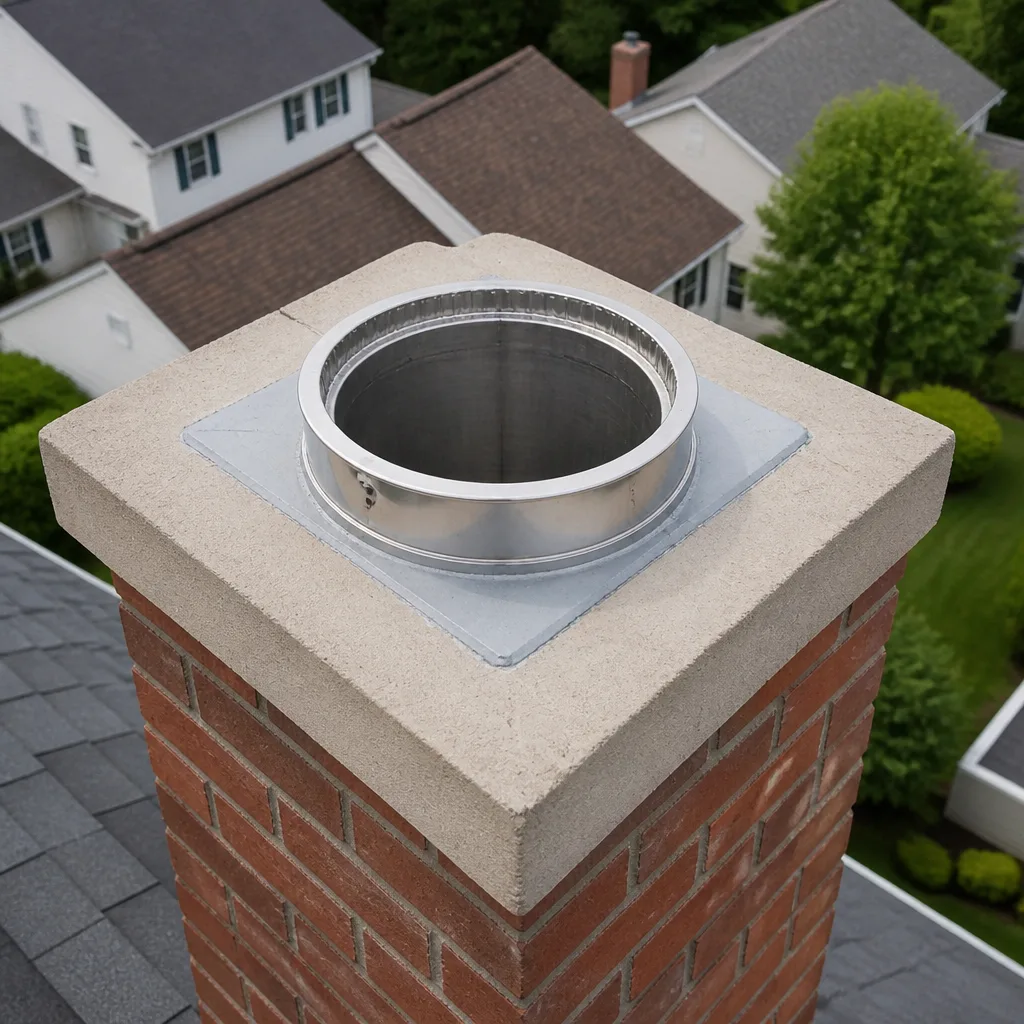 Flue relining
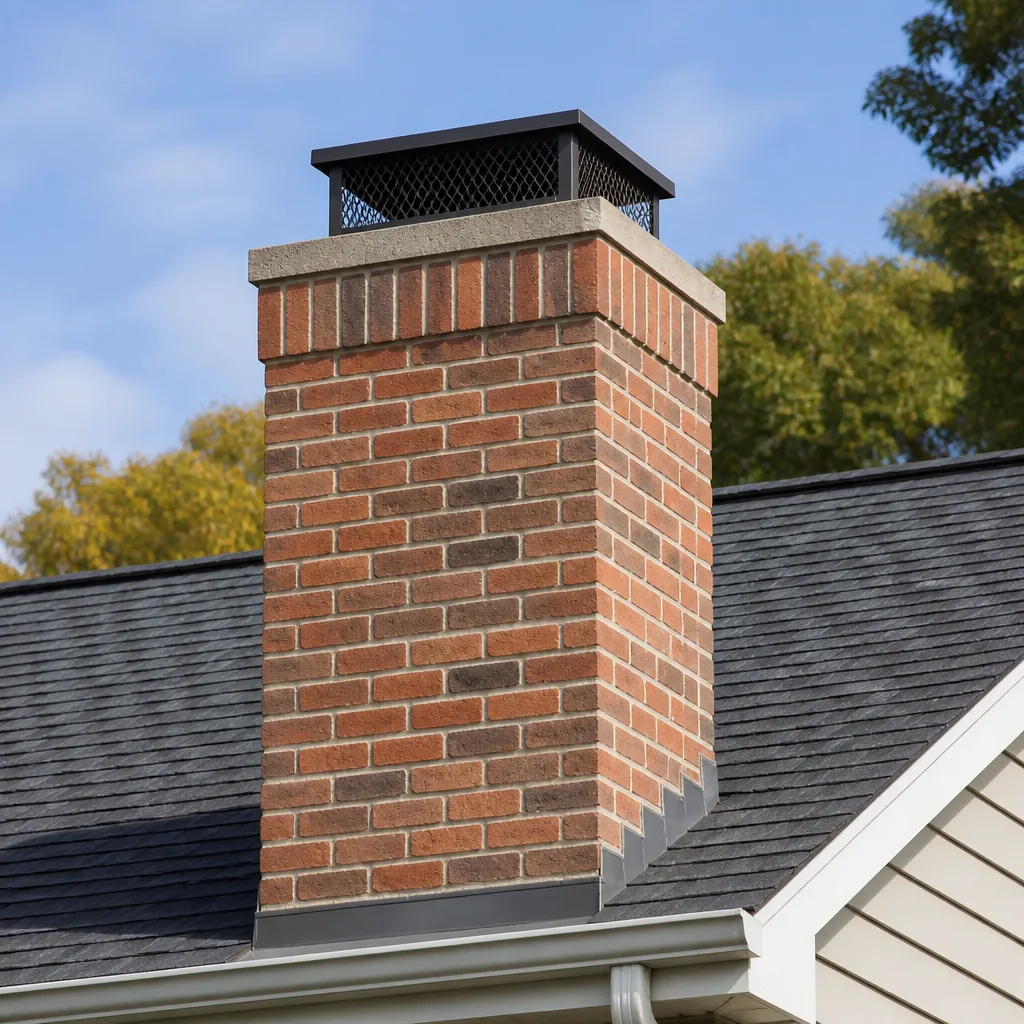 Masonry repair
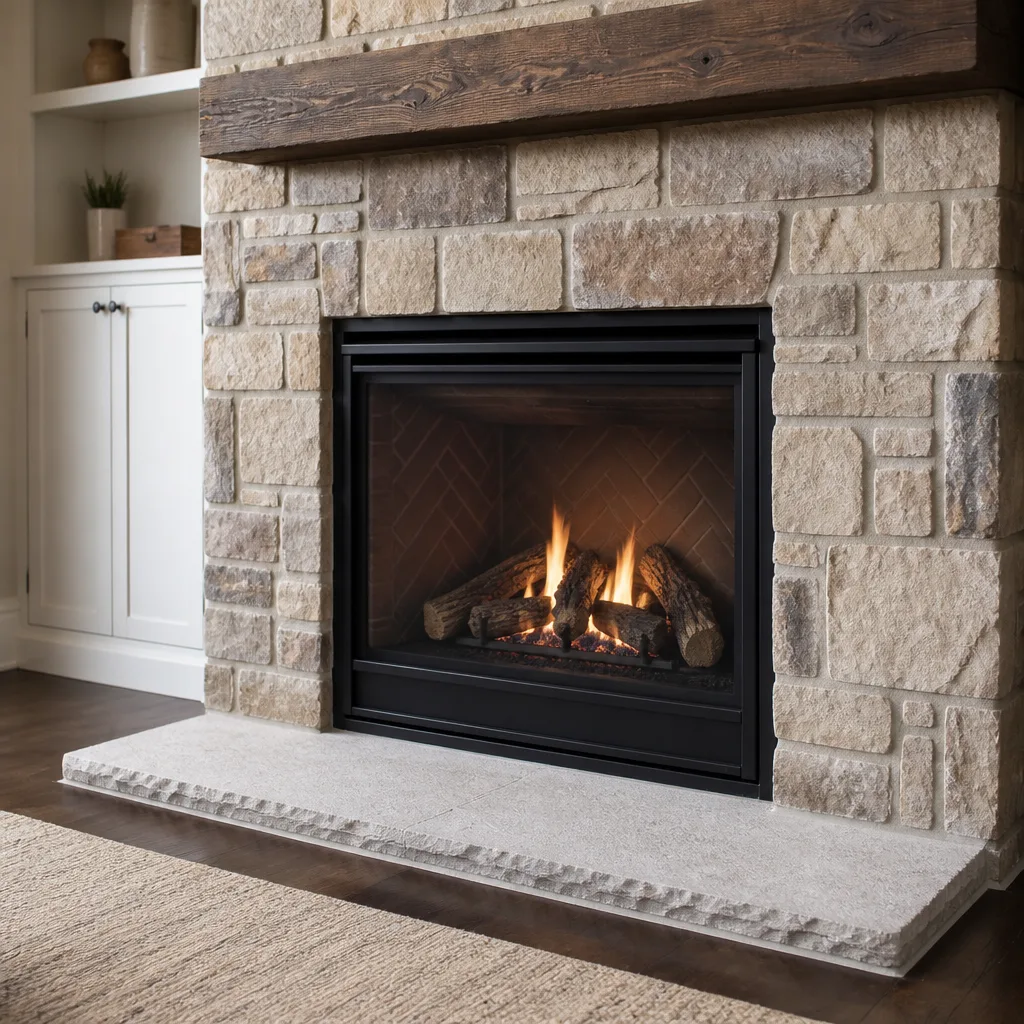 Gas fireplace service
Level 1 sweep and inspection to the NFPA 211 annual standard - flue, crown, cap, and flashing checked and photographed
Chimney sweep logs do not sweep chimneys. They loosen some creosote - which then falls where a brush and vacuum still have to collect it.
DIY vs Professional Chimney Cleaning: The Clear Lake Homeowner’s Decision Guide
Chimney cleaning rods and brushes are sold at every big-box store in the Houston area, and they do work – right up until the creosote they can’t remove ignites at 1,100 degrees Fahrenheit. That’s the part the retail packaging leaves out. The real question in Clear Lake isn’t whether you can push a brush up a flue. It’s whether you can read what comes back down. This guide breaks down what a DIY clean actually removes, what it leaves behind, when doing it yourself is genuinely reasonable, and how to compare the real cost of both paths before the next burning season starts.
Quick Answer
A professional chimney sweep is the right choice for most Clear Lake homeowners because the sweep itself is only half the job – the other half is a trained inspection of the flue liner, cap, crown, and firebox, which a brush kit can’t provide. DIY cleaning is reasonable only for light, routine soot removal between professional visits, on a chimney you already know is sound. If you’ve never had the flue evaluated, start with a professional inspection.
Styles & brands we work with
- Sweep & inspection
- Caps & crowns
- Flue relining
- Masonry repair
- Gas fireplace service
Table of Contents
- What a brush actually removes, and what it leaves
- First-degree vs second-degree creosote: why the difference decides the job
- Why Clear Lake’s climate changes the equation
- The tools that evaluate a flue (and no DIY kit includes)
- When DIY maintenance is genuinely appropriate
- Calculating the true cost of a DIY clean
- Liability and insurance when you self-certify
- Common mistakes to avoid
What a Brush Actually Removes, and What It Leaves
A chimney brush removes loose, flaky soot and the lightest creosote dust from the flue walls. That’s it. It does not remove glazed creosote, it does not restore a cracked liner, and it cannot tell you whether either problem exists. This is the single biggest gap between DIY cleaning and professional cleaning in Clear Lake, and it’s the reason a brush-and-vacuum kit from a home center is not the same product as a professional sweep visit.
Professional sweeps work with rotary systems – powered rods driving poly or wire brushes at controlled speed – and pair them with industrial vacuums that keep the dust sealed inside the flue and firebox instead of drifting into your living room. The mechanical action of a rotary brush is more aggressive than hand-pushing a rod, which matters on the rougher surfaces inside older masonry flues. The vacuum is more than a convenience: without real negative pressure, fine soot settles across furniture, carpets, and the tops of ceiling fans long after the job “looks done.”
But the mechanical difference is only part of it. A sweep visit is a two-part job:
- Cleaning – removing what has accumulated since the last service.
- Evaluation – determining whether the flue is still safe to use, and what condition the liner, cap, crown, and firebox are in.
Most DIY kits deliver a version of the first and none of the second. In Clear Lake, where a lot of homes carry masonry chimneys built decades ago alongside newer factory-built units, that evaluation is where the real value sits. A clean flue is the first step; a sound one is the goal. If the interior of your chimney has never been looked at with a camera, a brush alone tells you almost nothing.
For a full description of what a professional visit includes, our chimney sweep service page walks through the process step by step.
First-Degree vs Second-Degree Creosote: Why the Difference Decides the Job
Creosote forms in stages, and the stage determines whether a brush can touch it. Understanding the three degrees is the fastest way to know whether your chimney is a DIY candidate or a professional one.
- First-degree creosote is a light, fuzzy, flaky deposit, often dust-like. It brushes off easily with standard tools. This is the layer that accumulates on a well-run fireplace with dry, seasoned wood.
- Second-degree creosote is denser, sometimes tar-like or hardened into crusts. It resists a standard brush. It’s the deposit that forms when a fire burns cooler than it should, or when wood is less than fully dry.
- Third-degree creosote is glazed and hardened onto the liner surface like a shell. A brush skates across it. Removal requires chemical treatment or rotary tools designed to break it up, and often means the flue is no longer safe to fire until the glaze is addressed.
Here’s the point that DIY guides tend to skip: a homeowner can’t reliably tell which degree they’re looking at from the top of the chimney or the firebox floor. First-degree creosote can hide a glazed third-degree layer further up the flue out of sight. In our experience across Clear Lake homes, the deposits that matter most are the ones you can’t see without a light and a camera pointed down the liner – the same view a brush kit will never show you.
A brushed flue loaded with glazed creosote isn’t just a chimney you haven’t cleaned properly. It’s a fuel source sitting inside your chimney, waiting for the right conditions. That’s why the difference between the two degrees is the single most important variable in this whole decision.
Why Clear Lake’s Climate Changes the Equation
Clear Lake sits in a humid Gulf Coast environment, and that humidity is not decorative. Weeks of damp air, hot summers, and the occasional powerful storm season all play a role in chimney condition – and none of it shows up in a brush.
The biggest climate fact for Clear Lake fireplace owners is water. Moisture from humid air, storm-driven rain, and the periodic Tropical-storm-level downpour can infiltrate a chimney through a failing cap, a cracked crown, or a damaged liner section. Masonry absorbs that moisture, then releases it into the flue from the inside. Wet masonry and wet creosote make for cooler, smokier fires and faster creosote accumulation. A homeowner who cleans the flue but never checks the cap and crown is cleaning the symptom, not the cause.
Storm season also reshapes chimneys in ways you can’t see from the ground. High wind can loosen a cap, shift a crown, or open a hairline crack in a liner section. In our experience, the week after a strong storm system is when the most hidden problems surface. A trained technician with a camera will spot a cracked liner section that a brush will glide right past – and that crack can let smoke, gases, and heat escape into the chimney structure itself.
This is the case for pairing any DIY clean with an annual professional inspection. The climate doesn’t make DIY cleaning dangerous. It makes the unseen inspection the more important part of the job in Clear Lake than it might be in a drier region. If your cap looks suspect after a storm, look at chimney cap & crown work before the next burn.
The Tools That Evaluate a Flue (and No DIY Kit Includes)
Here’s the direct answer to what real diagnostic work looks like: a proper flue evaluation uses video camera systems, moisture probes, and articulated inspection tools that see around offsets and bends. A $60 brush kit includes none of them. That gap is why a swept chimney and an evaluated chimney are two different things.
The tools and checks a professional brings to a Clear Lake chimney inspection:
- A chimney camera on a flexible rod – feeding a real-time video down the flue to read the liner condition, spot glazed creosote, and confirm no offsets are blocked.
- A moisture meter – checking masonry for hidden dampness, especially after a humid stretch or a storm.
- A rotary brush system matched to the flue type – not a one-size universal brush, but the right head and rod for masonry or a metal liner.
- Visible-light inspection of the cap, crown, and firebox – top to bottom, done from a stable and safe position.
- Documentation – a written and photographic record of condition that you can act on, share with an insurer, or hand to a buyer or realtor during a sale.
That last item is worth pausing on. A chimney inspection as a standalone service produces a documented condition assessment. Homeowners in Clear Lake get real value from that piece alone, separate from any cleaning – especially in homes that have gone several seasons without a look, or during a real-estate transaction where condition needs to be provable rather than claimed.
Evaluation is the diagnostic half of chimney care. It’s where a specialist earns their keep.
When DIY Maintenance Is Genuinely Appropriate
Let’s be fair to the DIY path: there are situations where it genuinely works. The problem is that those situations are narrower than the marketing on a retail brush kit suggests. DIY maintenance is reasonable in these specific scenarios:
- You already know the chimney’s condition. A professional inspection in the recent past confirmed a sound liner, no glazed creosote, and no structural issue. In that case, a light seasonal brush is a maintenance step, not a diagnostic one.
- Your fire count is low. A few fires a season in a well-maintained fireplace produces light first-degree creosote that a hand brush can handle between professional visits.
- You burn dry, well-seasoned wood. Low-moisture wood burns hotter and leaves less creosote; damp wood is the fastest route to second-degree deposits.
- Your chimney configuration is simple and accessible. A straight vertical masonry flue with easy top access is far safer to brush than an offset or a factory-built metal liner with tight clearances.
Even in these cases, DIY is a between-visits activity. It doesn’t replace the annual evaluation. If you’re not sure which scenario you’re in, that’s the signal that it’s not a DIY job yet. A homeowner brushing a flue without knowing what’s inside it is working blind – and the most common outcome is a false sense of security.
We’ve seen this pattern in Clear Lake often: a homeowner cleans between professional visits, feels good about it, and then misses a cracked liner for two more seasons. The brush did its job. The evaluation never happened.
Calculating the True Cost of a DIY Clean
The retail price of a brush kit is not the cost of a DIY clean. It’s the first line on a longer list. Once you sit down and add the real components, the gap between a professional visit and a DIY clean narrows fast – and that’s before factoring what the professional visit includes that DIY doesn’t.
Here’s the honest accounting. On the DIY side:
- Equipment – rods, brushes sized to your flue, a shop vacuum rated for fine soot, drop cloths, extension cords, and personal safety gear (mask, goggles, gloves).
- Time – setup, cleaning, cleanup, and disposal, often a half-day once you’ve included prep and post-job cleanup of soot drift.
- Disposal – soot and creosote are messy and need to be bagged and disposed of properly; your normal household trash isn’t always the right place.
- Contingency for repeat work – because you can’t see what you’re cleaning, a partial clean often triggers a second attempt once smoke or soot return.
On the professional side, a sweep visit comes with cleaning, industrial vacuum containment, a documented inspection with photos, and a written report of what condition the flue is actually in. The estimate is free; the price is set per job by the written estimate. That structure also matters in the cost comparison, because you’re not paying for a job with a surprise follow-up – you’re paying for a single, defined scope that includes the evaluation.
The DIY-vs-professional cost calculation, then, isn’t really dollars against dollars. It’s equipment and hours against a scope that includes something you can’t produce yourself – a documented read of your flue. Once you count what a professional visit actually covers, DIY is cheaper only if nothing is wrong inside the chimney. You’re not paying for a brush; you’re paying for a trained read of what the brush found.
Liability and Insurance When You Self-Certify
If you clean your own chimney and later have a chimney fire or a smoke event, you are the one who signed off on that chimney’s condition. That’s the liability implication in a sentence. No brush kit gives you a certificate of condition. No homeowner-completed clean produces a document an insurer or a buyer will accept as proof that the flue was sound before the event.
After a fire or smoke claim, insurers typically want documentation of the chimney’s condition and its service history. A homeowner who has cleaned their own flue for several seasons without any professional evaluation has nothing to hand over except the claim itself. That asymmetry is where self-certification starts to look like a false economy. The professional visit creates the documentation trail; DIY doesn’t.
The same logic applies when you sell a Clear Lake home. A pre-sale inspection produces a written and photographic condition report you can share with a buyer, an agent, or an insurer. A homeowner-brushed flue produces a claim, not a document. And if the buyer’s inspection later uncovers a cracked liner or a failing crown, you’re negotiating after the fact instead of being prepared in advance.
We can work with your insurer and produce the documentation your claim or transaction actually requires. That’s part of what a professional relationship with a chimney specialist buys you: a trail of records that holds up when it matters. It’s a quieter benefit than a clean flue, and it’s often the more valuable one.
Common Mistakes to Avoid
- Brushing a flue you’ve never had inspected. A brush removes the visible soot and hides nothing; a glazed layer further up survives the sweep and gives you a false sense of safety. Get a camera inspection first.
- Ignoring the cap and crown while you clean. Clear Lake’s humid air and storm season work on the outside of a chimney as much as the inside. A clean flue behind a failing cap is a wet flue.
- Burning damp wood to speed up the season. Wet wood is the fastest route to second-degree creosote. Seasoned wood burns hotter, leaves less, and makes any maintenance schedule simpler.
- Using a shop vac that isn’t rated for fine soot. Standard vacuums push fine particles back into the air. If you’re going to DIY, the vacuum is not the place to cut corners.
- Skipping personal protective gear. Soot, creosote dust, and fumes are a real exposure risk. A proper mask, goggles, and gloves aren’t optional for a DIY clean.
- Cleaning but not documenting. A clean flue with no written condition report leaves you with nothing to hand an insurer or a buyer when it counts.
- Assuming a DIY clean replaces an annual inspection. The whole reason the professional visit exists is the evaluation, not the sweeping. Don’t skip the part you’re actually paying for.
See the difference
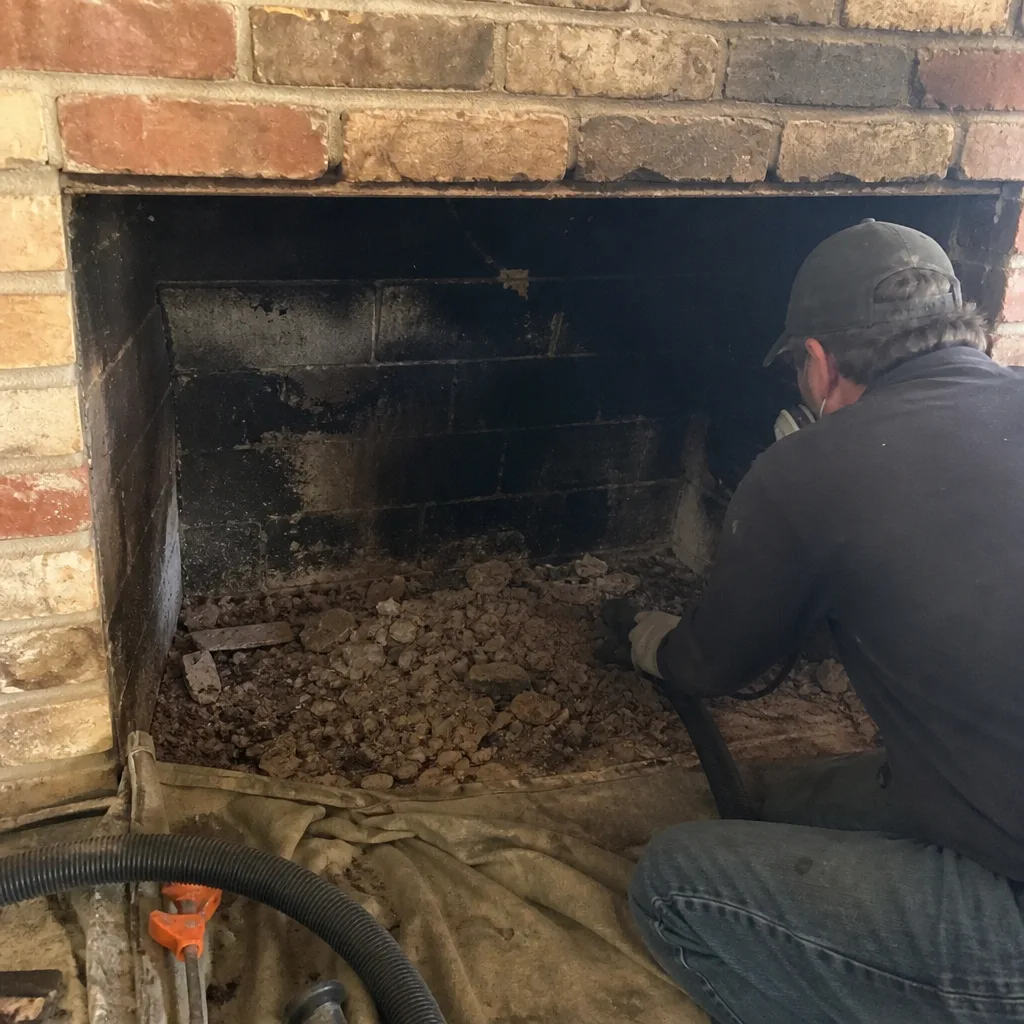 Before
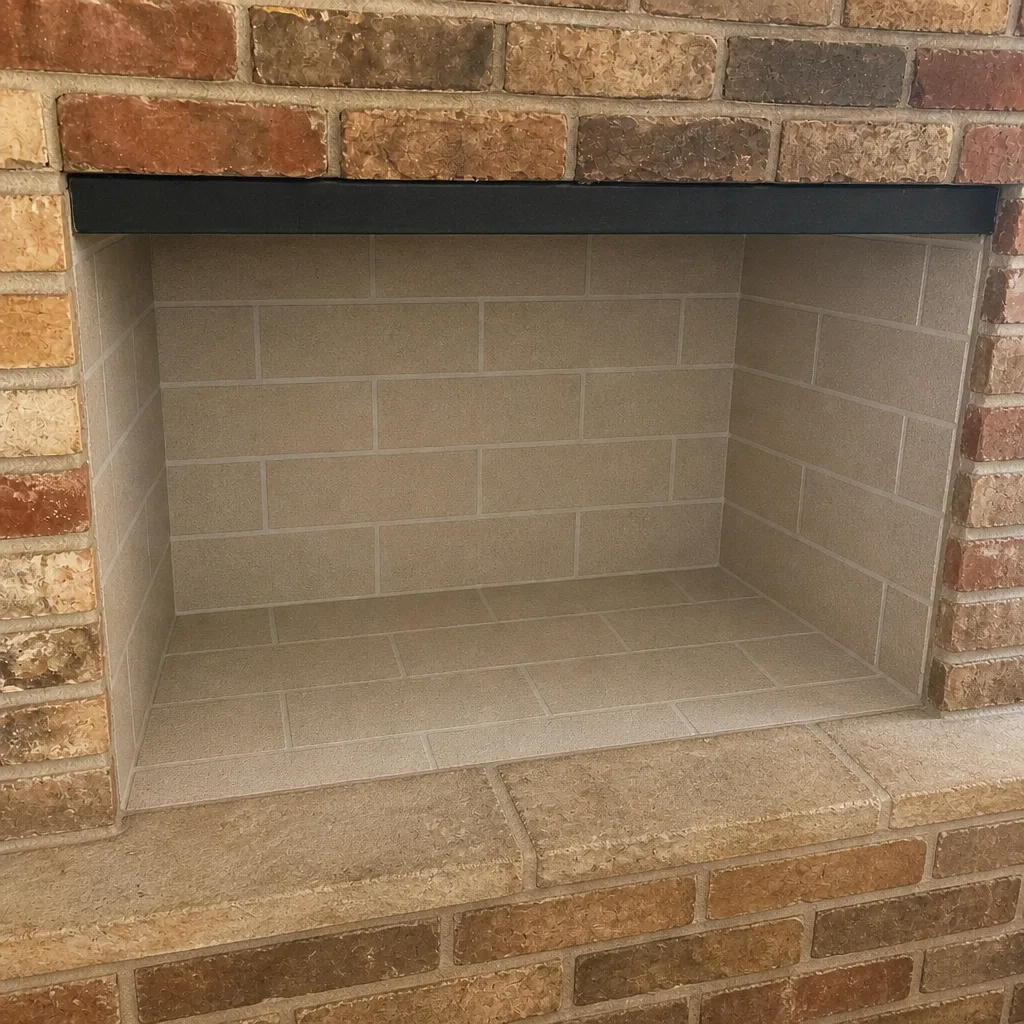 After
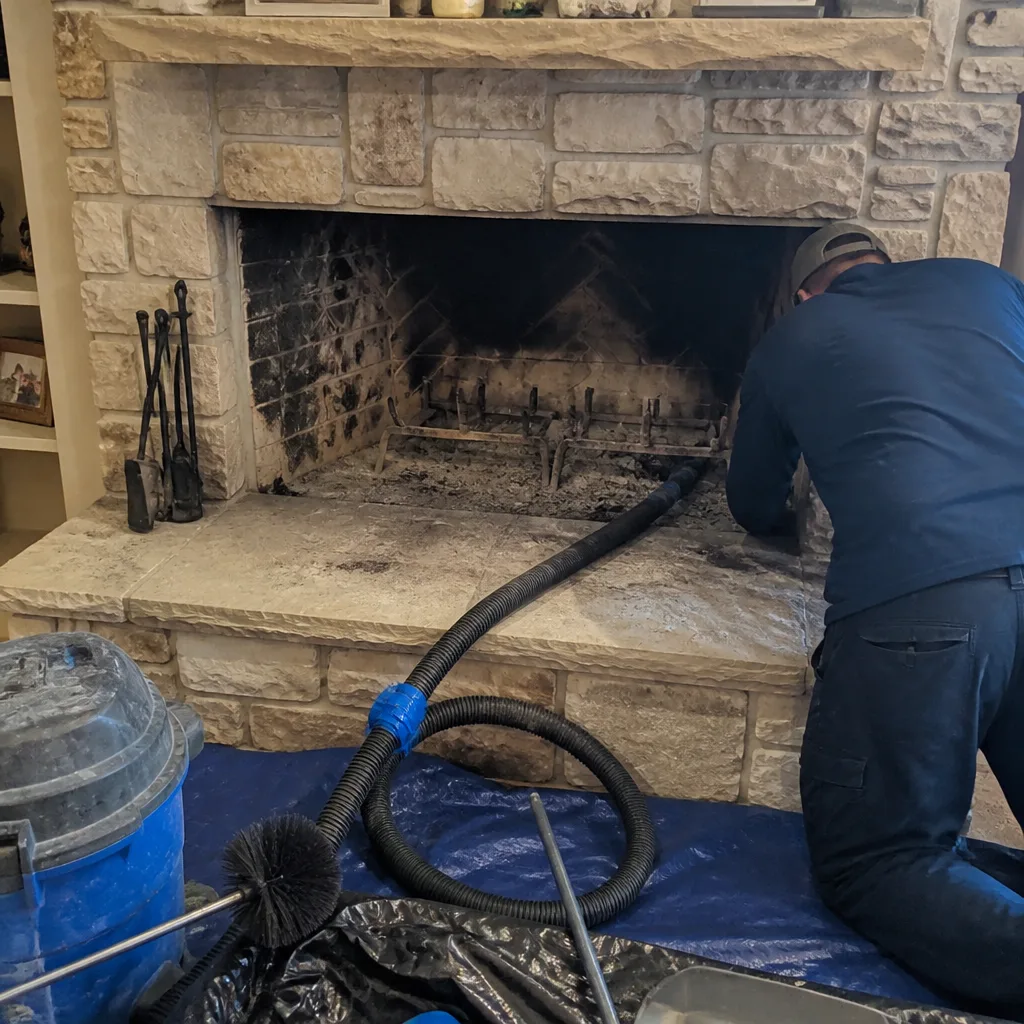 Before
 After
 Before
 After
When to Call a Professional
Call a professional chimney sweep in Clear Lake when any of these apply: the chimney hasn’t been inspected in more than a year; you smell smoke in the house on still days; the fire draws poorly or backs smoke into the room; you’ve had a storm season since the last look; the cap or crown looks cracked or loose; the wood you burn has been less than fully dry; or you’re preparing to sell or insure the home and need documentation. The same goes for any barn or shop fireplace where the flue is older or unfamiliar. If any of that describes your situation, don’t brush it and move on. Chimney Sweep Clear Lake offers free estimates in Clear Lake – call (855) 726-7805. We answer 24/7. Fast dispatch from 7am to 7pm.
For structural concerns that go beyond cleaning – a capped flue, a resurfaced liner, or a firebox that needs work – the fireplace repair side of the service covers the fix, not just the diagnosis.
Frequently Asked Questions
You can clean it and skip the sweep, but you can’t replace the inspection. A brush removes loose soot; it doesn’t evaluate the liner, cap, crown, or creosote depth. In Clear Lake, the inspection is the more important half of the visit, especially after a storm season. If the chimney has never been professionally evaluated, start there. Call (855) 726-7805 for an exact quote – estimates are free.
First-degree creosote is the lightweight, flaky deposit a hand brush can remove; second-degree creosote is denser, crusty, or tar-like and resists a standard brush. Third-degree is glazed onto the liner and requires chemical treatment or rotary tools. You can’t reliably judge the degree from a firebox floor or chimney top. A professional camera inspection identifies it. Call (855) 726-7805 to book a sweep with inspection.
Most wood-burning chimneys need sweeping once a year when used regularly, with an inspection at the same time. If the fireplace gets light use and the wood is dry and seasoned, some homeowners can stretch to a longer interval – but the annual inspection should still happen. Gas fireplaces have their own service needs and should still be evaluated yearly. Call (855) 726-7805 to schedule a visit – estimates are free.
Creosote accumulates, and glazed creosote is a fuel source that can ignite at very high temperatures. A chimney fire is the worst outcome. Short of that, a dirty or damaged flue causes poor draft, smoke back into the room, and carbon monoxide risk if venting is compromised. None of that is a scare tactic; it’s why the annual visit exists. Call (855) 726-7805 to get on the schedule before burning season.
At Chimney Sweep Clear Lake, the sweep visit includes a documented inspection with photos and a written condition report. We also offer chimney inspection as a standalone service if you want an assessment without a sweep. That’s useful before a real-estate sale or an insurance claim. Call (855) 726-7805 to book an inspection or a full sweep.
No. A failing cap or crown lets moisture into the chimney, and the damage often extends to the liner in ways a brush won’t reveal. Cleaning a flue you haven’t inspected is the wrong order of operations. We install and repair chimney cap & crown components using professional-grade brands including Gelco and Copperfield. Call (855) 726-7805 – estimates are free.
It won’t automatically void a policy, but it can leave you without documentation an insurer may ask for after a fire or smoke event. A professional inspection produces the written and photographic condition record that stands up. We can work with your insurer to provide that documentation. Call (855) 726-7805 to schedule an inspection.
Sometimes, and not always in obvious ways: a documented inspection can catch a cheap-to-fix problem before it becomes a costly rebuild, and that’s the kind of saving a brush kit can’t provide. We can’t promise insurance discounts, but the documentation trail is often worth more than the equipment savings. Call (855) 726-7805 for an exact quote – estimates are free.
The Bottom Line
The DIY vs professional chimney cleaning question comes down to diagnosis, not brushing. A hand brush can remove light soot; it can’t evaluate a flue liner, spot glazed creosote, or certify a chimney’s condition. In Clear Lake, where humidity and storm season introduce their own hidden risks, the inspection is the piece that actually matters. Use DIY only as maintenance between professional visits, on a chimney you know is sound – and pair it with an annual inspection so the brush never becomes the whole story. If you’re unsure where you stand, a free estimate is the cheapest way to find out.
Chimney Sweep Clear Lake handles the full arc of chimney care – sweep, inspection, cap and crown, fireplace repair, and structural work – from one specialist team. We specify materials by name, including HeatShield resurfacing, DuraFlex liner systems, Gelco and Copperfield components, and Olympia Chimney parts, because what goes into your chimney matters. Our technicians have up to 15 years of experience. Call (855) 726-7805 for a free estimate. We answer 24/7. Fast dispatch from 7am to 7pm, Sunday through Friday.
Written by the team at Chimney Sweep Clear Lake.