
Last updated November 24, 2026
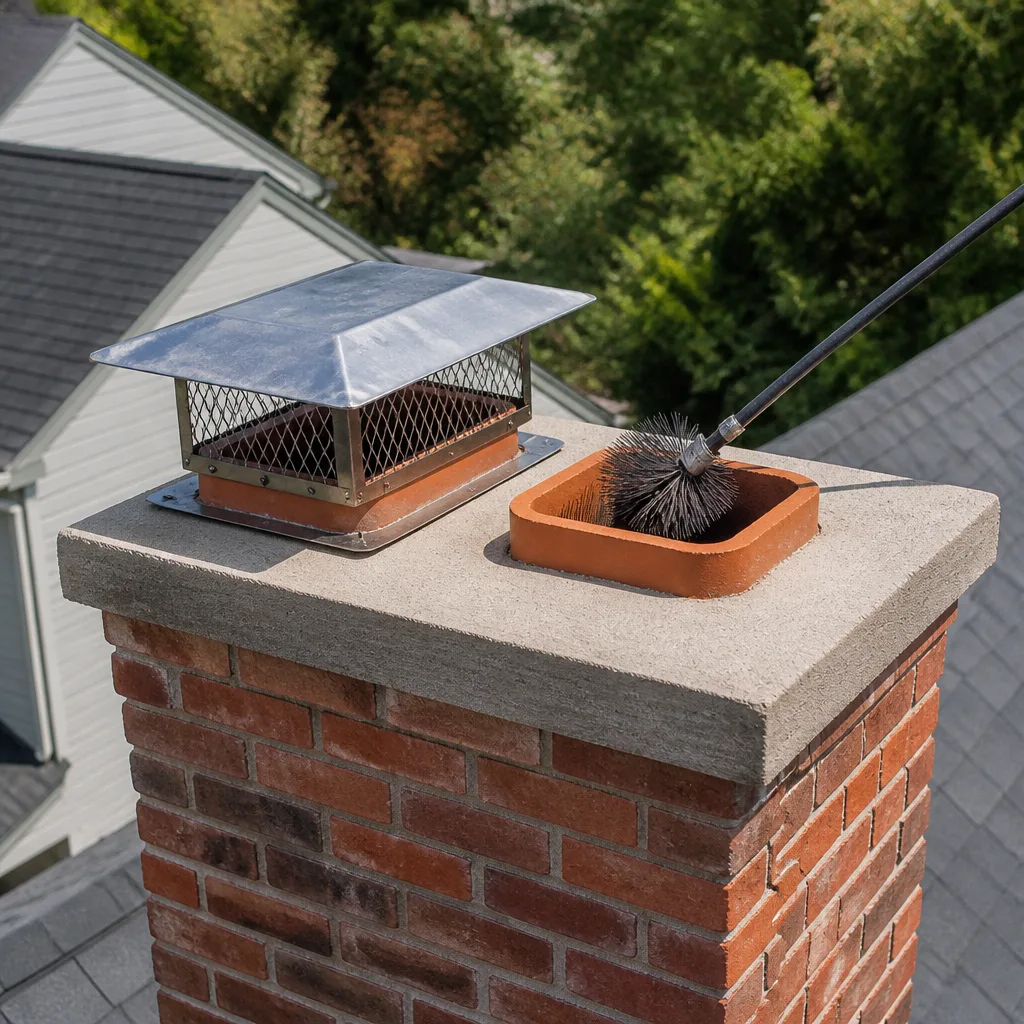 Sweep & inspection
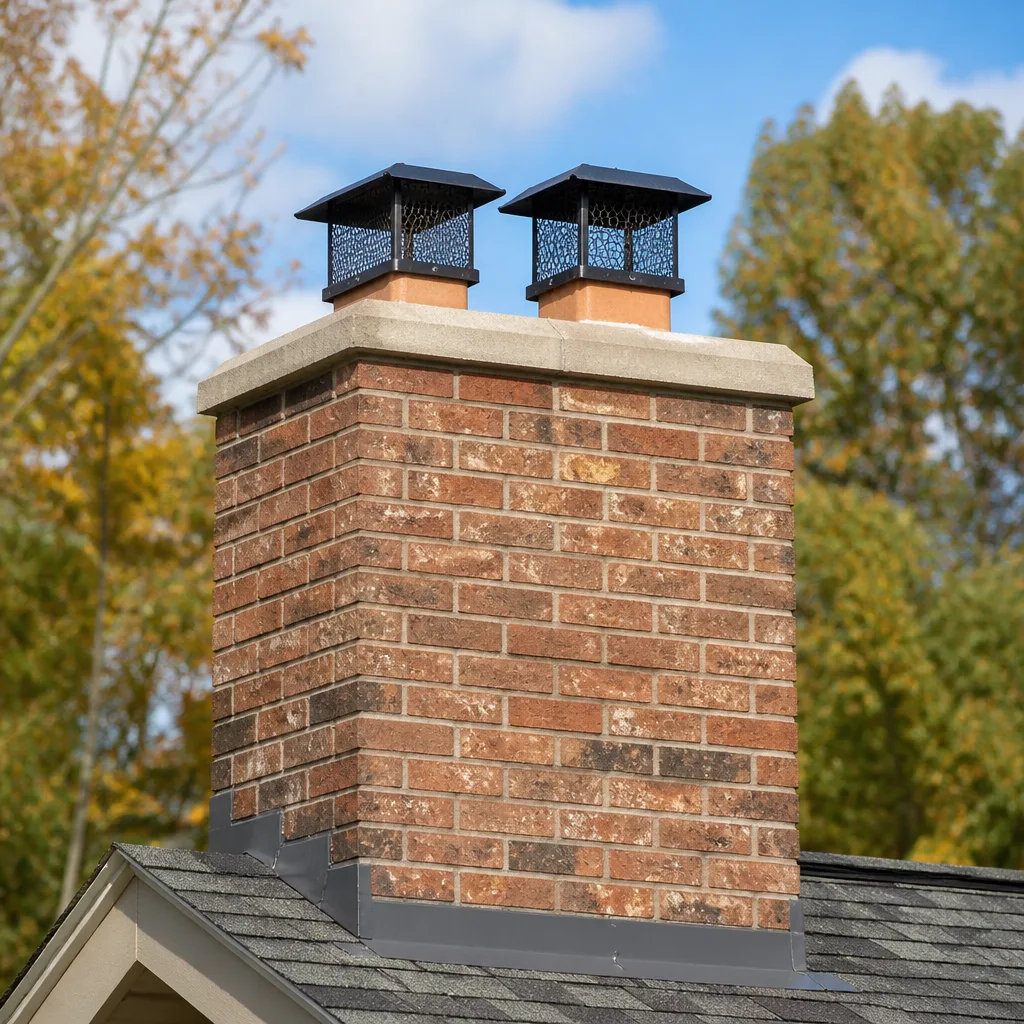 Caps & crowns
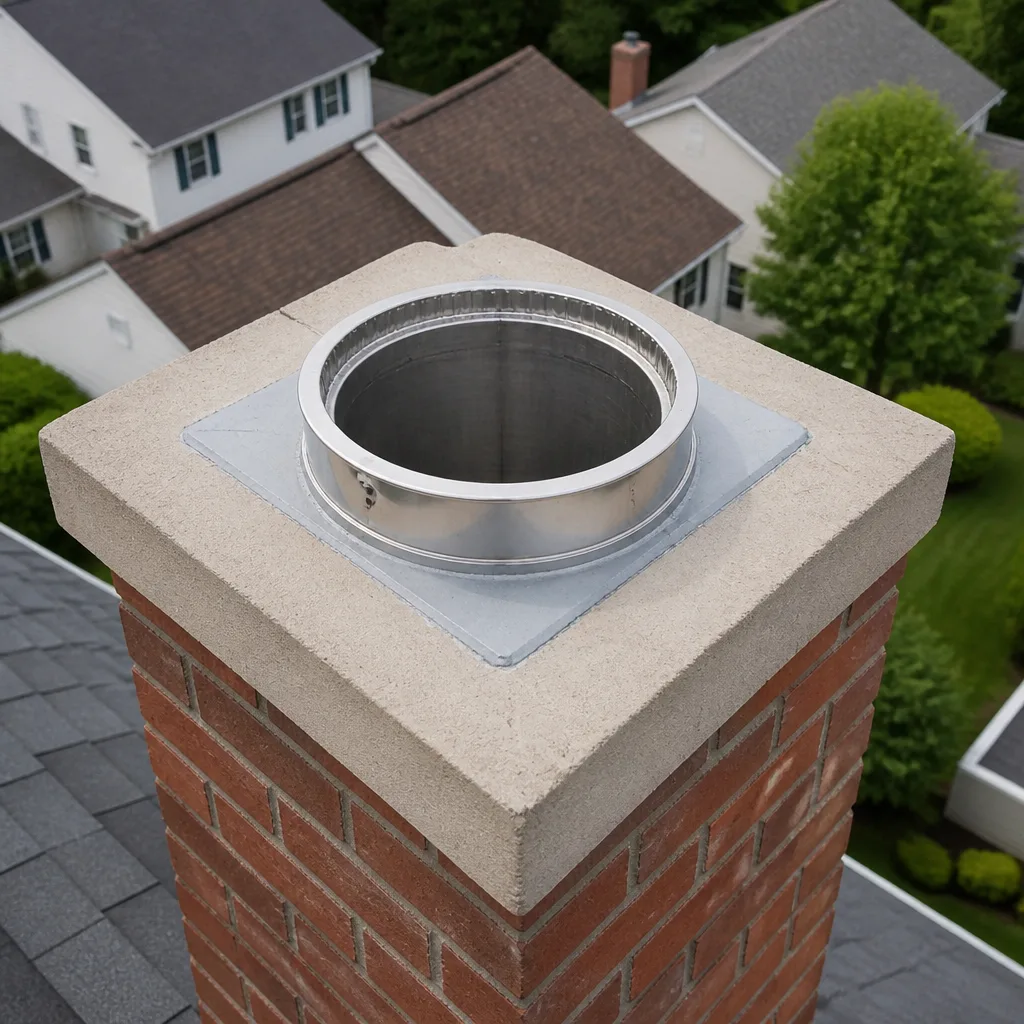 Flue relining
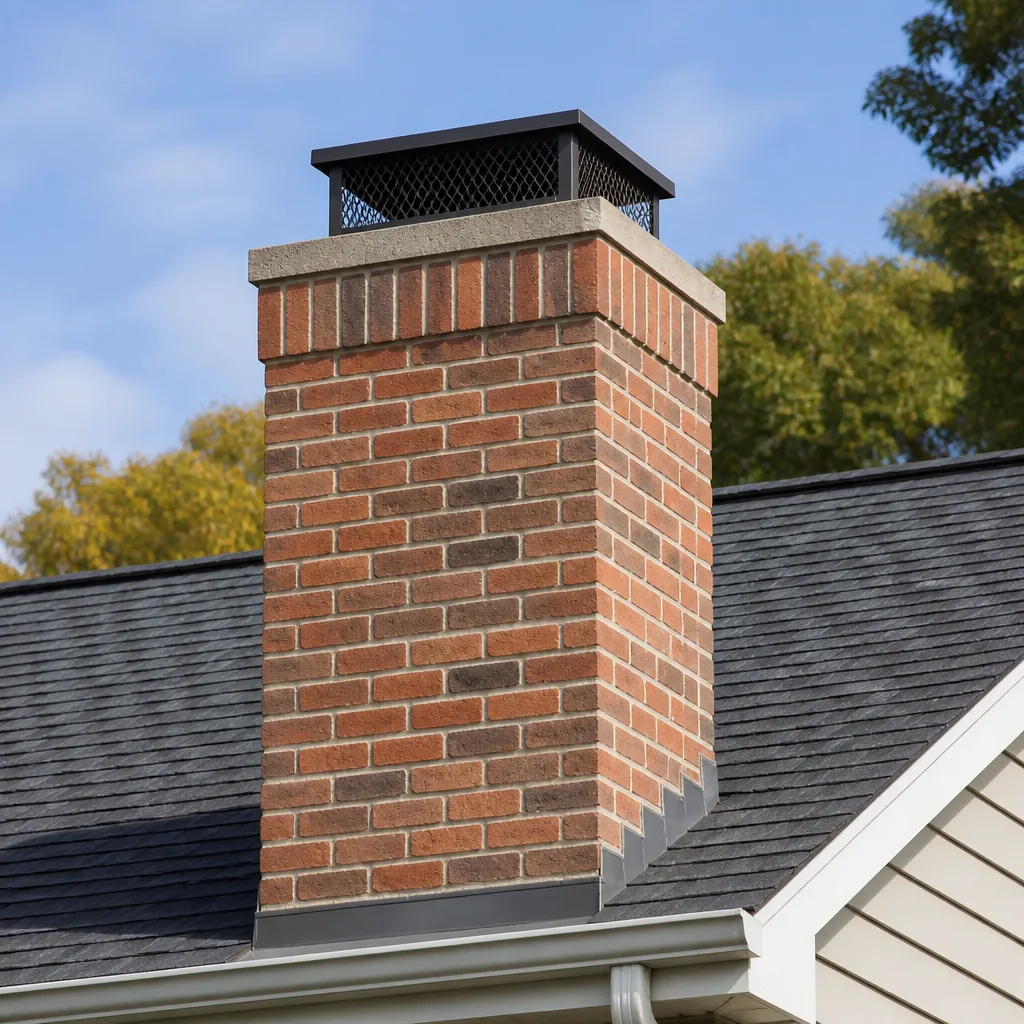 Masonry repair
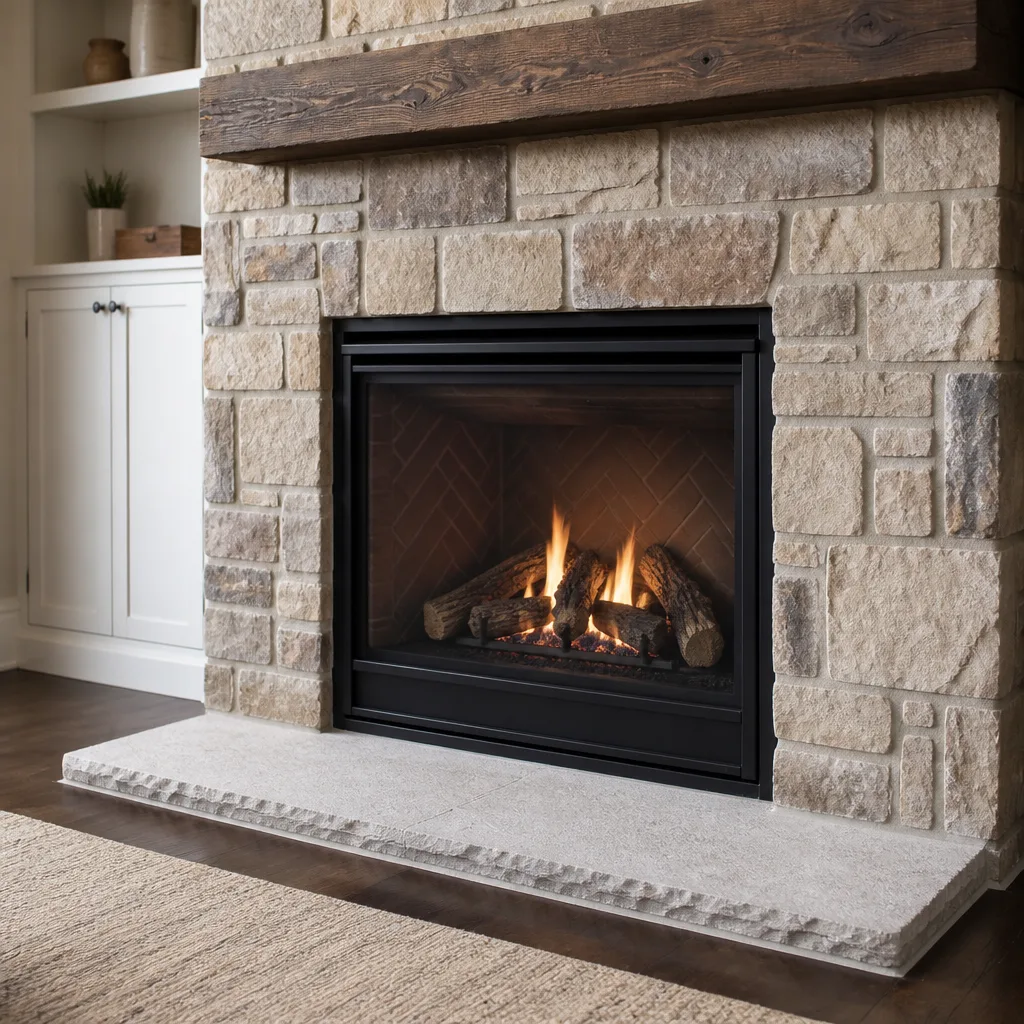 Gas fireplace service
Level 1 sweep and inspection to the NFPA 211 annual standard - flue, crown, cap, and flashing checked and photographed
Chimney sweep logs do not sweep chimneys. They loosen some creosote - which then falls where a brush and vacuum still have to collect it.
Choosing the Right Chimney Cleaning Brand: A Buyer’s Guide for Clear Lake
Creosote removal logs are the supplement aisle of the chimney world. They’re not harmful, and they do a little of what they advertise, but a homeowner who burns one every few weeks and skips the mechanical sweep is managing a risk they think they’ve eliminated. That’s the trouble with chimney products in general: the category is crowded with things that look like maintenance and aren’t. Clear Lake sits in Gulf Coast humidity with mild winters and a long, hot off-season, and the products that hold up here are not always the ones formulated for a cold, dry climate up north. This guide covers the product categories that actually matter, what to look for in each, and how to tell a contractor with real material standards from one who buys whatever’s cheapest.
Quick Answer
The chimney cleaning products that matter most are the brush matched to your flue liner material, a cap or chase cover built for humid air, and sealants rated for thermal expansion rather than hard frost. Chemical creosote treatments are a supplement to mechanical sweeping, never a replacement. And the brand of materials a contractor specifies tells you more about the quality of the work than the labor rate does.
Styles & brands we work with
- Sweep & inspection
- Caps & crowns
- Flue relining
- Masonry repair
- Gas fireplace service
Table of Contents
- Why Brush Material Matters More Than Brush Brand
- Sealants and the Thermal Cycling Problem in Clear Lake
- Evaluating Caps and Chase Covers for Humid Air
- Chemical Creosote Treatments: Real Chemistry vs. Marketing
- Why the Contractor’s Material Standards Matter
- What to Ask Before You Authorize Repair Work
- Liner Brands and Resurfacing Products Worth Knowing
- What Makes Clear Lake Different for Chimney Products
Why Brush Material Matters More Than Brush Brand
The single most consequential chimney cleaning product decision is the brush, and it has almost nothing to do with the name on the handle. It’s about what the bristles are made of and what your flue liner is made of. Get that pairing wrong and a sweep becomes a slow abrasion problem that shortens the life of the liner. Get it right and the brush lifts creosote without cutting into the surface underneath.
There are three functional families of chimney brush, and each suits a different flue:
- Polypropylene brushes. Stiff synthetic bristles that work well on stainless steel liners and factory-built chimney systems. They lift glazed creosote without scoring metal. This is the standard brush for most modern liner installations.
- Wire brushes. Aggressive and effective on heavy, baked-on creosote, but they can scratch stainless and will damage softer surfaces. Wire is a tool for masonry flues in rough condition, used with judgment, not a default.
- Horsehair and soft-bristle brushes. For clay tile liners that are older or already worn, and for any surface where a stiff brush risks enlarging cracks. Gentle, but they need more passes to do the job.
Masonry flues with clay tile liners are the most common older setup around Clear Lake, and they change the calculus. A wire brush on sound clay is fine; a wire brush on a tile with hairline cracks can turn a small problem into a real one. That’s why a professional sweeps with more than one brush on the truck and chooses based on what the flue inspection reveals. It’s also why a homeowner who buys a single wire brush online and runs it down the flue is often doing more harm than good. If you want the job done once and correctly, a professional chimney sweep matches the brush to the liner.
Sealants and the Thermal Cycling Problem in Clear Lake
Sealant is where climate actually enters the conversation, and it’s the product category most often bought wrong in this part of Texas. Sealants fail for two reasons: they can’t flex with the structure, or they can’t handle moisture. In a cold northern climate the dominant failure mode is hard frost cracking a rigid seal. On the Gulf Coast the dominant failure modes are expansion and humidity, and a sealant formulated for the first problem may not survive the second.
Here’s how to think about the categories:
- Mortar-based crown and flashing repair. The traditional approach, and the right one for structural gaps. Crown repairs and flashing seals that need to hold a joint together are mortar and masonry work, not caulk work.
- Elastomeric and polyurethane sealants. These flex. A flexible sealant is what you want at the point where the chimney meets the roof, or where a cap meets the flue, because those are the joints that move as the masonry warms and cools across a Clear Lake year.
- Rigid, high-modulus sealants. Strong but unforgiving. They can crack under repeated expansion and contraction, which is exactly what happens on a chimney that sees hot flue gas during the burn season and warm ambient air the rest of the year.
A sealant rated only for cold-weather application is a mismatch here. Look for products specifically designed to maintain flexibility across thermal cycles, and ask a contractor what they’re using and why. In our experience, the sealant on the truck is a decent proxy for whether the rest of the repair work was specified with judgment or just assembled from whatever was in stock. Clear Lake homes have modest chimneys that take a lot of thermal movement; the wrong sealant fails within a season or two, and the leak comes back.
Evaluating Caps and Chase Covers for Humid Air
A chimney cap does three jobs: it keeps rain out, it keeps animals out, and it keeps sparks in. In Clear Lake, the first job is the one that decides whether the cap lasts. Humidity is relentless through the burn season and into the summer, and a cap that rusts through in a few years is worse than no cap at all because it disguises the failure until water has already gotten in. Proper chimney cap & crown work starts with the right material, not the right size.
What to evaluate before you authorize a cap or chase cover:
- Material grade. Stainless steel caps outlast galvanized steel caps by a wide margin in humid air. The cost difference is modest and the lifespan difference isn’t. Galvanized is a budget choice with a short clock.
- Coating quality. Powder-coating and baked-on finishes hold up better than a thin paint coat. Powder-coating resists scratching and stands up to repeated moisture far better than liquid paint.
- Fabrication details. Spot-welded seams are where rust starts. Look for welded or heavy-gauge construction at the joints, and for a louvers-and-mesh design that lets smoke vent while blocking rain.
- Fit and attachment. A cap that’s too small or loosely attached rattles, shifts, and lets water in at the edges. Proper sizing to your flue is part of the installation, not an afterthought.
- Chase cover construction. For a factory-built chase, the cover over the top of the chase is the water barrier. A poorly finished cover is a leak waiting to happen, and the material grade matters just as much as it does for the cap.
Ask what grade of stainless and what finish the cap or cover is, and don’t accept “heavy-duty” or “best quality” as an answer. The brand name on the cap matters less than the metallurgy and the seams. A professional specifies by material because what goes into your chimney matters.
Chemical Creosote Treatments: Real Chemistry vs. Marketing
Chemical creosote treatments are the supplement aisle, and it’s worth being honest about what they can and can’t do. Some are legitimate maintenance aids. A treatment that chemically changes the structure of creosote so that it crisps and flakes more readily can make a subsequent mechanical sweep more effective, especially in a flue that’s been burned hard. That’s real chemistry and it has real value.
Others are marketing without meaningful chemistry. The category has plenty of products that claim to “remove creosote” when what they actually do is deposit a harmless powder in the flue and give the homeowner a sense of action. That’s not harmful in itself, but a homeowner relying on it in place of a sweep is managing a risk they think they’ve resolved, and the sweep gets postponed by another season.
How to tell the two apart:
- Look for a stated active ingredient and a mechanism. Products that describe how they change creosote behave differently from products that describe vague cleaning power.
- Treat them as a pre-sweep aid, not a substitute. A quality treatment is applied before a sweep, not instead of one. Nothing you pour down the flue removes a heavy creosote deposit without mechanical removal.
- Ask about the stage of creosote. Stage 1 creosote flakes off with brushing. Stage 2 is sticky and needs a different approach. Stage 3 is glazed and hard and is the condition that raises fire risk most. A treatment’s usefulness depends entirely on which stage you’re dealing with, and no bottle knows that without an inspection.
- Be skeptical of “no sweep needed” claims. If a product promises that it replaces the mechanical sweep, that’s a red flag about the product, not a shortcut.
The honest answer for most Clear Lake homeowners is that a sweep, done on schedule, handles creosote removal without chemical help. A treatment becomes useful when a flue is heavily loaded and the sweep needs a second pass. That’s a decision a professional makes after a look inside, not one a homeowner should make from a package label.
Why the Contractor’s Material Standards Matter
Here’s the part most buyer’s guides skip. The materials a contractor puts into your chimney decide how long the repair lasts. Labor can be excellent and the job still fails in three years if the sealant was wrong, the cap was thin, or the liner was an unnamed off-brand. So when you’re evaluating a chimney company, you’re also evaluating their material standards, and that means asking specific questions.
What good material standards look like in practice:
- Specified by name. A contractor who uses professional-grade product lines can tell you exactly which ones and why. We specify materials by name because what goes into your chimney matters: DuraFlex liner systems, HeatShield resurfacing, Gelco and Famco ventilation components, Olympia Chimney parts, and Copperfield specialty supplies. These are the brands the trade trusts, not anonymous materials sourced by price.
- Matched to the job, not the invoice. A flexible stainless liner is right for one flue and wrong for another. A contractor who specifies from a range of products can match the material to the flue condition instead of forcing one product onto every job.
- Repair capability behind the sweep. A company that only sweeps can flag a problem but can’t fix it. That’s a structural limitation, and it shows up in the materials they carry. A full-service chimney company sweeps, inspects, and repairs with the same material standards from start to finish. You don’t want to be referred out mid-project to a different contractor with different products. That’s why fireplace repair and cap work sit in the same service relationship as the annual sweep.
These aren’t sales points. They’re the questions that separate a specialist from a generalist. A single-trade chimney company builds depth because every technician works chimneys and fireplaces exclusively; a general home-services company spreads that attention across HVAC, roofing, and a dozen other trades. The materials tend to follow the focus. Our technicians have up to 15 years of experience working on chimneys specifically.
What to Ask Before You Authorize Repair Work
Authorizing chimney repair feels high-stakes because it’s hard to verify. You can’t see inside your own flue, and you’re being asked to trust a diagnosis you have no way to check. That’s the core hesitation, and it’s fair. The answer isn’t to distrust everyone; it’s to ask the questions that make the diagnosis verifiable and the material standards explicit.
Run through this list before you say yes to any repair:
- Can I see the evidence? A camera inspection with photos you can look at is the baseline. Ask to see what the technician saw. If the recommendation rests on a condition you can see in the photos, you can judge it.
- What exactly will be installed, by brand and grade? Not “a stainless liner” but which liner system. Not “a good cap” but which material and coating. If they can’t name it, that tells you something.
- Why this product for this flue? A liner recommendation should follow from the flue’s material and condition. A one-size answer for every chimney is a warning sign.
- What happens if I wait? Sometimes work can safely wait a season. A contractor who says so is giving you information, not losing a sale. Ask directly and listen for a straight answer.
- Is this a repair or a replacement, and why? Resurfacing can restore a flue’s integrity without a full rebuild; HeatShield application is a repair-tier solution that extends chimney life and is a sound alternative most competitors can’t offer. Make sure you’re being told why a full rebuild is the necessary answer and not just the easier one to price.
- Will the written estimate set the final price? Get the scope and the material specification in writing before work begins. The estimate is free and the price is set per job by the written estimate, so the written scope is the document that protects you.
None of these questions are unusual, and a professional expects them. If a contractor gets defensive about naming materials or showing photos, that’s your answer about whether to proceed.
Liner Brands and Resurfacing Products Worth Knowing
Liner and resurfacing products are the highest-stakes materials in chimney work, and the brand names in this space are a reasonable starting point for a conversation with a contractor. Knowing the categories makes that conversation more useful.
Flexible stainless liner systems. DuraFlex is the kind of product a chimney specialist turns to for relining jobs where a flexible, insulated stainless liner is the right answer. What matters isn’t the name alone but that the liner is sized, insulated, and installed the way the manufacturer intends. A poorly installed quality liner fails like a cheap one.
Resurfacing products. HeatShield is the name most associated with flue resurfacing, a process that reapplies a ceramic-like surface to a damaged masonry flue rather than demolishing and rebuilding the chimney. It’s a repair-tier solution and it has limits; it’s not appropriate for a flue with certain structural failures. But when it’s appropriate, it restores integrity without full demolition, and that’s a meaningful option to have. Being HeatShield-qualified is a real specialization, not just a logo on a website.
Ventilation and specialty components. Gelco and Famco both make ventilation components, and Olympia Chimney and Copperfield supply specialty parts. These are the connective tissue of a chimney system: the caps, dampers, and fittings that hold the installation together. Specifying professional-grade components throughout is what separates a repair that lasts from one held together by whatever a hardware store had on the shelf.
The takeaway isn’t to memorize brand names. It’s that a contractor with specific, named product lines has thought about materials, and that’s the standard you’re paying for. Clear Lake chimneys get a lot of annual use without the deep-cold stress of northern climates, and the right materials for this market are not always the products marketed hardest to the national audience. If you’re weighing whether a repair is necessary, an inspection is a documented condition assessment you can act on and share with your insurer or a real-estate transaction.
What Makes Clear Lake Different for Chimney Products
Clear Lake has a climate that sits in the humid, mild-winter category, and that changes the product priority list. Winters don’t deliver hard, sustained freezes, so the most common product failure here isn’t frost damage to a rigid seal. It’s the slower corrosion and moisture damage that comes from humidity, expansion, and cycling between hot flue gas during use and warm ambient air in the off-season. That profile favors flexible sealants, stainless caps, and coatings that resist moisture rather than brittle products designed for deep cold.
Clear Lake homes also tend to have granite, masonry, and pre-fabricated fireplaces layered into the housing stock, which means the flue materials vary a great deal from one home to the next. A brush that’s right for a stainless factory-built liner is wrong for an older clay tile flue. That makes the inspection-before-sweep sequence more important here, not less, because the product decisions depend on what’s actually in the flue.
Local code matters too. Chimney work around Clear Lake follows standard construction and fire code, and most repair work of any scope goes through your local building department’s permitting process. If you’re planning structural work, ask your city’s building department what requires a permit before you authorize the job. A professional will know the local requirements and won’t object to the question.
The Clear Lake point is simple: this is a market where humidity and material variety, not extreme cold, drive the product decisions. That’s why a national product recommendation doesn’t translate here without a look at the individual flue. Our technicians have up to 15 years of experience with flue materials in this climate, and the materials we specify reflect that.
Common Mistakes to Avoid
- Treating a creosote removal log as a substitute for a sweep. The log can help a sweep do its job better; it can’t do the sweep’s job. Homeowners who rely on it often go a season or two longer than they should between mechanical cleanings.
- Buying a wire brush online and running it down the flue. Wire on a worn clay tile can enlarge cracks and damage the liner. The brush has to match the flue material, and that’s a judgment call a sweep makes after looking inside.
- Buying a cap on price alone. A galvanized budget cap rusts through in a few years in Clear Lake humidity, and a rusted cap can let water in while looking like it’s doing its job. Stainless and quality coatings are worth the modest difference.
- Buying a sealant rated for cold climates. A rigid, cold-weather sealant can crack under the thermal expansion a Clear Lake chimney sees. Ask for a flexible sealant designed to hold across the temperature swings this region actually has.
- Authorizing liner or resurfacing work without knowing the material. “A stainless liner” isn’t a specification. Ask for the product name and the grade, and get it in the written estimate before work starts.
- Skipping the inspection to save a step. The sweep, the brush choice, the sealant choice, and the repair decision all depend on what’s in the flue. An inspection is the cheap part of the process and it’s the one that prevents the expensive mistake.
- Accepting a repair recommendation without photos. You can’t verify a diagnosis you can’t see. Camera inspection photos let you check the recommendation against the condition, which is the whole point of a documented assessment.
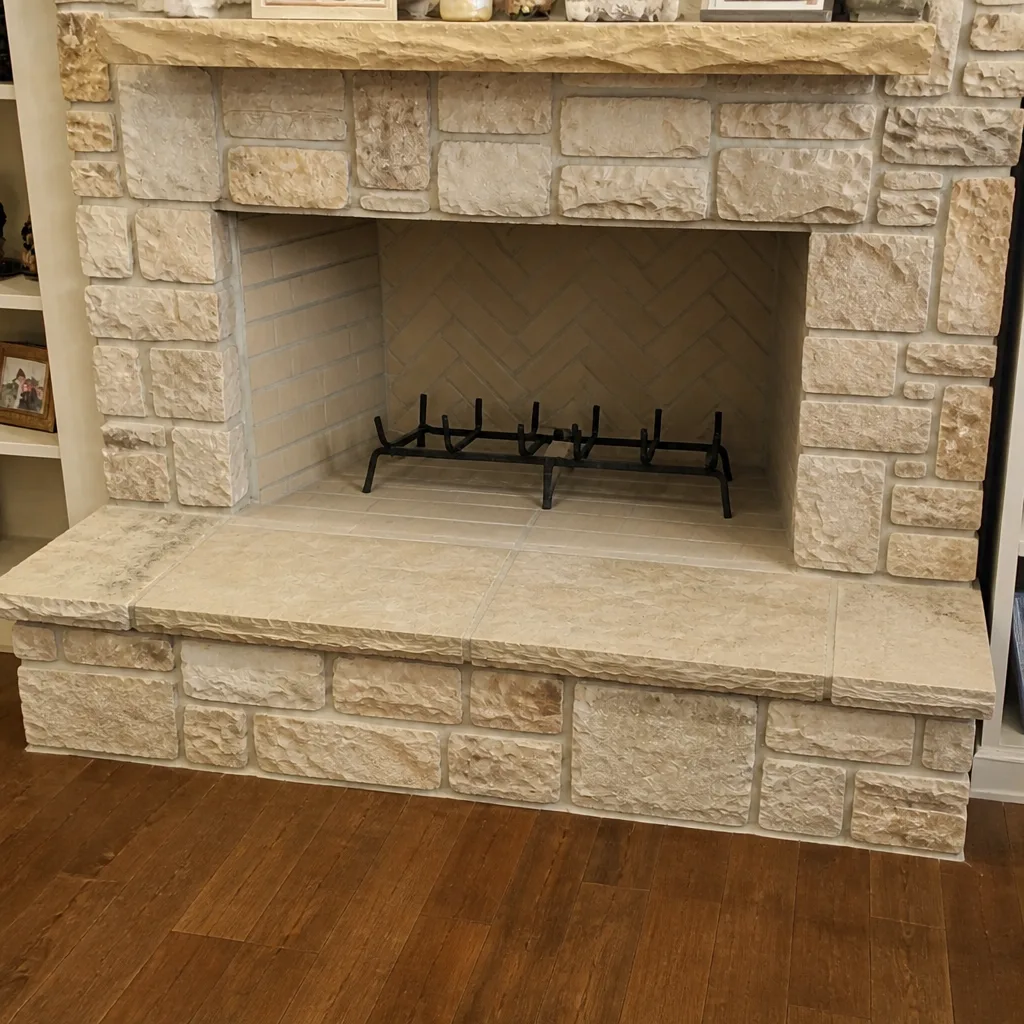
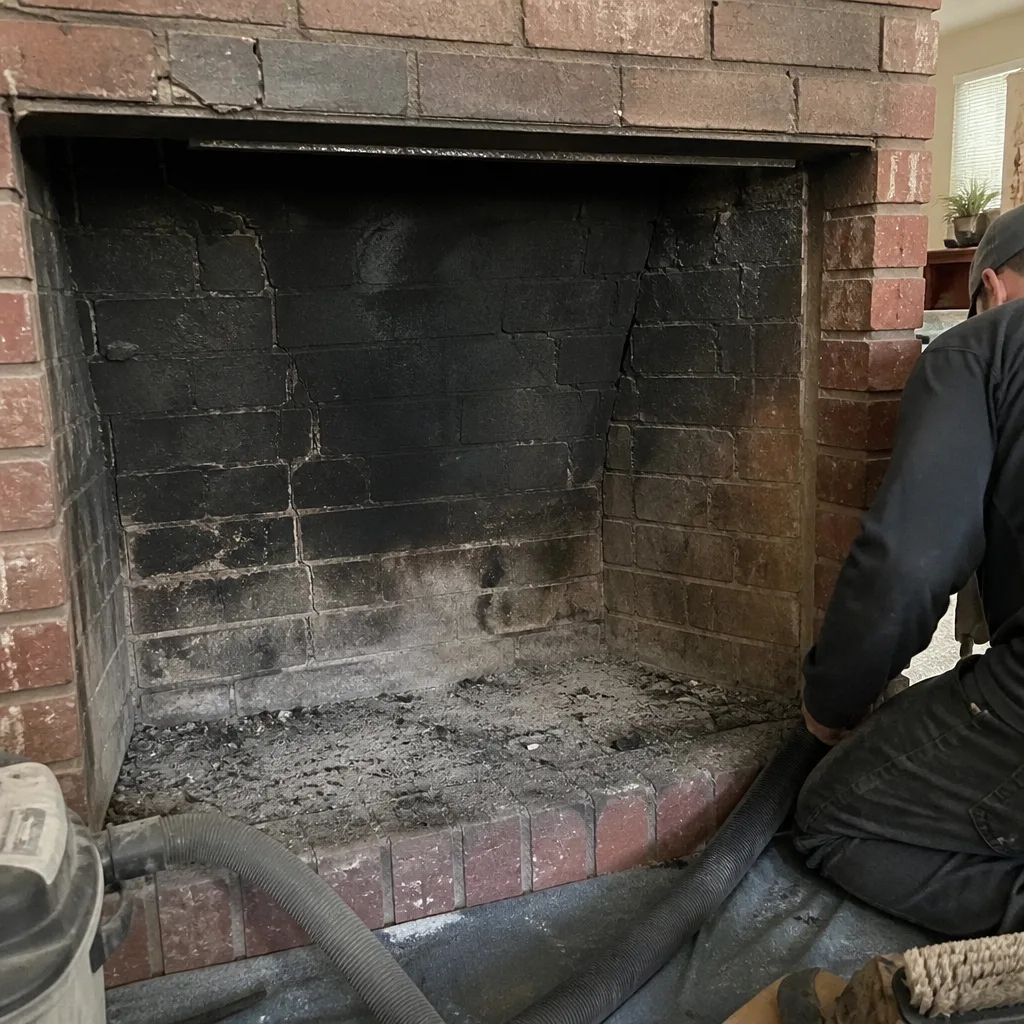
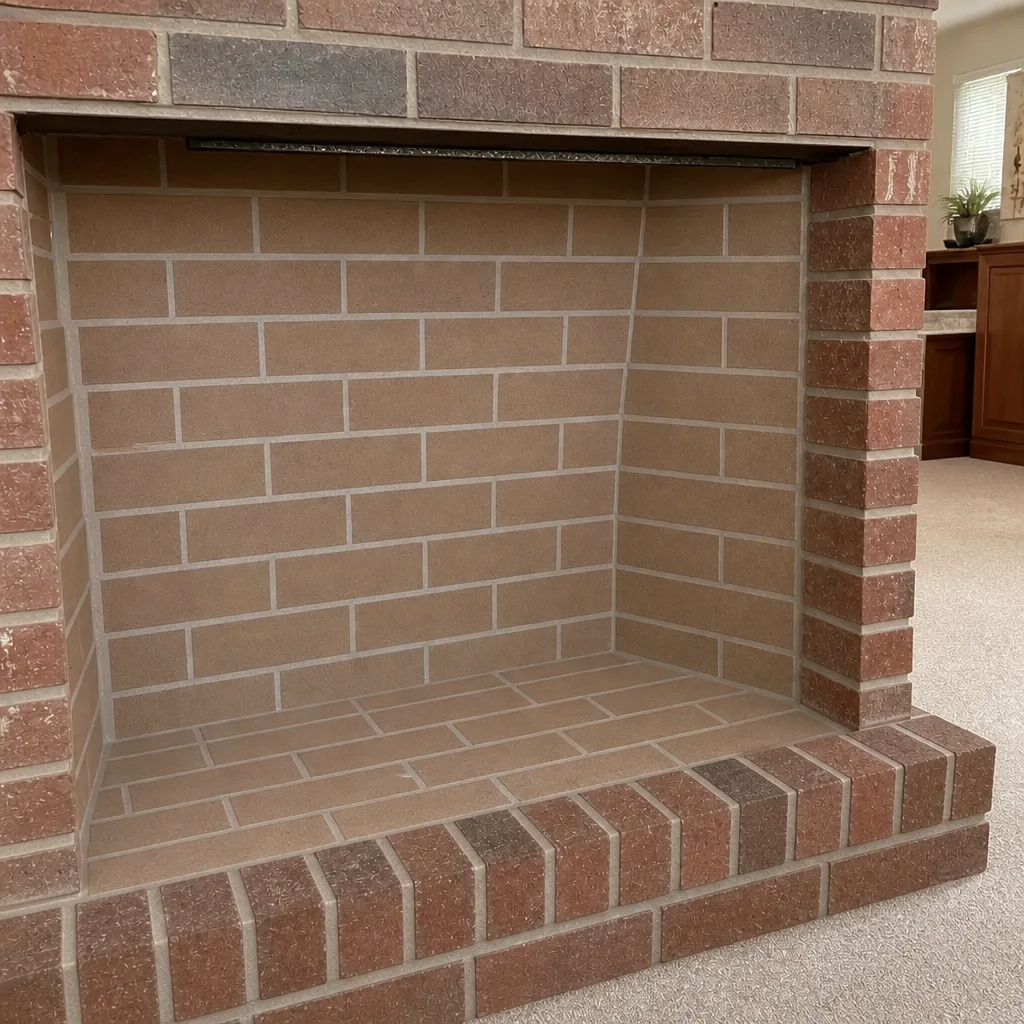
See the difference
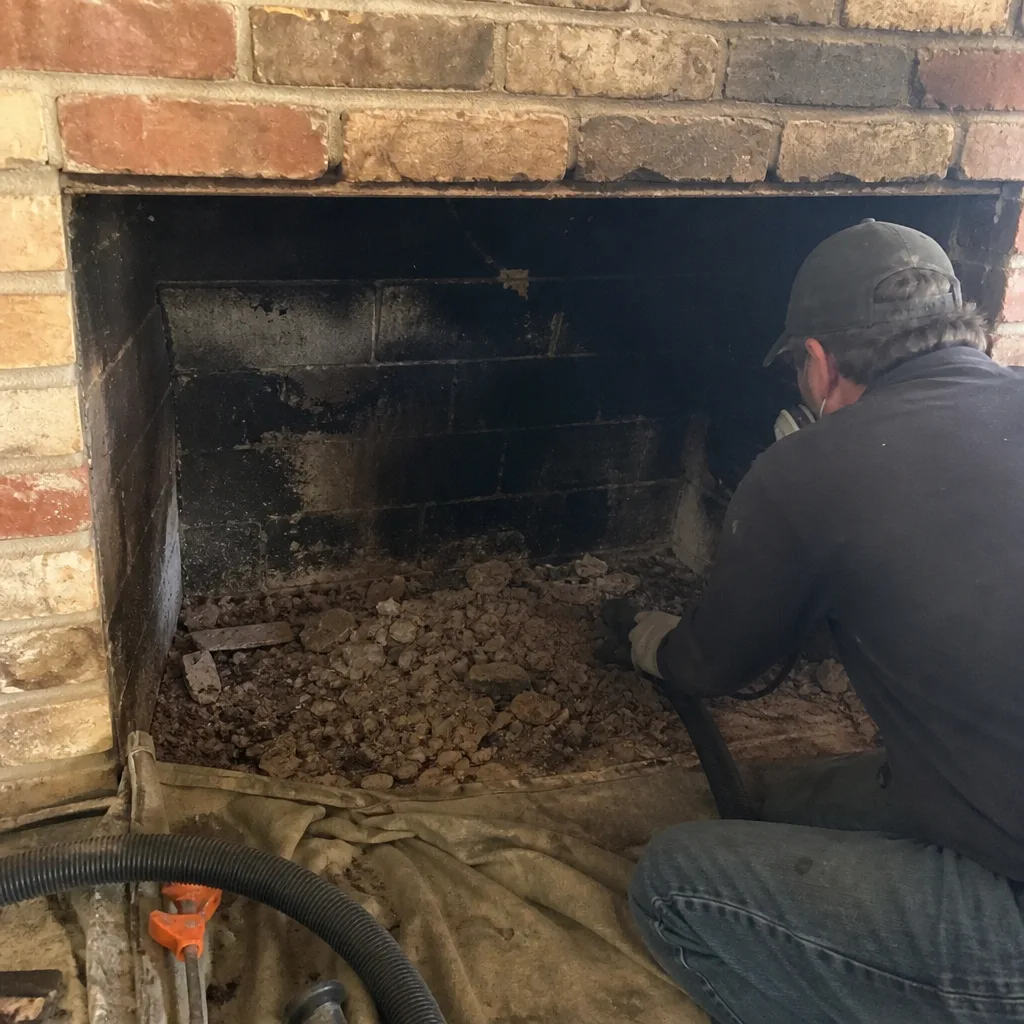 Before
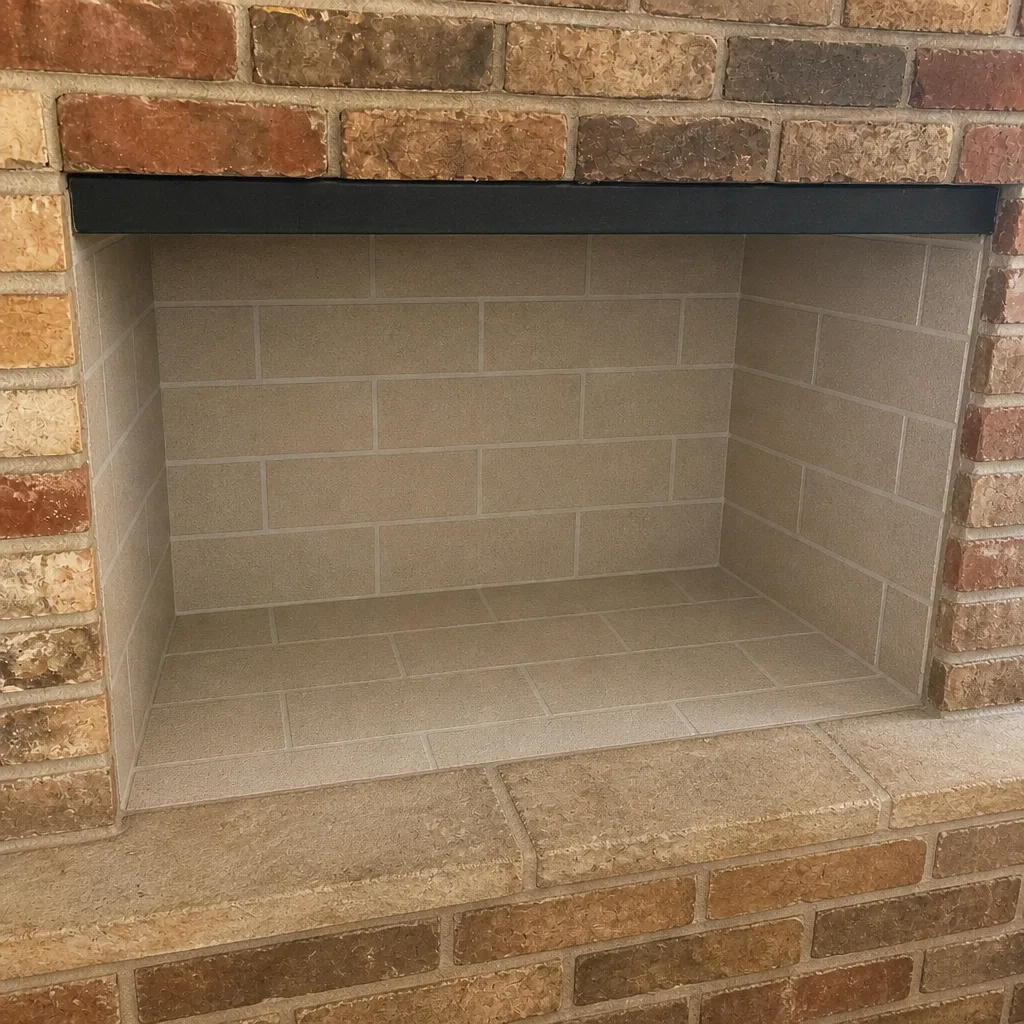 After
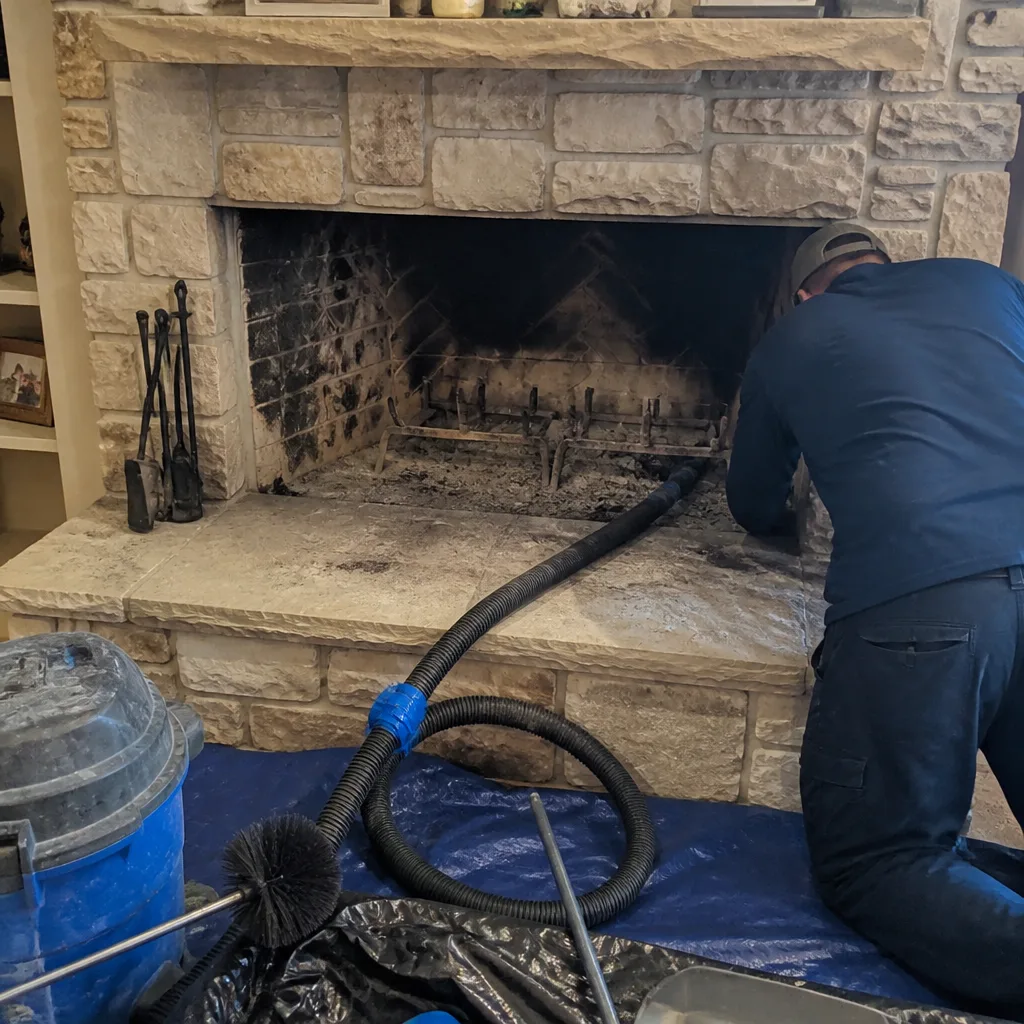 Before
 After
 Before
 After
When to Call a Professional
Some product questions are homeowner questions, and some aren’t. Buying a brush to lift light surface soot is one thing; choosing the right brush for a worn clay tile flue is another. If you haven’t had a sweep in a while, if the fireplace smells after rain, if smoke rolls back into the room, if you see rusty streaks on the cap or chase cover, or if you’re buying or selling a home and need a documented assessment, that’s a professional call. Heavy or glazed creosote, a damaged cap, a sealant that’s failed at the flashing, or a flue you can’t see well enough to judge is not a do-it-yourself job. Chimney work involves heights, confined spaces, and combustion byproducts; a trained professional is the right person to look inside and advise. Chimney Sweep Clear Lake offers free estimates in Clear Lake and the surrounding area, and the assessment is documented with camera photos you can see. Call (855) 726-7805 to book one.
Frequently Asked Questions
The ones matched to your flue: the right brush for your liner material, a stainless cap or chase cover that holds up in humidity, and a flexible sealant rated for thermal expansion. That’s the short list. Chemical creosote treatments can help before a sweep, but they don’t replace the mechanical cleaning, and no product does the job better than a proper sweep with the right materials.
They can be, if you use them as a supplement to a real sweep. A quality treatment can make creosote more brittle and easier to remove on the next pass. They’re not worth relying on as a substitute, and a homeowner who uses one every month to avoid a cleaning is managing a risk they think they’ve handled. Call (855) 726-7805 if you’re not sure which stage of creosote you’re dealing with.
Stainless steel, with a quality coating, for anything in this climate. Galvanized steel caps don’t hold up to Clear Lake humidity the way stainless does, and the difference in lifespan is large relative to the difference in cost. Ask the contractor for the grade and finish specifically, and look at the seams, because spot-welds are where rust starts.
It’s usually a mismatch between the sealant and the thermal cycles the chimney actually sees. A rigid or cold-climate formulation can crack as the masonry expands and contracts across a Clear Lake year. A flexible sealant designed for thermal movement holds much better. If a sealant has failed once, the fix is often the right product, not more of the same one.
It depends on what the inspection shows, and that’s why the answer has to be evidence-based. Resurfacing with a product like HeatShield can restore some damaged masonry flues without a full rebuild, which is a repair-tier option worth considering. A flue with certain structural failures needs a full liner instead. Don’t authorize either without seeing the camera photos and asking why the recommendation is what it is. Call (855) 726-7805 for an inspection first.
Professional-grade names like DuraFlex, HeatShield, Gelco, Famco, Olympia Chimney, and Copperfield are the kind the trade trusts. But the name alone isn’t the point. Ask why that product for this flue, and get the specification in the written estimate. A contractor who can explain the choice is a contractor who’s thought about materials, and that’s the standard to hold them to.
The Bottom Line
Chimney cleaning products are a bigger part of chimney safety than most homeowners realize, and the categories matter: the brush matched to your flue, the stainless cap that survives humidity, the flexible sealant that moves with the chimney, and the chemical treatments that help a sweep instead of replacing one. The real signal of quality, though, is the contractor’s material standards. When someone can name what they’re installing, explain why for your flue, and show you the camera evidence behind the recommendation, you’re dealing with a specialist. Chimney Sweep Clear Lake takes that approach to every job: inspection first, materials specified by name, and repair capability behind the sweep. If you’re ready to know exactly what’s happening inside your chimney, or to schedule a Chimney Sweep Clear Lake visit, call (855) 726-7805. We answer 24/7. Fast dispatch from 7am to 7pm, Sunday through Friday. The estimate is free, the price is set per job by the written estimate, and you’ll see the evidence before you authorize anything.
Written by the team at Chimney Sweep Clear Lake.