
Last updated November 24, 2026
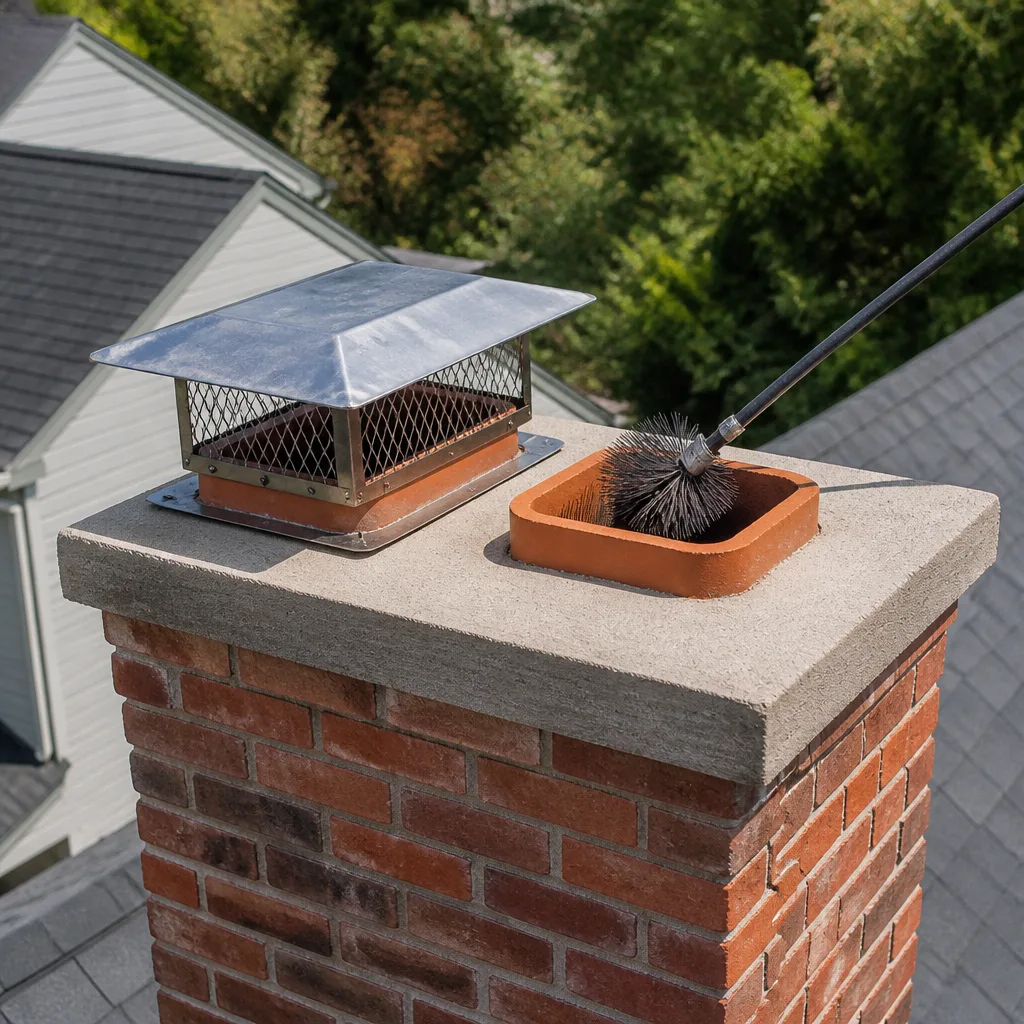 Sweep & inspection
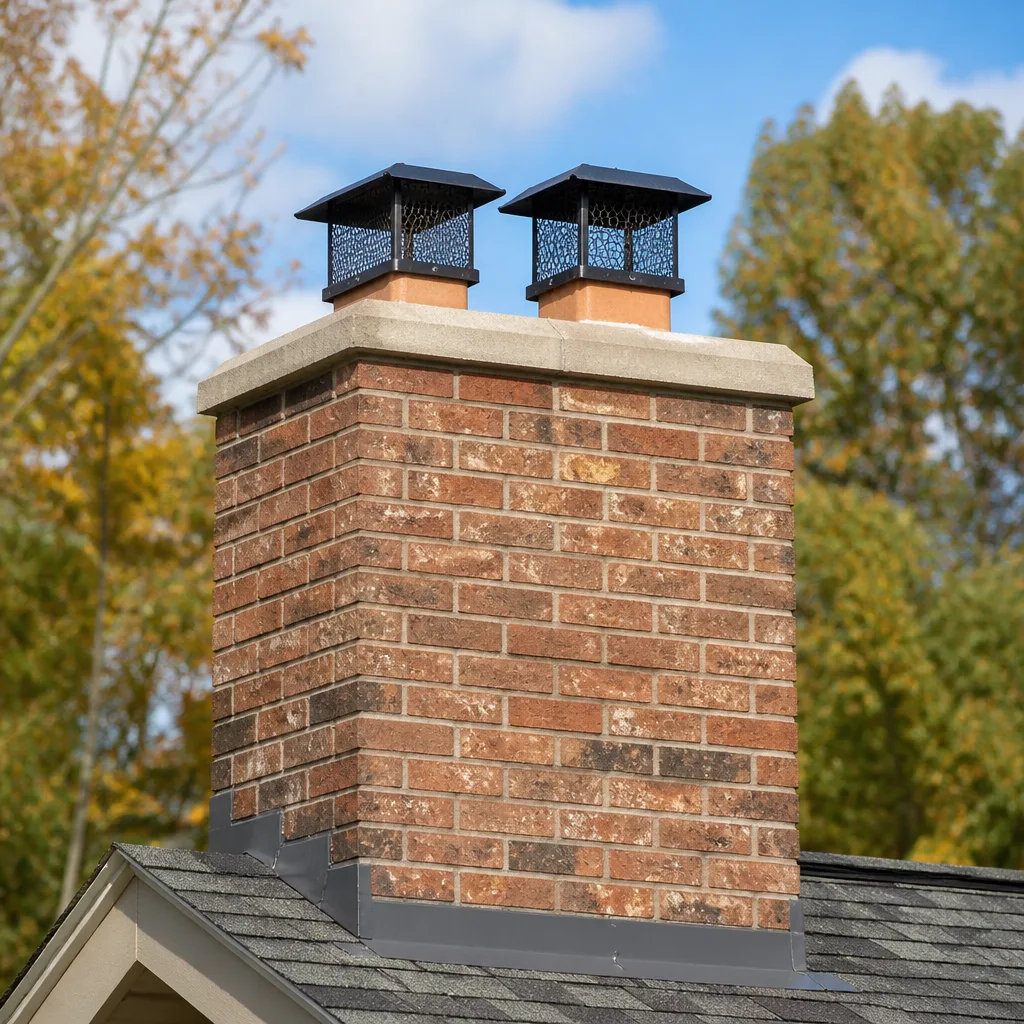 Caps & crowns
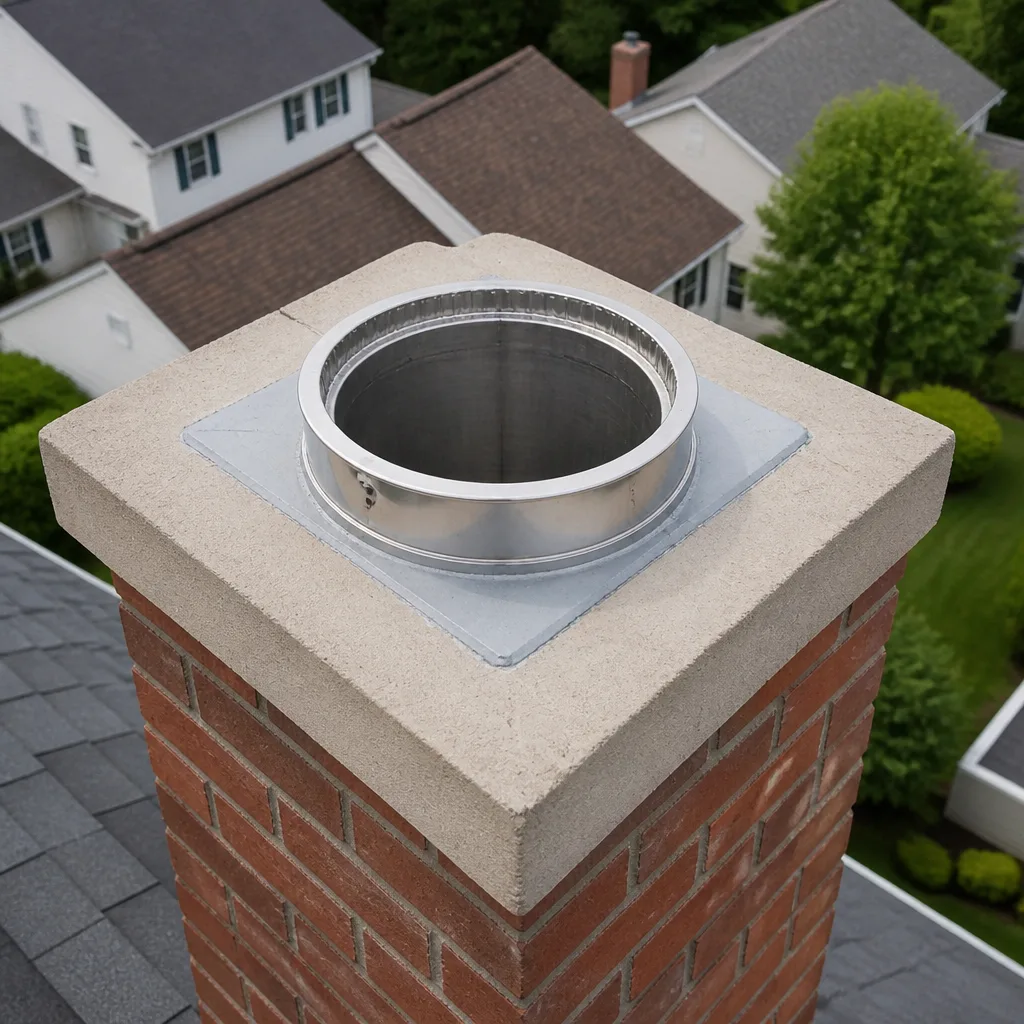 Flue relining
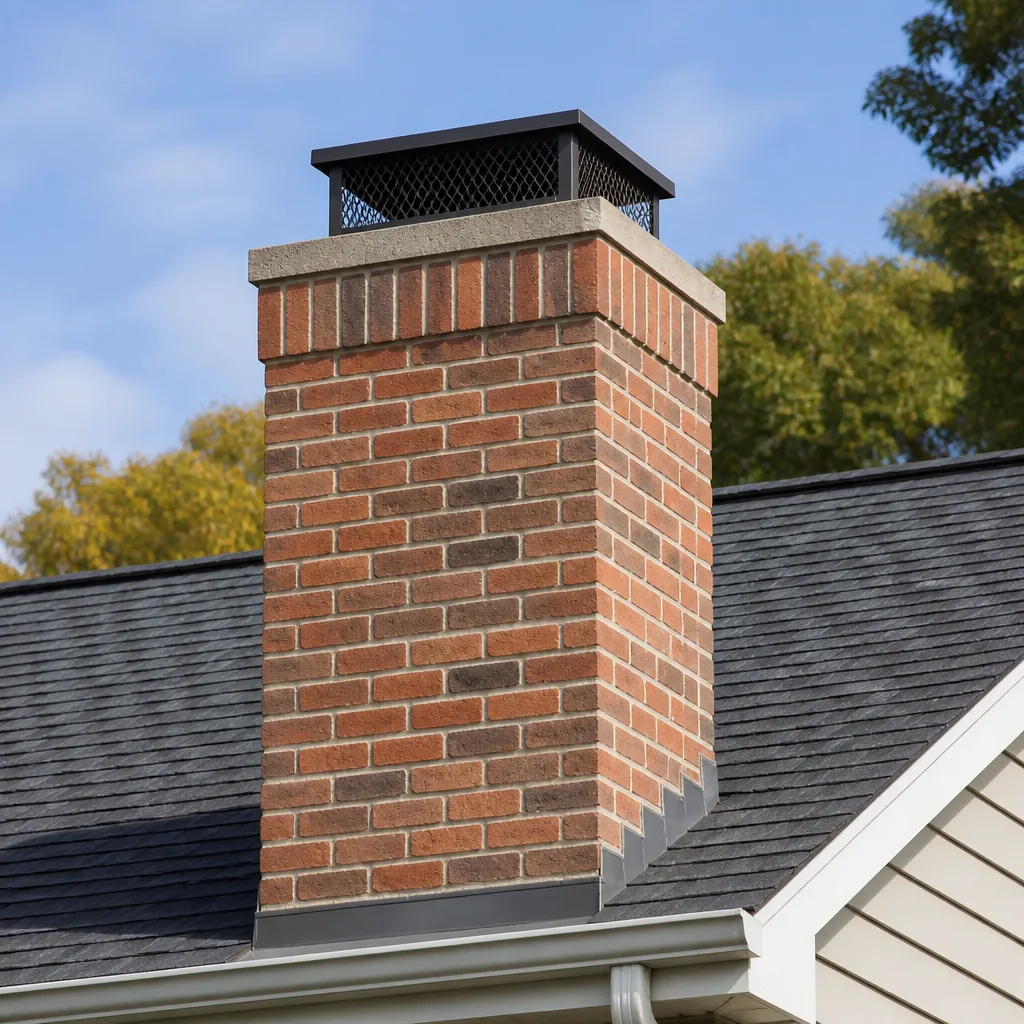 Masonry repair
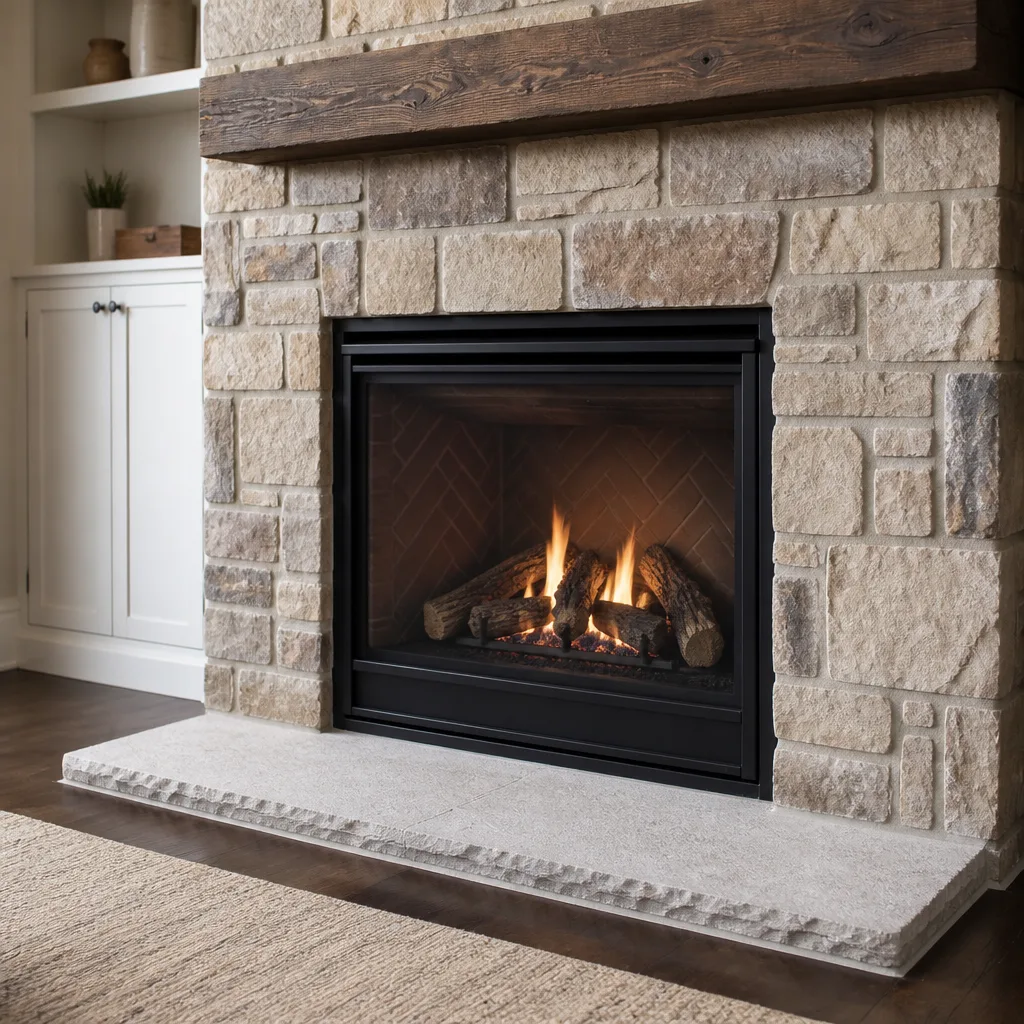 Gas fireplace service
Level 1 sweep and inspection to the NFPA 211 annual standard - flue, crown, cap, and flashing checked and photographed
Chimney sweep logs do not sweep chimneys. They loosen some creosote - which then falls where a brush and vacuum still have to collect it.
Seasonal Chimney Cleaning Care for Clear Lake: Year-Round Homeowner’s Guide
October in Clear Lake is when most homeowners think about their chimney for the first time all year. That’s also exactly why it’s the worst month to schedule a cleaning if you want it done right before the first fire. By the time the first cool front arrives, every sweep in the area is booked solid, and the inspection that might have caught a cracked crown back in May gets squeezed into a fifteen-minute window. A chimney isn’t a once-a-year appliance. It faces four different sets of conditions across a Clear Lake year, and each one leaves its own kind of wear. This guide walks through all four periods, what each one does to your flue, and the few tasks that actually matter in each.
Styles & brands we work with
- Sweep & inspection
- Caps & crowns
- Flue relining
- Masonry repair
- Gas fireplace service
Quick Answer
Seasonal chimney care in Clear Lake means matching your maintenance to the weather: checking the cap and crown after spring rains, inspecting the flue in late summer humidity, sealing up before tropical weather peaks in September, sweeping before first use in fall, and watching for partial-burn creosote during the short cool season. A single annual sweep is a floor, not a ceiling. Spreading a few checks across the year is what keeps a chimney sound instead of just clean.
Table of Contents
- Why Clear Lake’s Chimney Year Has Four Seasons, Not One
- Spring (March – May): What Gulf Rain Does to an Unprotected Chimney
- Summer (June – August): Humidity, Mortar, and the Case for an August Inspection
- September: Preparing Before Tropical Weather Peaks
- Fall (October – November): Pre-Season Sweep Timing
- Winter (December – February): Care for a System That Sees Occasional Use
- A Twelve-Month Chimney Checklist for Clear Lake Homeowners
- Common Mistakes to Avoid
- When to Call a Professional
- Frequently Asked Questions
- The Bottom Line
Why Clear Lake’s Chimney Year Has Four Seasons, Not One
Clear Lake sits close enough to the Gulf that its weather doesn’t behave like the rest of Texas. Winters are mild and short. Springs are wet. Summers are long, hot, and humid. And the early fall carries a real chance of a tropical system pushing through. Your chimney feels every one of those shifts, but in different ways.
Think about what a chimney actually is: a masonry or metal column that’s exposed to weather on the outside and to heat and combustion byproducts on the inside. In a cold climate, the main enemy is freeze-thaw. Here, it isn’t. The main enemies in Clear Lake are moisture, humidity, and long stretches of disuse followed by sudden use.
That changes the maintenance calendar. In a northern city, the standard advice of “sweep once a year in the fall” mostly works, because the cold season is long and the system stays hot. In Clear Lake, the cool season is real but short, which means the chimney spends most of the year sitting idle while the weather works on it from outside. The wear happens in the off months. The fires happen in the cool months. If you only look at the chimney when you’re about to use it, you’re inspecting the results of eight months of neglect rather than preventing them.
Most of our Clear Lake customers find that a simple shift in thinking solves the problem: treat the chimney as something you check in each season, not as something you clean once and forget. That’s the whole idea behind this guide.
Spring (March – May): What Gulf Rain Does to an Unprotected Chimney
Spring is the wettest stretch of the year in Clear Lake, and it’s when an uncapped or damaged chimney takes on the most water. Rain doesn’t just hit the outside of the chimney. It enters the top, runs down the inside of the flue, soaks into the mortar joints, and pools wherever the crown has started to crack. By the end of May, a chimney that looked fine in February can have rusted damper hardware, softened mortar, and a musty smell in the firebox.
Spring is the season to look at the top of the system, not the bottom. The parts that fail first are the ones that shed water: the cap, the crown, and the flashing where the chimney meets the roof.
What to check in spring
- The cap. A missing or rusted-through cap lets rain straight into the flue. If the cap is gone or bent, or if a bird or squirrel has nested inside it, that’s a spring repair, not a fall problem.
- The crown. The concrete slab at the very top of a masonry chimney. Hairline cracks are normal; wide cracks, spalling, or a crown that’s pulling away from the flue are not. A failing crown is the single most common entry point for water.
- Flashing. The metal that seals the chimney to the roof. Look for lifted edges, rust, or gaps after a heavy rain.
- Interior water signs. Water stains on the firebox walls, a rusted damper, or a damp smell after rain all point to water getting in from above.
If the cap or crown is failing, this is the moment to fix it, before summer heat bakes the moisture into the masonry. A proper chimney cap & crown job is not a big project, but it’s the kind that quietly saves you from a much bigger one later.
Spring is also a sensible time to book a chimney sweep if you didn’t get to it in the fall. Sweeping after the heating season clears out the soot and creosote that sat in the flue all winter, and it lets a technician see the flue interior while the weather is still mild and the roof is safe to access.
Summer (June – August): Humidity, Mortar, and the Case for an August Inspection
Summer is the season most homeowners ignore the chimney completely, and that’s a mistake in Clear Lake specifically. Long stretches of high humidity do two things to a chimney: they keep masonry damp, and they let small problems develop slowly enough that nobody notices until fall.
Here’s the mechanic behind it. Masonry is porous. After a wet spring, the brick, mortar, and crown hold moisture. In a dry climate, that moisture evaporates quickly. In Clear Lake’s summer humidity, it doesn’t. The masonry stays damp for weeks at a time. Mortar joints that are already slightly deteriorated soften further. Efflorescence, the white powdery stain you sometimes see on brick, is a sign that moisture is moving through the masonry and leaving mineral deposits behind as it dries.
Inside the flue, the story is similar. A clay tile liner absorbs some moisture. A cast-in-place liner or a stainless liner handles it better, but the joints and the top seal are still vulnerable. If a small crack or a failed joint seal exists, the summer is when it quietly gets worse.
Why August is the underrated inspection month
Most people book inspections in September or October, right before they want to light the first fire. That’s understandable, but it puts you at the back of the line and gives you almost no time to do repairs. An August inspection gives you a full picture of the chimney’s condition while there’s still time to schedule any repair work before the season starts.
In our experience, August is the sweet spot. The chimney has been through the wet spring, so any water intrusion is visible. The flue has had all summer to dry out from the last fire, so the inspection is clean. And there’s still room in the schedule to fix what turns up without rushing.
An inspection at this point in the year is also a good moment to ask whether your liner needs resurfacing. HeatShield is a resurfacing system that restores the inside of a clay flue without a full rebuild, and it’s a good fit for a chimney with a sound structure but a worn liner surface. It’s not right for every chimney, which is exactly why the inspection comes first.
September: Preparing Before Tropical Weather Peaks
Clear Lake’s tropical weather risk tends to peak in the later part of the season, and September is the month to get the chimney ready for it rather than clean up after it. The difference between a chimney that comes through a storm intact and one that doesn’t usually comes down to two things: how well the top is sealed, and how well the structure is attached.
High wind and driving rain put the most stress on the parts of the chimney that stick up above the roofline. The cap takes the wind. The crown takes the rain. The flashing takes the water running down the slope. If any of those are loose or already compromised, a storm turns a small problem into a big one.
Your pre-storm check, in order
- Confirm the cap is secure. A cap that’s loose can lift in high wind and let water pour straight into the flue. A cap that’s missing is worse.
- Look at the crown for new cracks. If you see cracks that have widened since spring, that’s a failed crown and worth fixing before the rain arrives.
- Check the flashing at the roofline. Lifted or rusted flashing is a water path that gets tested hard during a storm.
- Clear the roof of loose debris. Branches and leaves near the chimney can become projectiles in high wind.
- Note the condition of any metal chimney components. Vent terminations and caps made from professional-grade parts like Gelco or Olympia Chimney components hold up better than generic hardware, but any metal part that’s rusted through should be replaced.
September is also worth using as a “catch-up” month if you missed the August inspection. Even a basic check of the cap and crown before the tropical peak is better than doing it after.
Fall (October – November): Pre-Season Sweep Timing
Fall is when most Clear Lake homeowners start thinking about the fireplace, and it’s when the schedule fills up. The cool season here is short but real, and the first genuinely cold evening tends to come suddenly. If you wait until you want to light a fire to book a sweep, you’ll often be waiting a couple of weeks.
The ideal window for a pre-season sweep is late September through mid-October. That’s before the rush, before the first cold snap, and after the summer humidity has had time to settle. It also leaves time to handle any repairs the sweep turns up, so you’re not choosing between skipping the repair and skipping the first fire.
What a fall sweep actually does
The sweep removes soot and creosote from the flue, clears the smoke shelf and damper area, and confirms the flue is clear for use. It’s also a natural moment for a level-one visual inspection of the firebox, damper, and the visible portions of the flue.
Creosote is the reason the sweep matters. It’s a byproduct of burning wood, and it builds up in layers on the flue walls. Light, sooty creosote is easy to brush away. Glazed, hardened creosote is not, and it’s the kind that carries real fire risk. In a mild climate where fires are occasional rather than constant, low-temperature, smoldering burns can actually produce glazed creosote faster than a hot, well-managed fire does.
If your fireplace has a gas log set, the fall sweep is still worth doing, but the emphasis shifts. Gas fireplaces don’t produce creosote, but they do produce dust and can accumulate debris. A fireplace repair visit is also worth considering if you’ve noticed a lazy flame, a smell when the fireplace is on, or a pilot that won’t stay lit.
Winter (December – February): Care for a System That Sees Occasional Use
Clear Lake’s cool season is short enough that most fireplaces here see occasional use rather than daily use. That’s a different set of conditions than a chimney in a cold climate, and it brings its own risks.
The partial-burn creosote problem
A fireplace that runs every evening for months burns hot and consistently. A fireplace that gets used a few times a month, with long idle stretches in between, often runs cooler and smolders. Cool, smoldering fires don’t burn off the creosote as efficiently. They deposit it in a stickier, more concentrated form. It’s counterintuitive, but a lightly used fireplace can build glazed creosote faster than a heavily used one.
The fix is simple in principle: build hot fires, use well-seasoned wood, and don’t choke the air supply down too far. But the fix only works if the chimney is clean enough to allow it. A flue with a heavy creosote layer needs a sweep before the next fire, regardless of how many fires it saw last year.
What to watch during the cool season
- Smoke coming back into the room. This can be a sign of a blocked flue, a closed damper, or a pressure problem. Don’t keep burning if it happens.
- A strong smell when the fireplace isn’t in use. This often points to a downdraft or a creosote issue that a sweep will address.
- Creosote smell during humid weather. Even in winter, Clear Lake humidity can bring out the smell of creosote deposits. That smell is a signal to schedule a sweep.
- A fire that feels weak. If the fire struggles to draw, it’s worth having the chimney checked before assuming the wood is the problem.
If something goes wrong mid-season, a call is usually the right move rather than a wait-until-spring decision. Call (855) 726-7805. We answer 24/7. Fast dispatch from 7am to 7pm, Sunday through Friday.
A Twelve-Month Chimney Checklist for Clear Lake Homeowners
Here’s the whole year in one place, laid out as a checklist you can actually follow. The items are sequenced so that each one builds on the one before it.
- March – April: Look at the cap, crown, and flashing after the first heavy spring rain. Book any cap or crown repair while the weather is mild.
- May: If you skipped the fall sweep, schedule one now. It’s the last easy window before summer heat.
- June – July: Watch for water stains and musty odors. Damp masonry through the summer is the sign of a water entry problem that needs fixing.
- August: Book a chimney inspection. This is the month with the most room to handle repairs before the season starts.
- September: Do a pre-storm check of the cap, crown, and flashing. Confirm everything above the roofline is secure before tropical weather peaks.
- Late September – mid-October: Book the pre-season sweep. Aim for before the first cold snap, not after.
- November: Do a basic test before the first real fire: open and close the damper, look up the flue, confirm there’s no obvious obstruction.
- December – February: Burn hot, seasoned wood. Watch for smoke coming back into the room or unusual smells, and schedule a sweep if either shows up.
The key point: no single month is “the” month to care for the chimney. The care is a cycle. Each step sets up the next one, and the whole thing is only as strong as the weakest link in the chain.
Common Mistakes to Avoid
- Treating the annual sweep as the whole job. A sweep is important, but a sweep in October won’t catch a crown that’s been failing since May. Spring and fall checks cover what a sweep doesn’t.
- Skipping the summer inspection because the chimney “worked fine last winter.” A chimney that worked fine last winter can still have taken on water all summer. August is when you catch that.
- Waiting for the first cold snap to book a sweep. By then, the schedule is full and the repair window is short. Book in late September, not November.
- Burning green or unseasoned wood to “use up” a pile. Wet wood produces more creosote and more smoke. Seasoned firewood is the cheapest chimney maintenance there is.
- Ignoring a smell or a backdraft during the cool season. Smoke coming back into the room or a strong smell when the fireplace is off are signals worth checking, not quirks to live with.
- Assuming a gas fireplace doesn’t need service. Gas fireplaces don’t produce creosote, but they still accumulate dust and debris and can develop ignition or venting problems.
- Covering up a damaged crown with sealant instead of fixing it. A patch on a failed crown is a temporary fix at best. A proper repair is not much more work and lasts.
When to Call a Professional
Some chimney work is doable on your own. Most of it isn’t, and the parts you can’t see are usually the ones that matter. Call us if any of these come up: smoke backing into the room, a strong creosote smell when the fireplace is off, water stains on the firebox walls, a crown that’s visibly cracked or separating, a missing or damaged cap, a damper that won’t open or close, a gas fireplace that won’t light or has an odd smell, or a chimney that’s overdue for its annual sweep. Call us before you light the first fire of the season, not after. Chimney Sweep Clear Lake offers free estimates in Clear Lake – call (855) 726-7805.
From inspection to repair, the work is handled by one specialist team. We specify materials by name because what goes into your chimney matters: DuraFlex liner systems, HeatShield resurfacing, and Gelco, Famco, Olympia Chimney, and Copperfield components where they’re the right fit. A clean flue is the first step; a sound one is the goal.
Frequently Asked Questions
Once a year for most wood-burning fireplaces, and more often if you burn frequently or notice creosote buildup. Because the cool season here is short, many Clear Lake homeowners find a single pre-season sweep in the fall is enough. If you’re a heavier burner, or if the sweep turns up meaningful deposits, a mid-season check is worth considering. Call (855) 726-7805 for an exact quote – estimates are free.
Creosote builds up in layers on the flue walls, and over time it hardens into a glazed, flammable deposit that increases fire risk. In Clear Lake, the risk is compounded by the fact that occasional, cool burns deposit stickier creosote than hot, frequent burns. Skipping a year doesn’t always cause an immediate problem, but it does mean the next sweep has more to remove. Call (855) 726-7805 to book a sweep – estimates are free.
Yes, and it’s underrated. Spring is when the year’s heaviest rain hits, so it’s the best moment to see whether the cap, crown, or flashing is letting water in. It’s also before the summer rush and long before the fall booking crunch. A spring check in Clear Lake catches problems while there’s plenty of time to fix them. Call (855) 726-7805 for an exact quote – estimates are free.
Yes. Most chimney damage in Clear Lake happens during the off months, not during the fires. Water intrusion, humidity damage, and slow deterioration of mortar and crown all develop while the fireplace is idle. An August inspection is the best way to catch that kind of wear before it becomes a repair. Call (855) 726-7805 – estimates are free.
A sweep removes soot and creosote from the flue. An inspection assesses the condition of the whole system: the cap, crown, flashing, damper, firebox, and visible flue. They’re related but not the same, and a sweep doesn’t replace an inspection. For a chimney that’s overdue for both, we usually recommend starting with the inspection. Call (855) 726-7805 for an exact quote – estimates are free.
No. Gas fireplaces don’t produce creosote, but they still accumulate dust and debris and can develop ignition or venting problems. An annual check is worth doing, and any odd smell or failure to light should be looked at before the next season. Call (855) 726-7805 – estimates are free.
The Bottom Line
Clear Lake’s chimney year runs in a cycle, not a single event. Spring is about checking the top of the system after heavy rain. Summer is about humidity, mortar, and the underrated August inspection. September is about pre-storm preparation. Fall is about the pre-season sweep and catching what the inspection found. Winter is about burning well and watching for the signs of partial-burn creosote. A single annual sweep is a good habit, but it isn’t the whole job. The chimney lasts longer and works better when each season gets the small attention it needs, and when a specialist sees the system before the season starts rather than after something’s gone wrong.
If you’d like a Clear Lake specialist to take a look at your chimney this season, give us a call. From inspection to repair, the whole job is handled by one specialist team. Call (855) 726-7805 for a free estimate. We answer 24/7. Fast dispatch from 7am to 7pm, Sunday through Friday. A full chimney sweep is the right first step this season.
Written by the team at Chimney Sweep Clear Lake.
See the difference
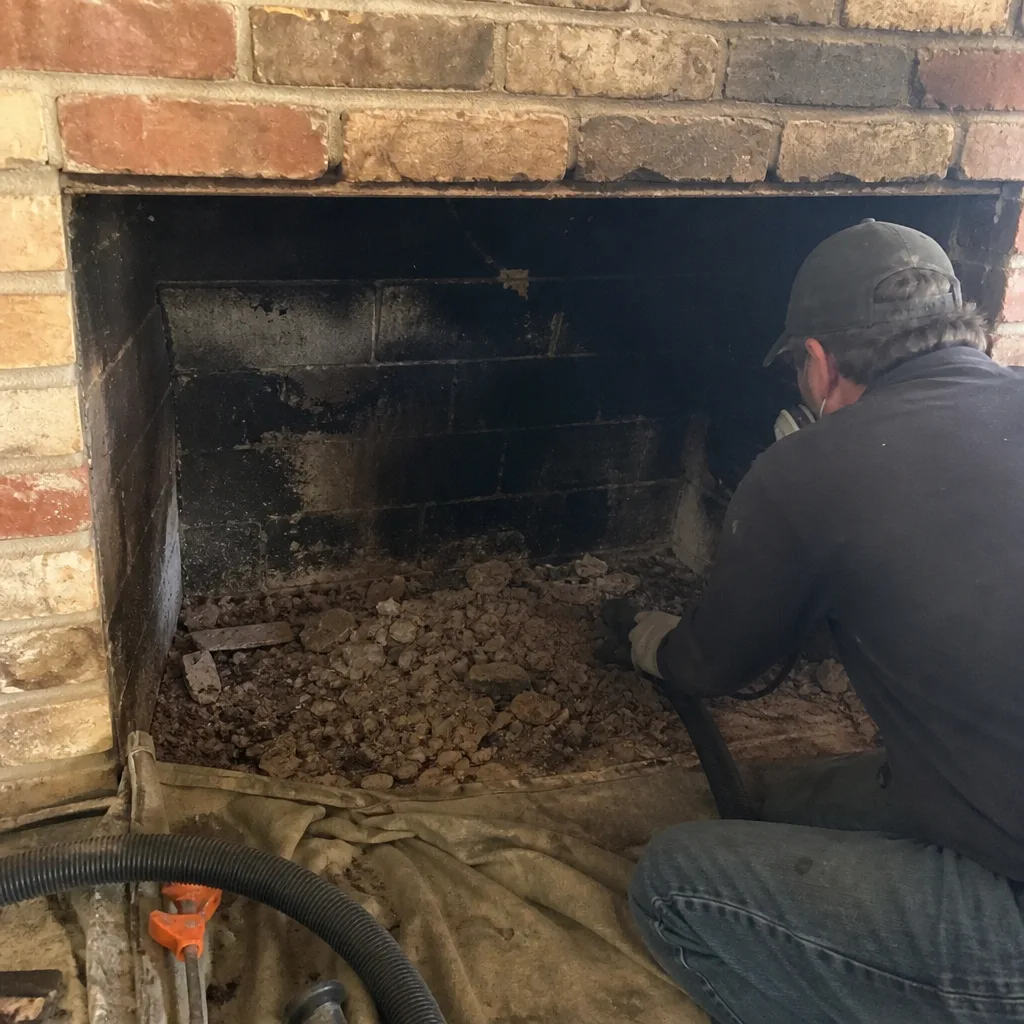 Before
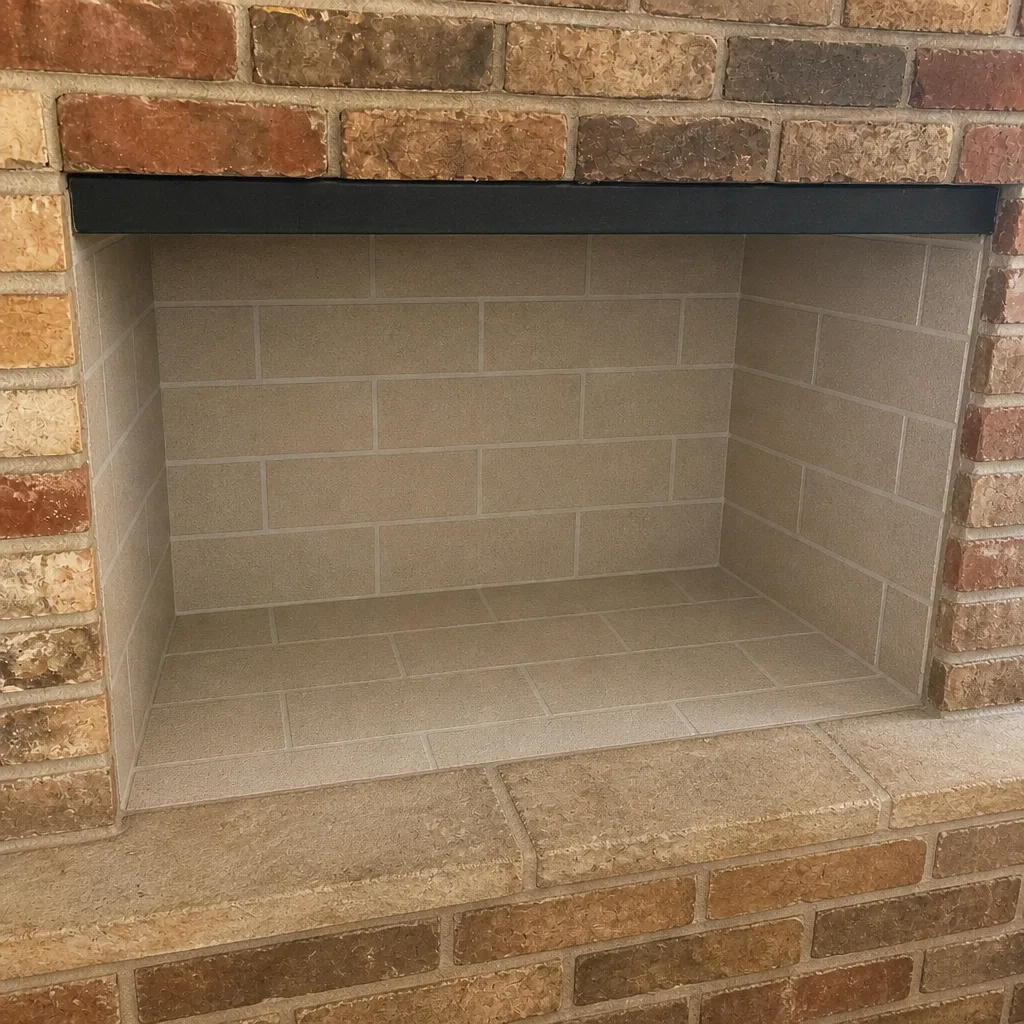 After
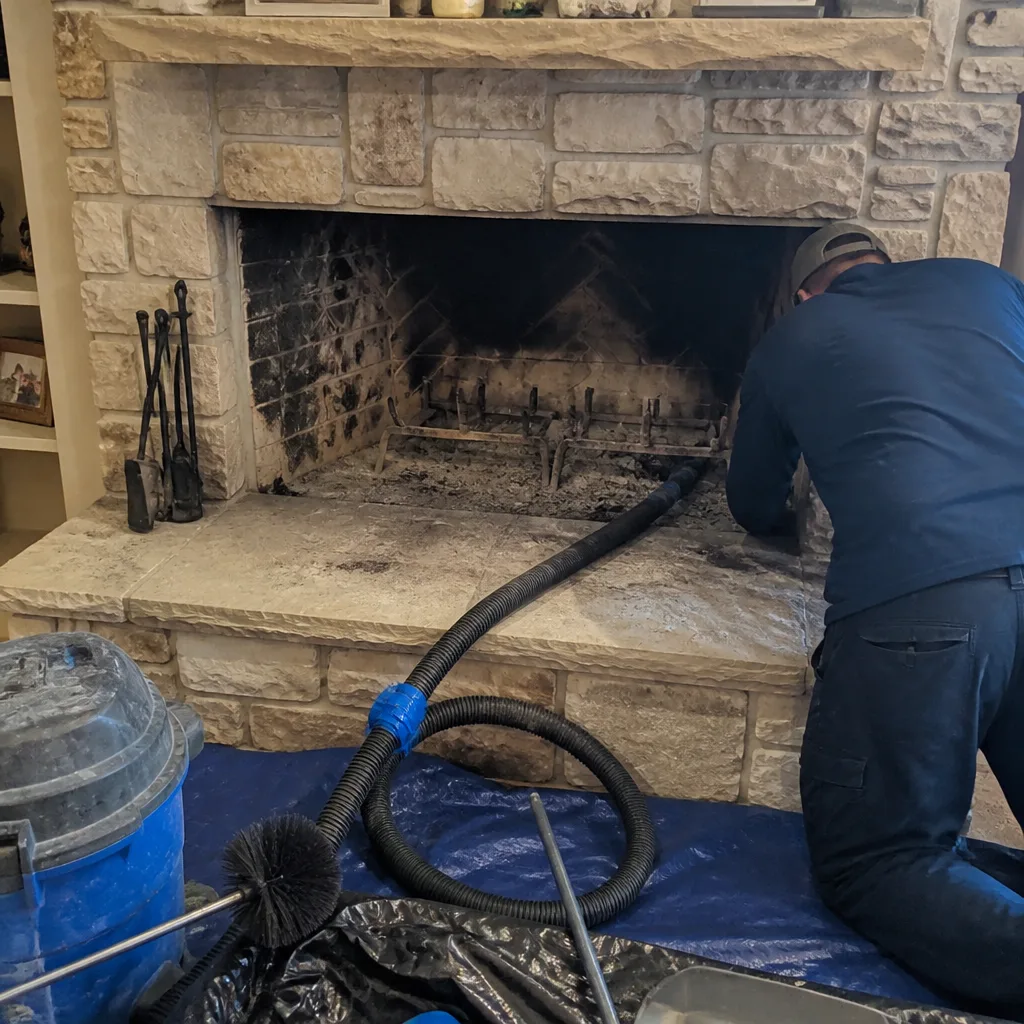 Before
 After
 Before
 After