
Last updated November 24, 2026
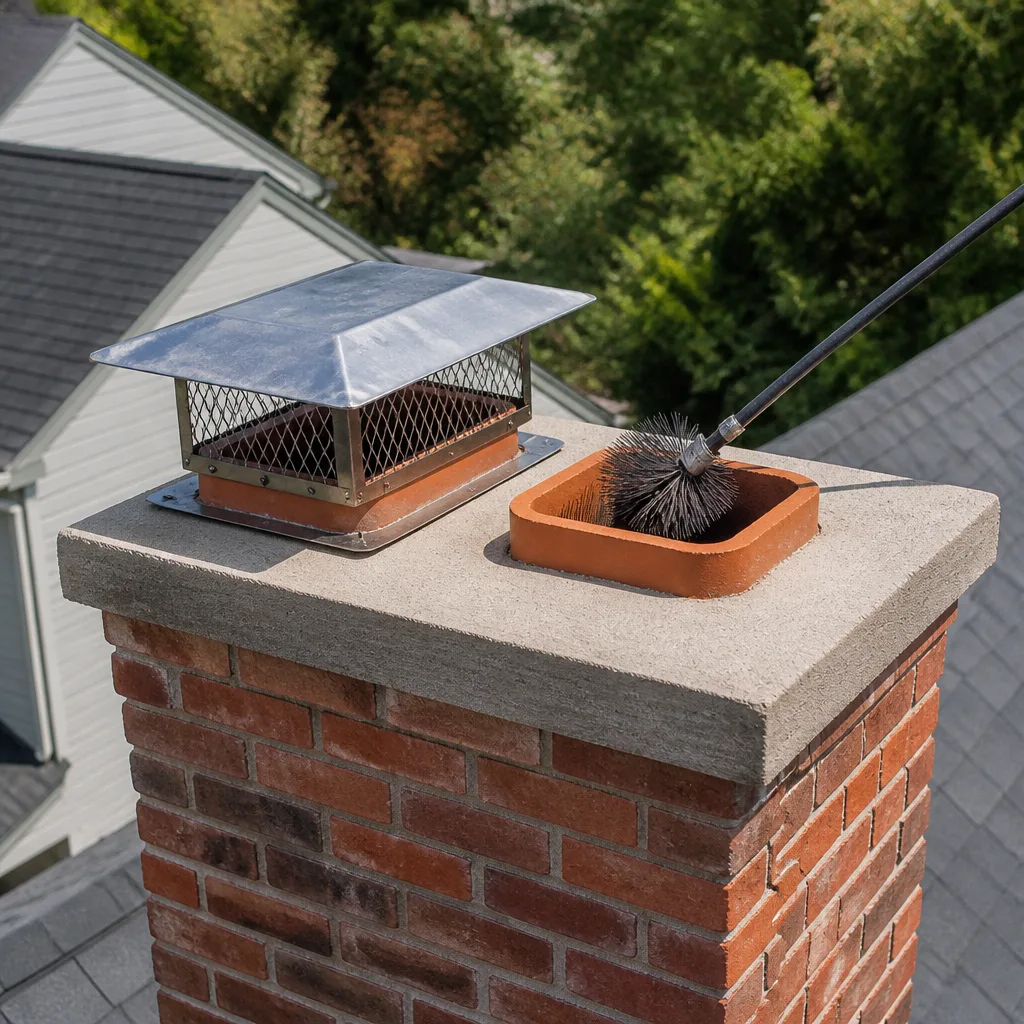 Sweep & inspection
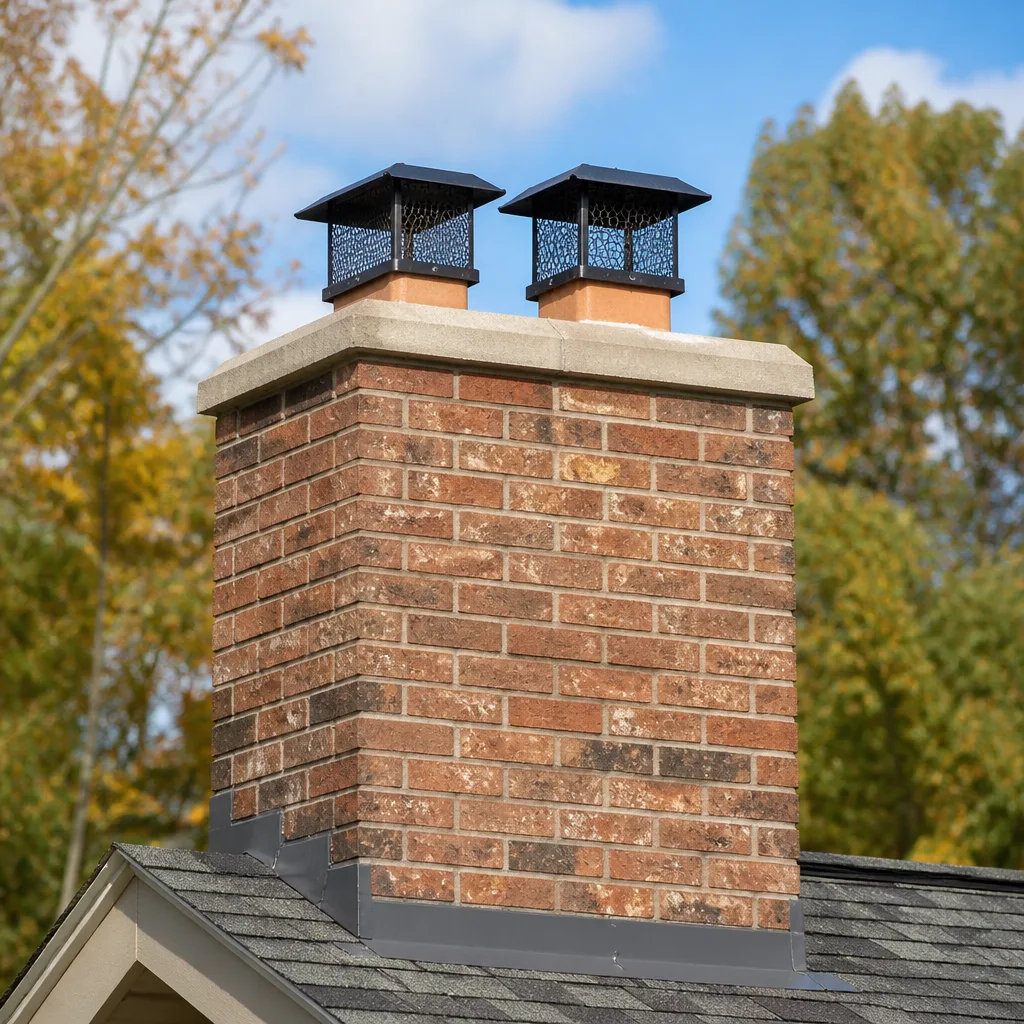 Caps & crowns
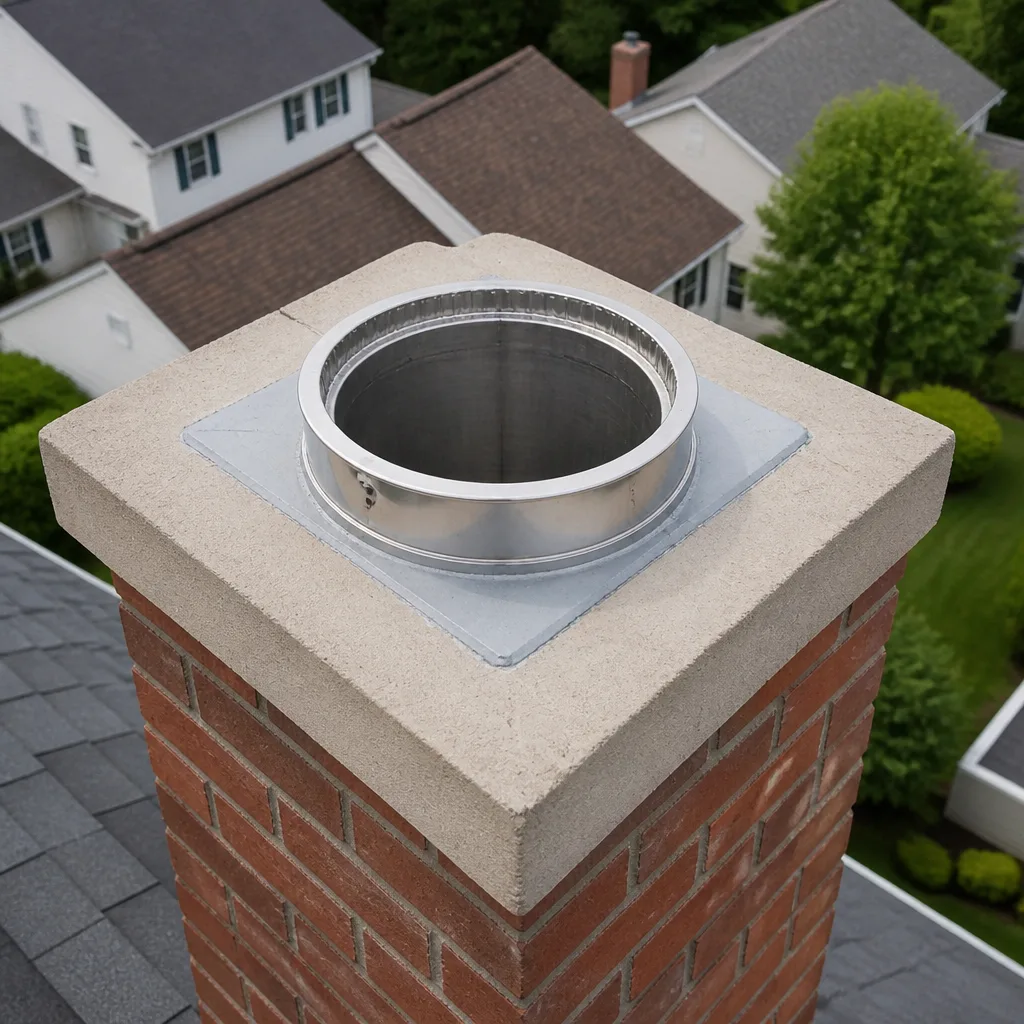 Flue relining
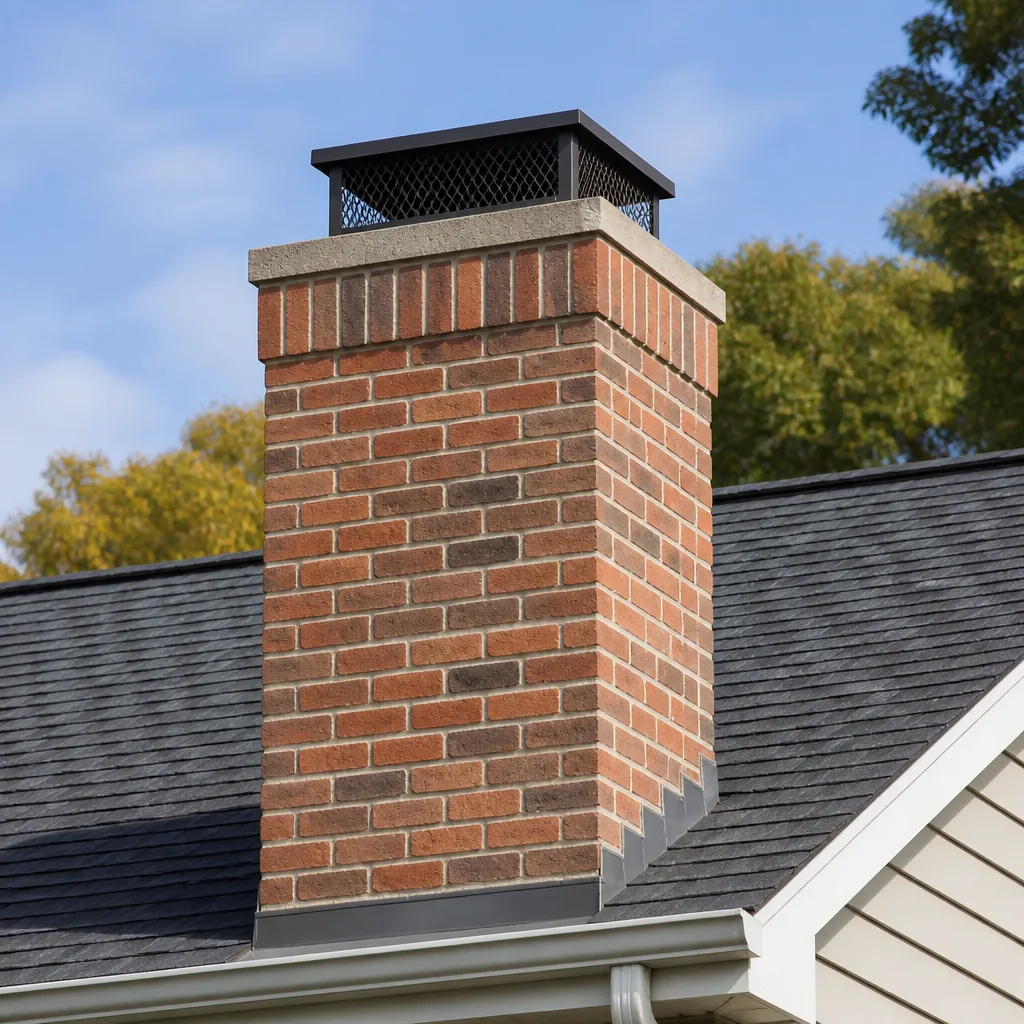 Masonry repair
 Gas fireplace service
Level 1 sweep and inspection to the NFPA 211 annual standard - flue, crown, cap, and flashing checked and photographed
Chimney sweep logs do not sweep chimneys. They loosen some creosote - which then falls where a brush and vacuum still have to collect it.
The Complete Guide to Chimney Cleaning in Clear Lake
Most chimney fires don’t start during heavy use. They ignite after a handful of low-temperature fires – exactly the kind Clear Lake homeowners light on the 20 or so genuinely cool nights per year. A short, smoldering fire in a cool flue leaves behind far more creosote per log than a hot one does, and that residue sits in the flue for months between burns. This guide explains what’s actually happening inside a Southeast Texas chimney, why the humid Gulf Coast air changes the cleaning math, and what a proper cleaning visit should involve. By the end, you’ll know when to schedule a sweep, what to ask for, and how to tell a real cleaning from a quick brush-and-go.
Quick Answer
Chimney cleaning in Clear Lake means removing soot and creosote from a flue that has usually been used lightly but with short, cool fires – the exact pattern that builds glazed creosote fast in humid air. A proper cleaning pairs the sweep with a Level 1 NFPA 211 inspection so you know the flue’s condition, not just that it got brushed. In our experience, most Clear Lake fireplaces need a sweep every year they see regular use, and an inspection every year regardless.
Styles & brands we work with
- Sweep & inspection
- Caps & crowns
- Flue relining
- Masonry repair
- Gas fireplace service
Table of Contents
- Why Clear Lake Chimneys Are Different
- How Creosote Forms in a Mild, Humid Climate
- Short Burn Cycles and Creosote Deposits
- A Visual Sweep vs. a Level 1 NFPA 211 Inspection
- What a Technician Should Do During a Visit
- Galveston Bay Humidity and Masonry Deterioration
- How Often to Clean a Clear Lake Chimney
- When a Cleaning Turns Into a Repair
Why Clear Lake Chimneys Are Different
Most chimney guides are written for cold-weather markets. They assume a fire burns most nights from October to March, that the flue gets hot enough to dry itself out, and that creosote mostly comes from a single damp-wood season. Clear Lake doesn’t work that way. Here the heating season is short and broken up. You might light a fire on a cool evening in November, skip two weeks, then burn again in December. Each fire starts in a cold flue, and that cold start is where deposits begin.
Clear Lake sits close to Galveston Bay, and the air here carries more moisture than inland Texas does most of the year. A chimney is a tall, cool stack of masonry or metal that spends the warm months holding humid air. When the weather turns and you light a fire, that moisture has to be driven out before the flue can draw properly. Until it is, the smoke moves slower and the vapor that carries creosote condenses on cooler flue walls before it can leave the top.
Two things follow from this:
- A Clear Lake chimney can accumulate a meaningful creosote layer on very few fires, because each fire is a cold-start fire.
- The deposits tend to sit where the flue stays coolest – often the upper sections near the cap, not always the firebox you can see into from the hearth.
That’s why a cleaning here isn’t just about the soot you can reach with a hand brush. The upper flue and the smoke chamber are where the trouble usually shows. If you want a straightforward look at what a professional cleaning covers, our chimney sweep service explains the steps from the firebox to the cap.
How Creosote Forms in a Mild, Humid Climate
Creosote is the residue of incomplete combustion. It forms in stages, and the stage matters far more than the amount. Stage 1 is soot and flaky ash – easy to brush. Stage 2 is a crusty, brittle deposit that clings to flue walls and takes real mechanical work to remove. Stage 3 is glazed, hard, tar-like creosote that bonds to the flue liner and can’t be brushed off at all. Stage 3 is where chimney fires come from, and in Clear Lake’s humid air, stage 2 creosote can progress toward stage 3 faster than a cold-climate guide would predict.
Here’s the mechanism, in plain terms. Humid air inside the flue raises the dew point at which creosote vapor condenses. Smoke leaving a fire carries unburned wood gas and water vapor together. In dry air, that vapor mostly exits at the top. In the damp Gulf Coast air that fills a Clear Lake flue between fires, the vapor condenses on the cooler flue walls earlier and more often, and each condensation event leaves a sticky film that traps soot. That film cures into stage 2 crust.
What this means for you:
- Infrequent use doesn’t guarantee a clean flue. A fireplace used a dozen times can still carry crusty deposits in the upper flue.
- The color and texture of the deposit matter more than the thickness. Crusty or shiny surfaces are the ones to flag.
- Anyone assessing your flue should look above the damper, not just at the firebox opening.
This is why we specify materials by name when a flue needs work: a professional-grade liner system holds up in humid conditions better than an anonymous off-brand one. A clean flue is the first step; a sound one is the goal.
Short Burn Cycles and Creosote Deposits
In mild climates, homeowners tend to burn short, cool fires – one or two logs to take the chill off, then let it die. It feels efficient. Chemically, it’s the most creosote-intensive way to use a fireplace. A cool fire never reaches the flue-gas temperature that burns off the volatile wood gases, so those gases leave the firebox unburned and deposit on the flue walls as creosote.
Compare that to a cold-climate homeowner running a fire hot most of the evening. The hotter burn consumes more of those gases and carries the rest up and out before they can settle. Two fires with the same amount of wood can leave very different amounts of creosote depending on how hot they burned. In Clear Lake, where the 20 or so cool nights a year are spread out and the fires are often short, the deposit-per-log ratio runs high.
A few practical points follow:
- If you burn short fires, expect more creosote per cord, not less. Schedule the sweep on the deposit pattern, not the woodpile size.
- Build a hotter fire when you do burn – a fully involved fire with a good bed of coals – rather than nursing a smoldering one all evening.
- Burn well-seasoned wood. Green wood carries water that cools the fire and loads the flue with condensable vapor, a real problem in already-humid Clear Lake air.
- Don’t assume a light-use winter means a clean chimney. The pattern matters as much as the count.
In our experience, a homeowner who burns a handful of short fires a year and never has the flue looked at is the likeliest to be surprised by what a camera finds. A cleaning that includes a camera inspection removes that guesswork.
A Visual Sweep vs. a Level 1 NFPA 211 Inspection
A visual sweep and a Level 1 NFPA 211 inspection are not the same thing, and knowing the difference keeps you from paying for one and thinking you got the other. A visual sweep is the cleaning itself: soot and creosote removed from the firebox, smoke chamber, damper, and flue, plus a look at what the technician can see. A Level 1 inspection is the documented assessment of the chimney’s condition, performed under the NFPA 211 standard for chimneys, fireplaces, vents, and solid-fuel appliances. The inspection is what tells you your flue is sound. The sweep is what makes it safe to use.
NFPA 211 defines three inspection levels, and it helps to know which one you’re getting:
- Level 1: The standard annual inspection, for a chimney that’s in continued service with no known problems and no change to the appliance or fuel type. It covers all readily accessible portions of the chimney and connects to the cleaning.
- Level 2: Required when there’s a change – a new appliance, a fuel change, a liner installation, a property sale, or after a chimney fire or a sudden event that could have damaged the flue. It includes the Level 1 scope plus a video scan of the flue interior.
- Level 3: The most involved, used when a Level 1 or Level 2 inspection points to a hidden problem that requires accessing concealed parts of the chimney, which can mean opening walls or other demolition.
For most Clear Lake homeowners, a Level 1 inspection paired with the annual cleaning is the right starting point. If you’re buying a home, planning to add a wood stove insert, or you’ve had a chimney fire, ask for the Level 2 with camera documentation. Our Chimney Sweep Clear Lake team offers inspection as a standalone service, so you can get a documented condition assessment even before you decide on cleaning.
What a Technician Should Do During a Visit
Know exactly what’s happening inside your chimney before the season starts – that’s what a real cleaning visit should give you. Here’s what a professional visit in Clear Lake should physically involve and document:
- Lay down protection. Drop cloths and a sealed work area so no soot enters the living space. Ask up front how the technician protects the room.
- Inspect before cleaning. A look at the firebox, damper, smoke chamber, and flue before brushing, so the technician knows what they’re dealing with and whether the flue is safe to brush.
- Sweep the flue. Mechanical brushing from the top down or bottom up, whichever the setup calls for, through the full flue run and the smoke chamber above the damper.
- Remove soot and vacuum. Debris hauled out and the firebox cleaned, with a HEPA vacuum to catch fine dust.
- Camera check. A video scan of the flue interior where the inspection level calls for it, or a visual check of the liner and joints above the damper. Photographs should be shared with you, not kept on a clipboard.
- Document the condition. A written or photographed record of deposits found, liner condition, cap and crown status, and any crack or gap noted.
- Walk you through it. The technician should show you what they saw, explain any recommended repair, and tell you plainly when work can safely wait.
A sweep-only visit ends at step four. A visit that includes inspection continues through step seven. The difference is the documentation you leave with, and that documentation is what you can share with an insurer or a real-estate transaction when the question of chimney condition comes up. If you’re weighing a full call now, the Clear Lake market expects the sweep and the inspection together, not sold as separate add-ons after the fact.
Galveston Bay Humidity and Masonry Deterioration
Clear Lake’s proximity to Galveston Bay keeps relative humidity high through much of the year. Masonry is porous. Brick, mortar, and the crown at the top of the chimney all absorb and release moisture with the weather, and in a high-humidity climate that cycle runs more often. The result is that the parts of a Clear Lake chimney that handle water – the crown, the flashing at the roofline, the mortar joints – age at a pace that inland Texas chimneys don’t always match.
A softened crown or a cracked mortar joint does more than look bad. It lets water into the chimney structure, where it can work into the flue and the surrounding masonry and eventually show up as a rusted damper, a crumbling smoke chamber, or white staining on the firebox. A missing or damaged cap is the usual entry point. Rain, humidity, and small animals all use the top of the flue when it’s open.
What this means for cleaning frequency and repair timing:
- Have the cap and crown checked every visit. A small crown crack caught early is a resurfacing job; a soft crown left alone is a rebuild.
- Ask whether the technician can install a proper cap. A sweep-only operation will flag a missing cap and refer you elsewhere; a full-service chimney specialist can install the cap and crown on the same service relationship.
- Treat any staining or rust as a sign water is getting in, and have it inspected rather than painted over.
That’s why our service arc runs from the sweep through chimney cap & crown work and structural repair – so a water problem found during a cleaning can be fixed by the same people who found it. We specify HeatShield for resurfacing a damaged flue, which restores integrity without a full rebuild, and Gelco and Olympia Chimney components for the cap and ventilation work where they fit.
How Often to Clean a Clear Lake Chimney
There’s no single number that fits every Clear Lake fireplace, but the general guidance holds: schedule a cleaning and inspection once a year for a chimney in regular use, and clean sooner if you see or smell signs of a heavy deposit. Because the Clear Lake heating season is short and the fires are often short and cool, a light-use winter still deserves the annual visit – the deposit-per-fire ratio is high, and the humid summer is exactly when that creosote sits and cures.
Think of it as a seasonal task, not an emergency one. The right time to book is before burning season, not after the first cold night. Here’s how to decide what your chimney needs:
- Regular use, some fires most weeks during the cool months: annual sweep plus Level 1 inspection.
- Light use, a handful of fires a year: annual inspection, with the sweep if deposits warrant it.
- A chimney fire, a sudden event, or a change in appliance: Level 2 inspection with a camera scan, then sweep.
- Never inspected or long neglected: start with an inspection and let the camera tell you what the cleaning should cover.
The urgency in Clear Lake is seasonal, not hourly. You’re booking a sweep before burning season, not waiting for a crisis. If you want a sweep booked into the schedule ahead of the cool nights, call and we’ll get it on the calendar. If a call comes in outside dispatch hours, we answer 24/7 and book it into the next opening, Sunday through Friday, 7am to 7pm.
When a Cleaning Turns Into a Repair
Most cleanings stay cleanings. Sometimes the inspection turns up a problem that a sweep-only company can only flag and leave you to solve. In our experience, a few issues show up often enough in Clear Lake that it’s worth knowing what they are before the technician knocks.
The common findings:
- A cracked or missing cap. Water and animals get in, and the flue starts to deteriorate. A cap install is a straightforward job for a company that stocks the right components.
- A cracked crown. The mortar top of the chimney absorbs water and splits. Sometimes it can be repaired and resurfaced; sometimes it needs rebuilding. A proper assessment tells you which.
- A deteriorated flue liner. Gaps or a crumbling liner let heat and gases reach the surrounding structure. A professional-grade liner system such as a DuraFlex setup can restore the flue where a rebuild would otherwise be needed.
- A damaged firebox or smoke chamber. These are fireplace repair territory, and a specialist who handles the full chimney can assess and fix them as part of the same relationship.
What sets a full-service chimney specialist apart from a sweep-only competitor is that the findings and the fix happen together. We specify materials by name because what goes into your chimney matters, and HeatShield resurfacing can extend a chimney’s life without demolition. Nothing gets recommended without camera evidence you can see for yourself, and we’ll tell you plainly when a repair can wait.
Common Mistakes to Avoid
- Treating a light-use winter as a pass on the annual visit. In Clear Lake’s mild climate, a dozen short fires can deposit as much creosote per log as a heavy season elsewhere. Skipping the inspection because the woodpile looks full is a common miscalculation.
- Assuming a swept chimney is an inspected chimney. A quick brush-and-go leaves you without the documented condition assessment you need for insurance or a home sale. Ask for the NFPA 211 Level 1 inspection alongside the cleaning.
- Looking only at the firebox. Creosote can sit in the upper flue and smoke chamber where you can’t see it, especially in Clear Lake where the coolest part of the flue collects the deposits. The camera is the only honest check.
- Leaving the flue open to the weather. A missing cap lets humid Gulf Coast air and rain into the chimney year-round, and it lets animals in. A cap is inexpensive next to the damage an open flue allows.
- Burning green or unseasoned wood. Damp wood cools the fire and loads the flue with condensable moisture, which is a bigger problem in humid air than in a dry climate. Seasoned wood cuts deposit load.
- Confusing a visual sweep with a Level 2 inspection. If you’ve had a chimney fire or you’re buying a home, a visual check at the firebox doesn’t cover it. A camera scan of the full flue is the correct scope.
- Ignoring a soft crown or cracked mortar. In Clear Lake’s humidity, water damage compounds between seasons. A small crown crack caught early is a repair; a soft one left alone is a rebuild.
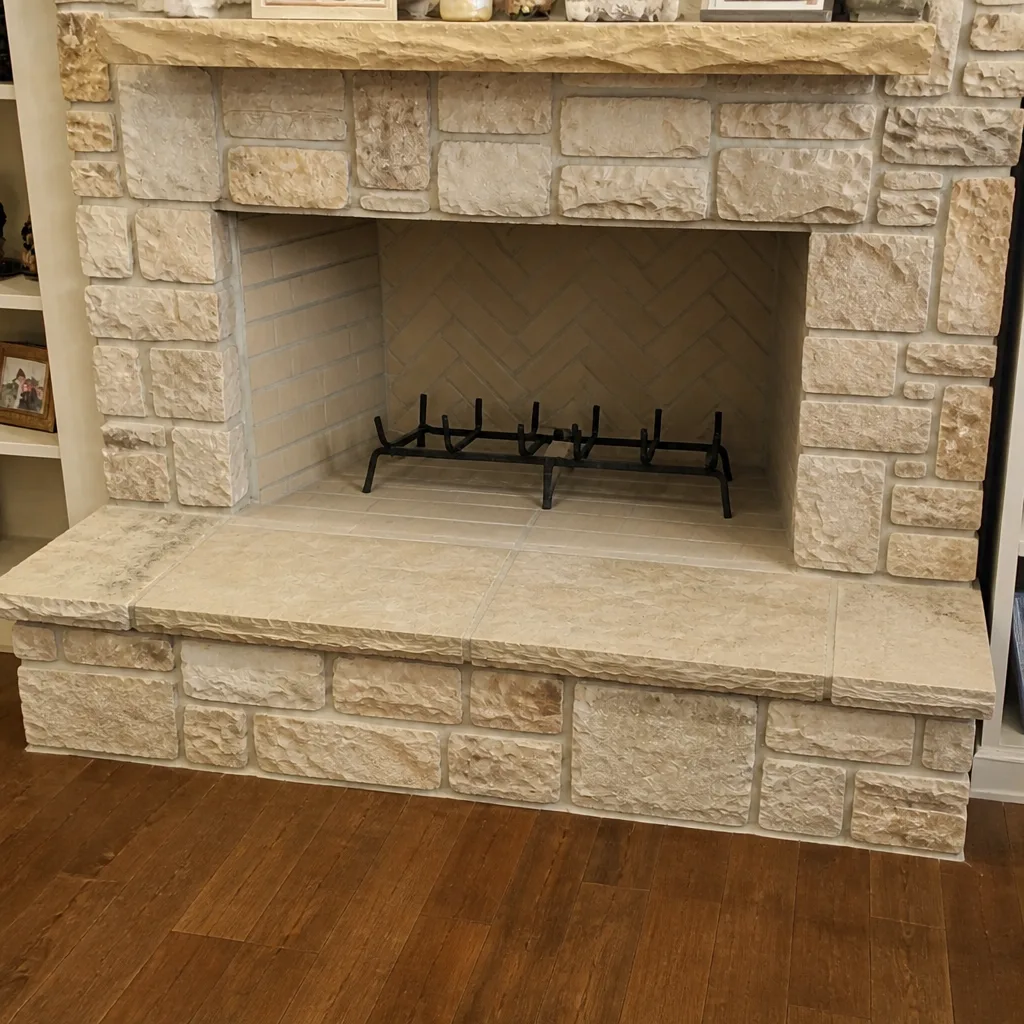
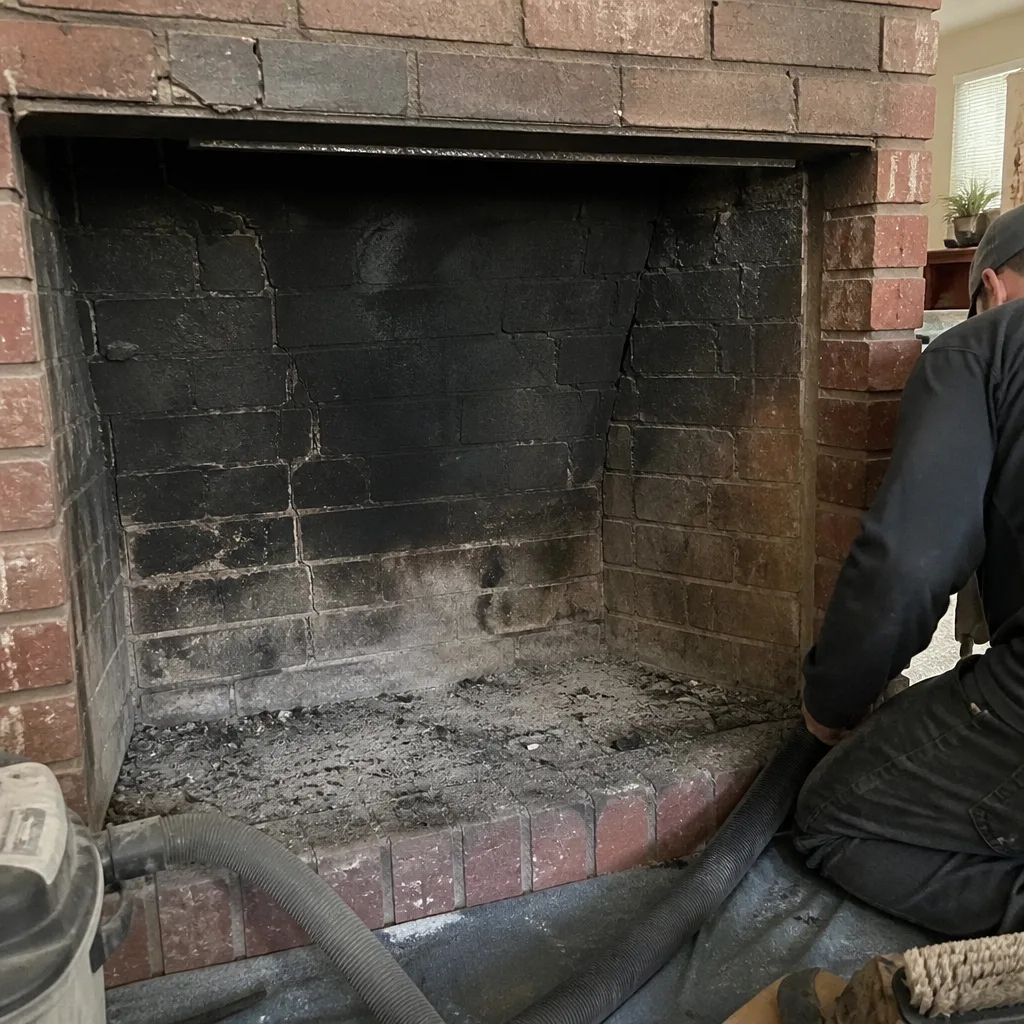
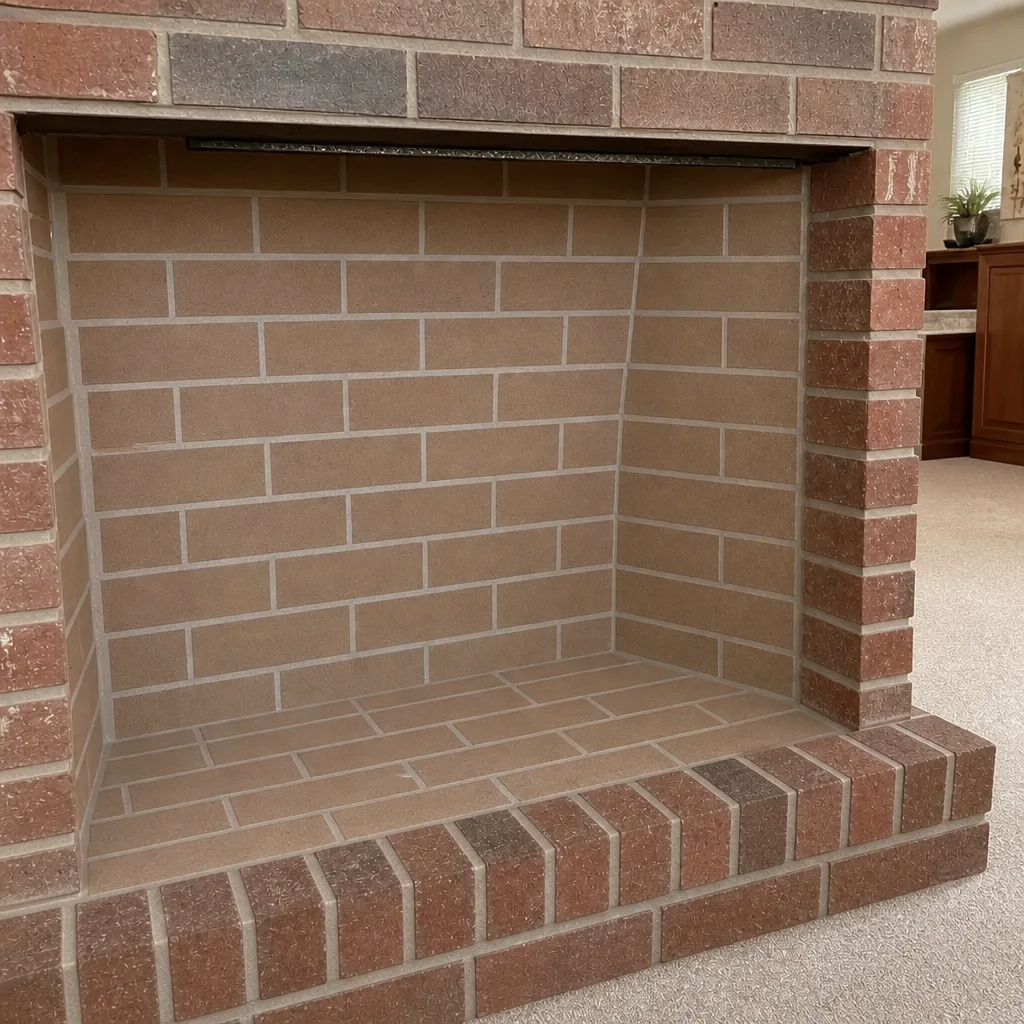
See the difference
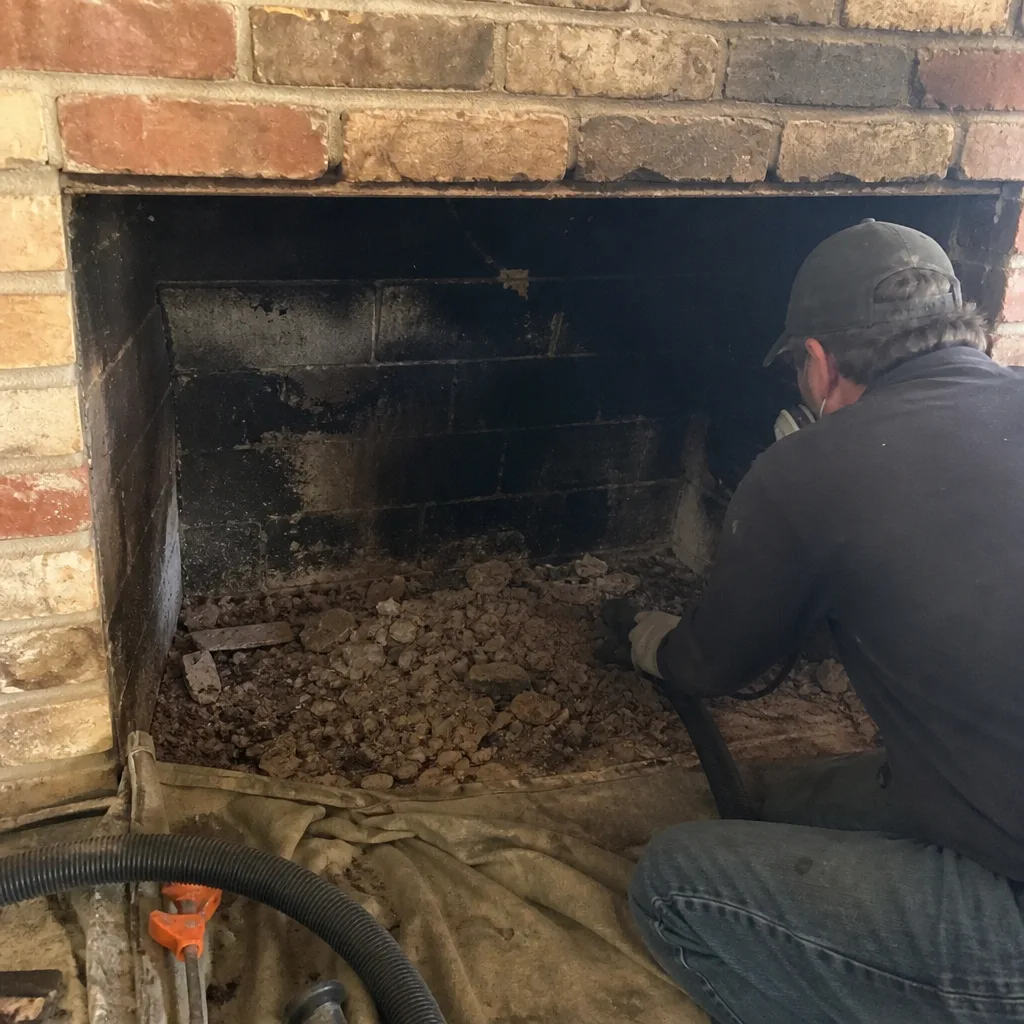 Before
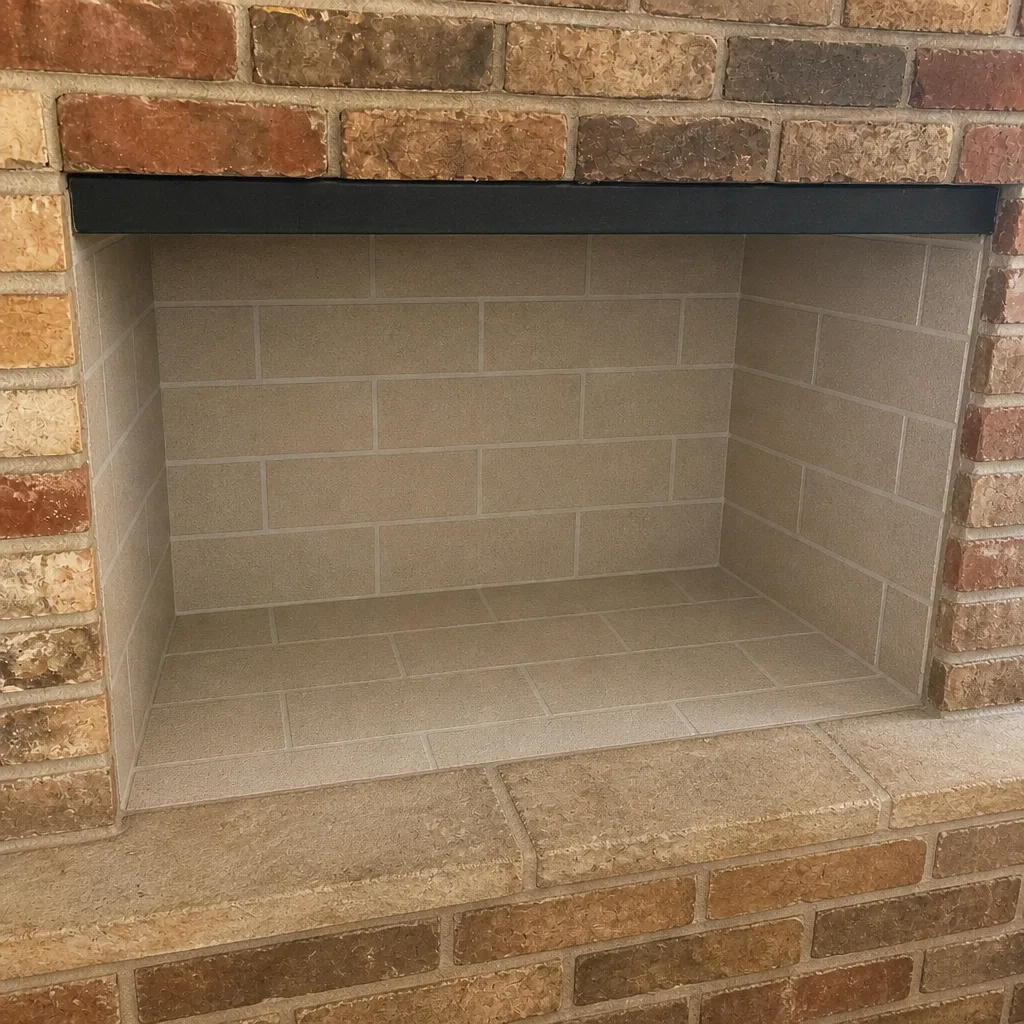 After
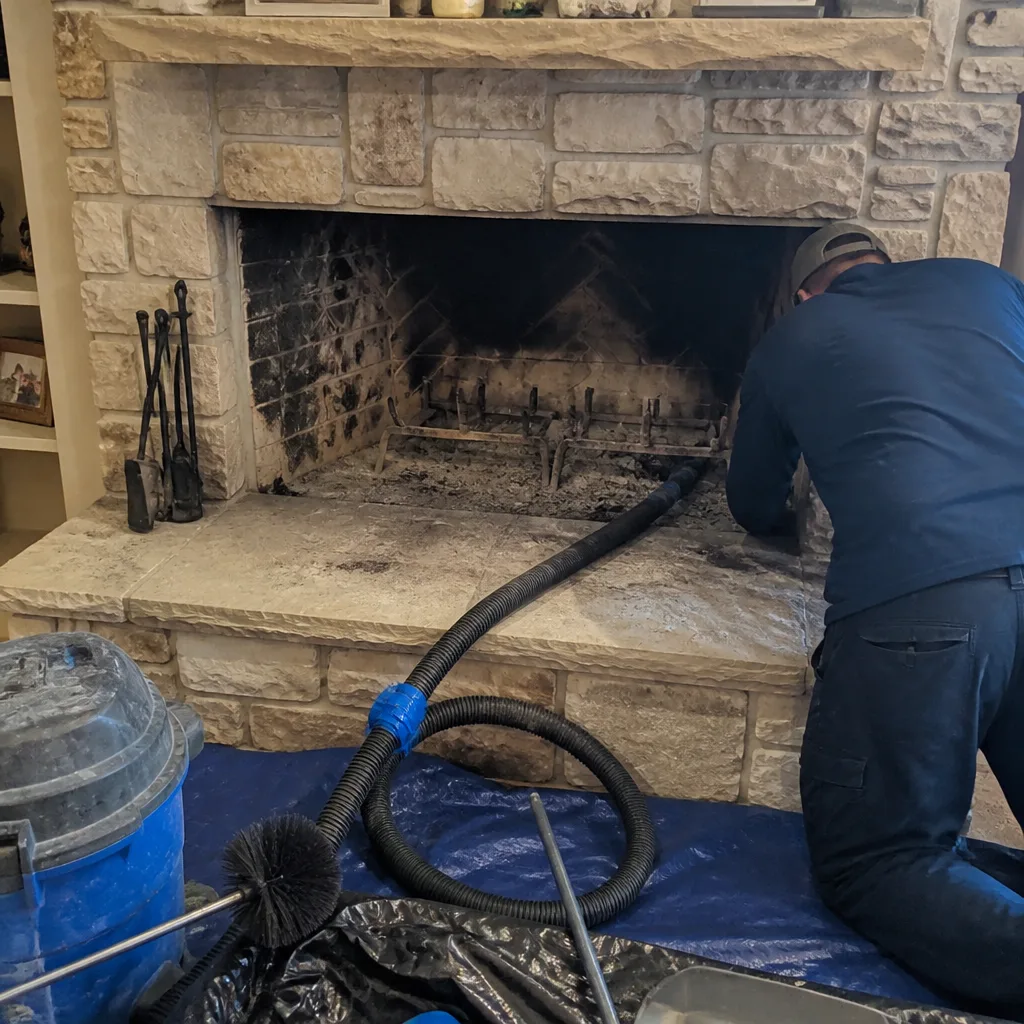 Before
 After
 Before
 After
When to Call a Professional
Call a professional chimney specialist in these situations: it’s been a year or more since the last sweep, you’ve had a chimney fire or a sudden event near the flue, you’re buying or selling a home and need a documented assessment, you smell a strong creosote or smoky odor from the fireplace even when it’s not in use, or you see staining, rust, or crumbling mortar on the chimney. Gas fireplaces and wood inserts have their own venting needs and deserve the same inspection, not a pass. If any of that fits, a professional assessment is the right next step, not a guess. Chimney Sweep Clear Lake offers free estimates in Clear Lake – call (855) 726-7805 to get a sweep and inspection on the calendar. Our technicians have up to 15 years of experience, and we answer 24/7 with fast dispatch from 7am to 7pm, Sunday through Friday.
Frequently Asked Questions
Chimney cleaning in Clear Lake is priced per job, set by the written estimate after the visit, because a short-use climate can leave either a light load or stubborn upper-flue deposits and the two take different work. The estimate is free, and it’s the final price in writing. Call (855) 726-7805 for an exact quote.
You need a new liner only if the camera shows the current one is cracked, gapped, or deteriorated – not on a guess. In our experience, most Clear Lake chimneys inspected do not need a liner, and when one does, a professional-grade system like DuraFlex restores the flue without a rebuild. Nothing is recommended without camera evidence you can see. Call (855) 726-7805 for an exact quote.
A Clear Lake chimney in regular use should be swept once a year, alongside an annual Level 1 inspection. Because the fires here tend to be short and cool, a light-use winter still justifies the yearly visit; if you’ve had a chimney fire or you’re buying a home, ask for a Level 2 camera inspection. Call (855) 726-7805 for an exact quote.
If you skip it, creosote keeps building in the upper flue, where humid Clear Lake air helps it cure toward glazed stage 3, and that’s the deposit chimney fires come from. There’s also no inspection record if water damage or a cracked liner starts between seasons. Call (855) 726-7805 for an exact quote.
A mild climate builds deposits faster per fire because each fire is a cold-start fire in a humid flue, so the vapor that carries creosote condenses on cool flue walls before it can leave. Short burns common in Clear Lake leave more creosote per log than long, hot burns do. A camera check shows how much is really there. Call (855) 726-7805 for an exact quote.
Yes – we handle the full arc from sweep and inspection through cap and crown work, fireplace repair, and structural chimney repair, so a problem found during a cleaning can be addressed in the same service relationship. We specify product lines by name, including HeatShield, Gelco, Olympia Chimney, and Famco, rather than off-brand materials. Call (855) 726-7805 for an exact quote.
The Bottom Line
Chimney cleaning in Clear Lake is a seasonal task shaped by a mild, humid climate: short cool fires, cold-start flues, and Gulf Coast moisture combine to build creosote faster per fire than cold-weather guides account for. The practical takeaway is simple. Book a sweep and a Level 1 NFPA 211 inspection once a year before burning season, ask for the camera documentation, and have the cap and crown checked every visit so water doesn’t do the damage a fire didn’t. When a repair is needed, one specialist team can handle it, from resurfacing with HeatShield to a DuraFlex liner to cap and crown work. Know exactly what’s happening inside your chimney before the season starts – that’s the whole point of the visit.
Call (855) 726-7805 for a free estimate. We answer 24/7. Fast dispatch from 7am to 7pm, Sunday through Friday.
Written by the team at Chimney Sweep Clear Lake.