
Last updated November 24, 2026
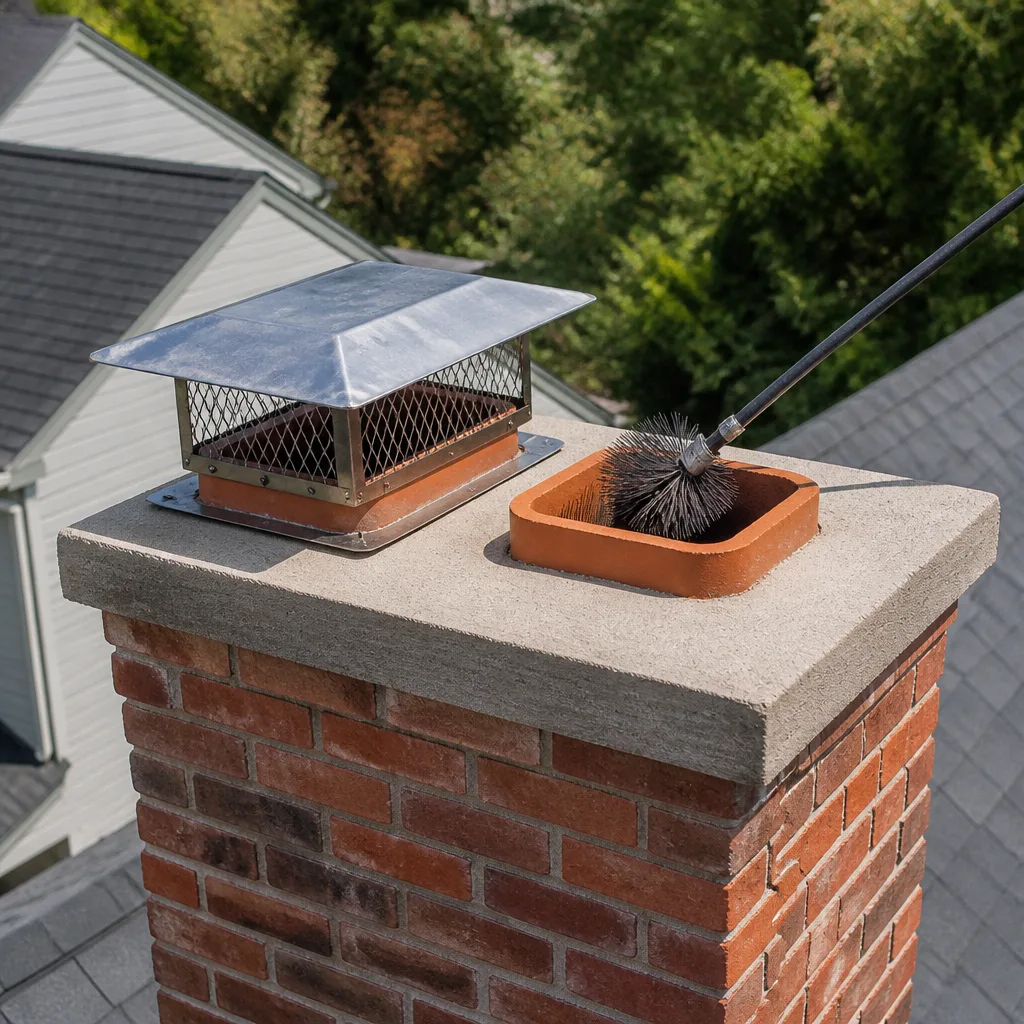 Sweep & inspection
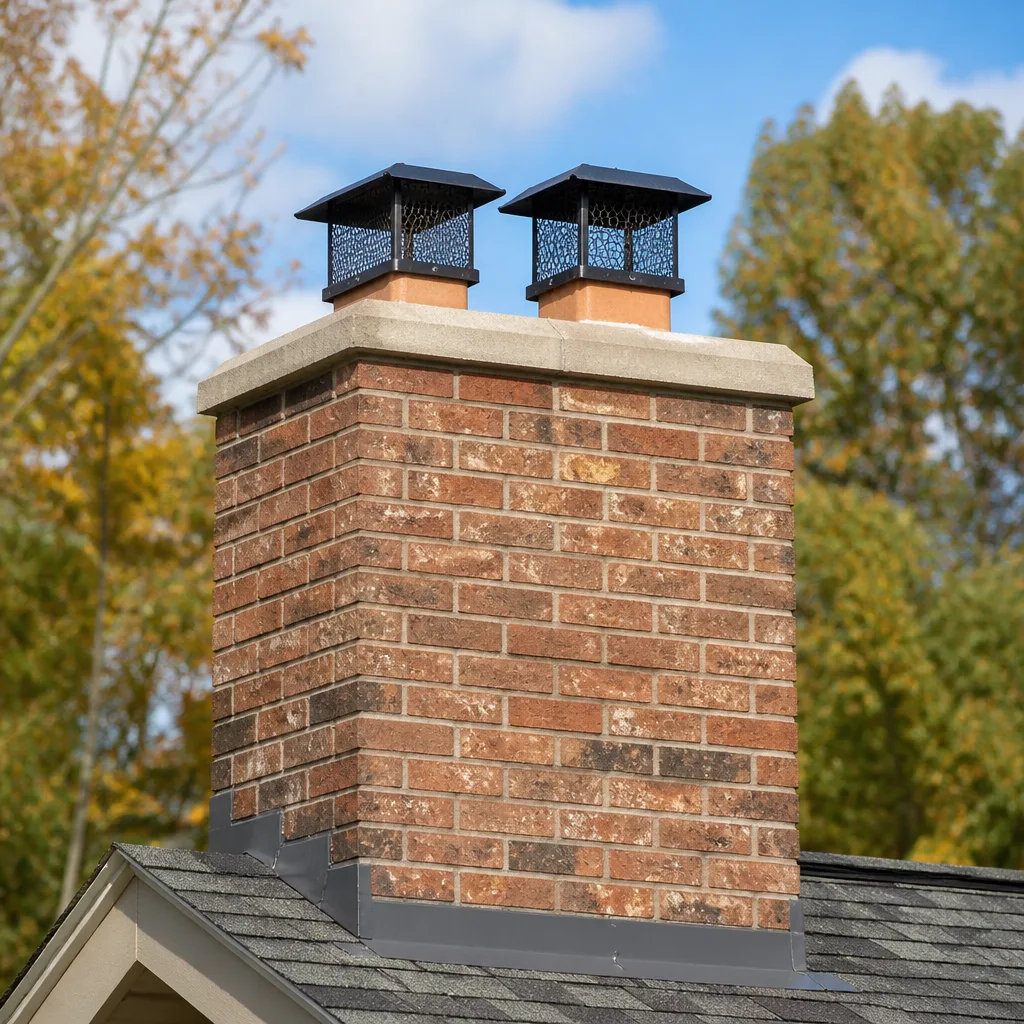 Caps & crowns
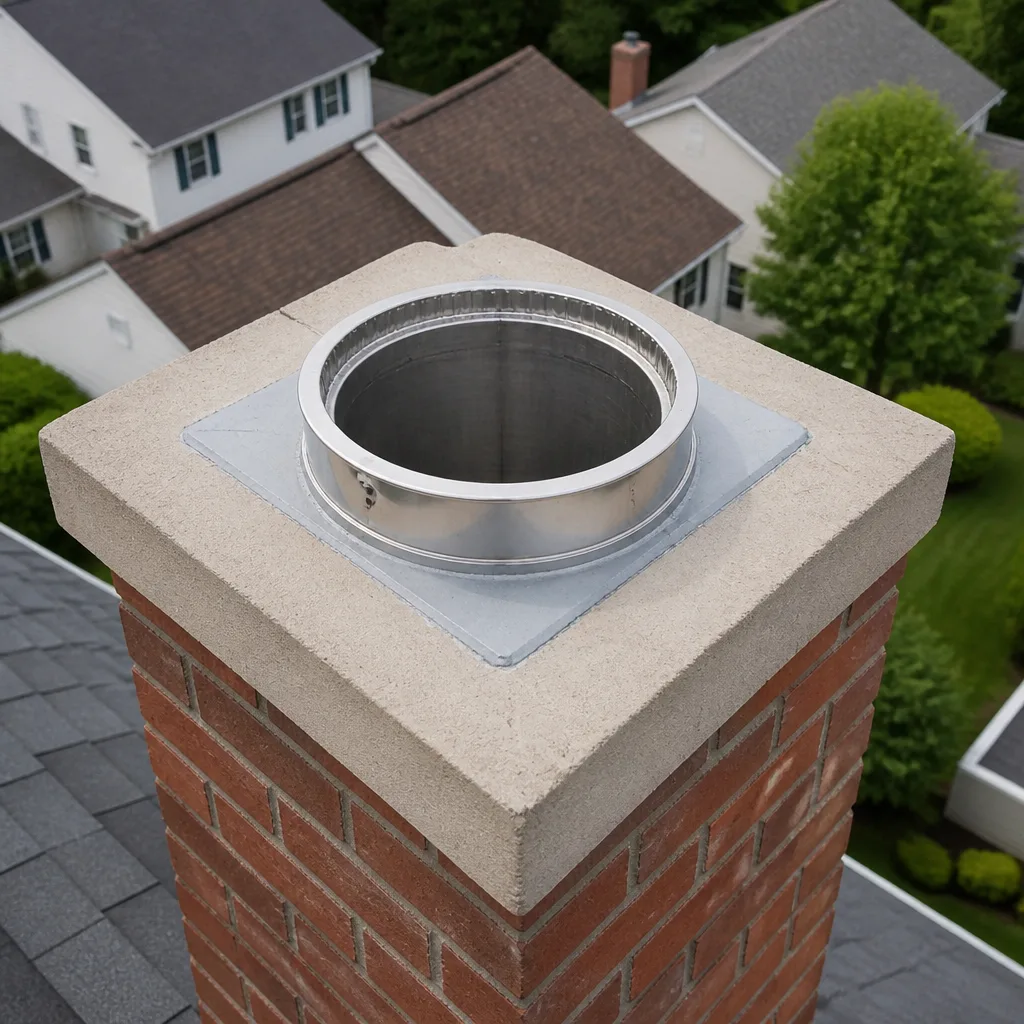 Flue relining
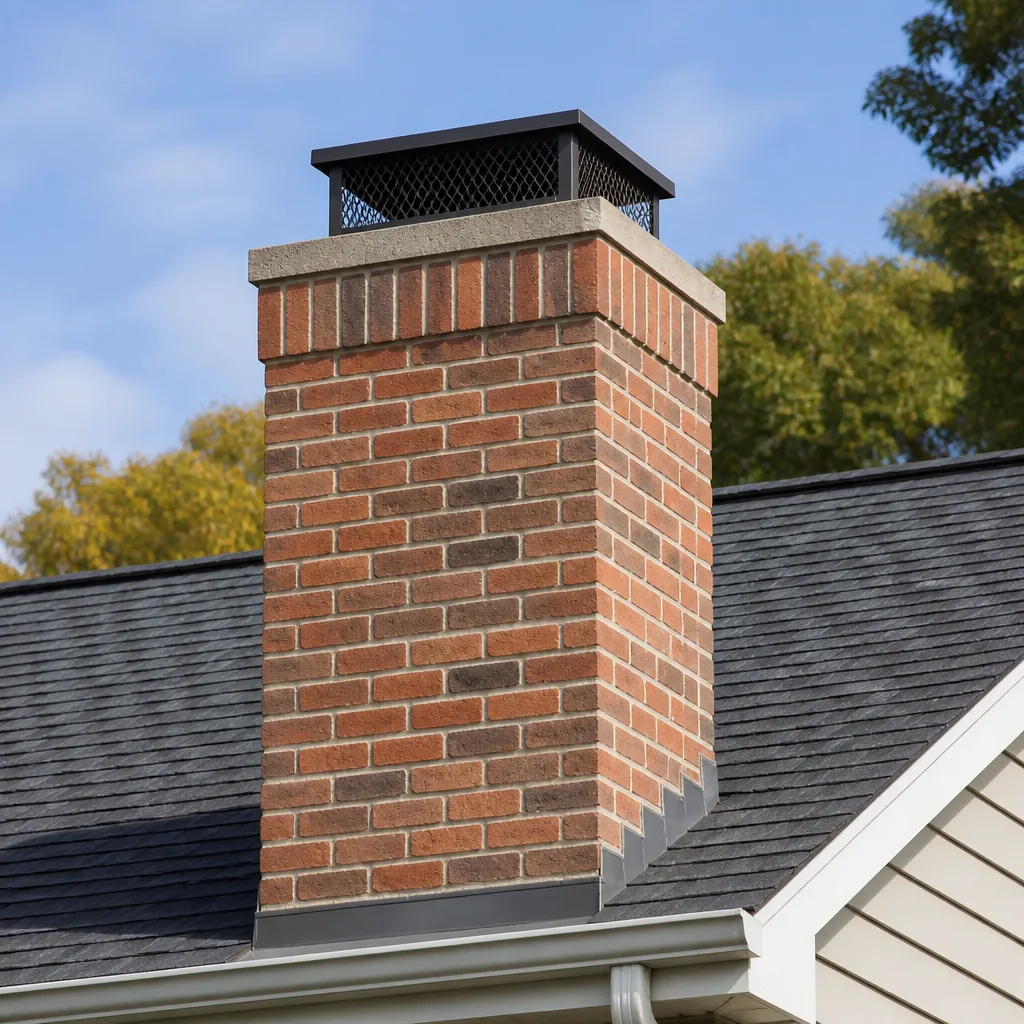 Masonry repair
 Gas fireplace service
Level 1 sweep and inspection to the NFPA 211 annual standard - flue, crown, cap, and flashing checked and photographed
Chimney sweep logs do not sweep chimneys. They loosen some creosote - which then falls where a brush and vacuum still have to collect it.
Chimney Sweep Troubleshooting in Clear Lake: Common Problems and How to Fix Them
A smoky firebox is not one problem. It’s a symptom menu with at least six distinct root causes, and treating the wrong one is exactly how a simple fix becomes a costly repair. Homeowners in Clear Lake often reach for the damper, crack a window, or assume the chimney needs a sweep when the real issue lives somewhere else entirely: a flue that’s too short, a house that’s too tight, a cap clogged with debris. This guide teaches you to read those symptoms the way a technician does, so you know what’s actually happening inside your flue before you pick up the phone or schedule a visit.
Quick Answer
Most chimney problems in Clear Lake come down to one of four things: a blocked or undersized flue, negative pressure inside a tightly built house, moisture mixing with creosote during humid Gulf Coast summers, or a damaged cap and crown letting water and animals in. Diagnosing which one you have takes a systematic look from the firebox opening. Some symptoms mean stop using the fireplace immediately; others can wait for a scheduled sweep.
Styles & brands we work with
- Sweep & inspection
- Caps & crowns
- Flue relining
- Masonry repair
- Gas fireplace service
Table of Contents
- Reading Your Chimney’s Symptoms
- Smoke Backdraft vs. Blockage vs. Insufficient Draft Height
- What Creosote Type Tells You About Combustion
- Humidity-Driven Odors in Gulf Coast Summers
- A Safe Visual Inspection From the Firebox
- Stop-Use Conditions vs. Schedule-Soon Issues
- Cap and Crown Problems
- Water, Masonry, and the Clear Lake Climate
Reading Your Chimney’s Symptoms
A chimney tells you what’s wrong if you know what to listen for. The symptoms homeowners describe are rarely unique to their house. We hear the same handful of complaints from Clear Lake neighborhoods across the area, and each one points toward a specific mechanical cause.
Smoke rolling into the room is the most common. It can mean a closed or broken damper, a flue blocked by a bird nest, a chimney that’s too short for the roof pitch, or a house that’s depressurized by exhaust fans. Those four causes produce nearly identical symptoms but need completely different fixes.
Odors are the second most common. A strong smoky smell in summer, or a musty draft from the firebox on a humid day, usually traces to moisture combining with creosote residue rather than a failed cleaning. Gulf Coast humidity responds differently to chimney residue than dry-climate conditions do.
Slow, lazy fires that won’t draw well point toward draft problems, either insufficient flue height above the roof or a flue that’s partially obstructed. Loud popping or crackling beyond normal fire noise can signal creosote igniting, which is a different category of concern entirely.
Water stains on the firebox walls, rust on the damper, or a musty smell after rain point to the cap and crown. Those components keep water out, and when they fail, the symptoms show up inside the firebox long before the masonry visibly crumbles.
List the symptoms you’re seeing before you call anyone. A technician who knows what you observed can often narrow the cause before arriving, which shortens the diagnostic visit considerably.
Smoke Backdraft vs. Blockage vs. Insufficient Draft Height
These three problems look the same from the couch. Smoke in the room is smoke in the room. But the fix for each is completely different, and treating one as another wastes time and money.
Negative-pressure backdraft happens when your house is tighter than the chimney can overcome. Modern construction and weatherstripping seal air leaks that older houses let breathe through. When a kitchen exhaust fan, a bathroom vent, or a clothes dryer pulls air out of the house, the chimney becomes the path of least resistance and air flows down the flue instead of up. You’ll notice smoke especially when another exhaust appliance is running. Cracking a nearby window before lighting the fire often confirms the diagnosis: if the draw improves, pressure is the problem.
Flue blockage is physical. A bird nest, a squirrel’s cache, a collapsed flue tile, or a heavy creosote buildup can close off part of the flue. Smoke has nowhere to go and backs up. Blockages usually produce a sudden onset. If your chimney drafted fine last winter and doesn’t this year, suspect a blockage.
Insufficient draft height is structural. A chimney needs to terminate high enough above the roof and nearby rooflines to create proper upward draw. A flue that’s too short for the roof pitch, or one with a nearby tree or roofline interfering with airflow, will draw poorly in every condition. This is a design problem, not a cleaning problem, and addressing it takes a chimney professional rather than a brush.
Here’s the diagnostic sequence we recommend to Clear Lake homeowners:
- Light a small fire with no exhaust fans running in the house.
- Note whether smoke rises cleanly at first and then rolls out later, which suggests pressure loss from another appliance.
- Watch whether the fire burns bright or lazy, since a lazy fire often indicates a partially blocked flue.
- Look at the top of the firebox opening for a telltale smoke stain pattern that runs across the whole height of the opening, which points to a short chimney.
If none of those checks resolves the question, a technician can measure draft and inspect the flue with a camera. That’s the fastest way to know which of the three problems you actually have.
What Creosote Type Tells You About Combustion
Creosote is the residue that condenses out of wood smoke onto the cooler surfaces inside the flue. It’s not all the same. The form it takes is a diagnostic signal pointing to how your fire was burning and what needs to change.
Dry, flaky creosote looks like soot or black paper ash. It brushes off easily and builds up thinly. This type indicates reasonably hot fires with adequately seasoned wood. It’s normal, it’s manageable with a routine chimney sweep, and it doesn’t usually signal a combustion problem.
Crusty, brittle creosote forms in thicker, harder deposits. It sticks more stubbornly and sometimes comes off in chunks. This appears when fires run cooler than they should or the wood isn’t fully dry. It’s still manageable with attention to fire habits.
Tar-like glaze is the signal that matters most. It’s dark, shiny, and hard like dried paint. It doesn’t brush off and often needs specialized removal. Glazed creosote builds when the fire repeatedly burns at low temperatures or with green wood, sending unburned gases up a cool flue where they condense. This form indicates a combustion habit problem, not a flue problem, and it’s the type most associated with chimney fire risk.
When a technician inspects a Clear Lake chimney and finds glazed creosote, the conversation usually turns to fire-building habits. Seasoned wood, hot fires, and adequate airflow reduce glaze buildup more than any product. If your wood has been sitting outside in Gulf Coast humidity, its moisture content is probably higher than you think, and that affects combustion temperature directly.
If the glaze is severe and the flue liner is damaged underneath, resurfacing with HeatShield can restore the liner without a full rebuild. It’s the kind of repair that’s worth doing before conditions get worse.
Humidity-Driven Odors in Gulf Coast Summers
Every summer, Clear Lake homeowners call about a smoky smell in the house even though the fireplace hasn’t been lit in months. Odors that appear during warm, humid stretches aren’t a sign the last cleaning failed. They’re a predictable reaction between moisture and residue.
This is a Gulf Coast problem specific to the climate. As humidity rises, the air itself carries more moisture into the chimney. That moisture softens creosote deposits and pulls out the volatile compounds that give creosote its strong, smoky smell. Pressure changes and wind pushing air down the flue carry those compounds back into the house. Even a thin residue film from a routine season of burning is enough to produce a noticeable odor.
Addressing the odor takes a layered approach:
- Sweep before summer. The best time to clear residue is right after the burn season ends, not right before the next one starts. That removes the material the humid air is working on.
- Install a properly fitted cap. A cap helps regulate down-drafting from the top of the chimney. The kind of cap matters: a poorly fitted or vented-wrong cap can worsen odor or admit moisture. Families differ, so a professional can recommend what’s right for your flue.
- Seal off the firebox when not in use. Some homeowners close the damper firmly or place a small sealed cover over the firebox opening during summer to keep indoor air from moving through the flue.
- Check for water intrusion. Standing water or damp masonry worsens odor. If the crown is cracked or the cap is damaged, moisture gets in and stays in.
What the odor isn’t: a suggestion that the last sweep was done poorly. Treating it as a cleaning failure leads to repeat sweeps that don’t resolve the smell. The right fix addresses moisture and airflow, not residue alone.
A Safe Visual Inspection From the Firebox
You can check several important things without stepping on your roof. A careful visual check from the firebox opening, using a flashlight, gives you useful information before you call a professional. Note that this is only for observation, not for reaching into the flue or removing components.
Follow these steps:
- Confirm the flue is cold. Don’t inspect until the fire is completely out and the chimney has cooled overnight.
- Open the damper and look up. A flashlight into the flue will show you whether the flue opening is clear or blocked by buildup, a nest, or debris.
- Check the damper operation. The damper should open and close smoothly and seal completely. If it sticks, falls, or won’t close flush, that’s worth noting for service. Rust on the damper usually means moisture is getting into the firebox.
- Look at the firebox walls. Search for sagging mortar, cracked firebrick, white mineral staining (efflorescence), or water rings. Any of those point to problems that need professional attention.
- Observe the smoke-stain pattern. A light stain across the top of the firebox opening is normal. Stain running down the full height of the opening, or soot on the room side of the hearth, indicates a draft problem that has been chronic.
- Look for pests. Bits of nesting material, droppings, or scratching noises from the flue point to an animal that needs to be removed.
- Check the chimney exterior from the ground. A safe look at the exterior through binoculars can confirm the cap is present, the crown is intact, and no masonry is visibly loose.
Stop your inspection if anything feels unstable, if you see signs of fire damage, or if the firebox has cracked mortar that moves when pushed. Call a professional for anything beyond a visual check. Never reach into the flue, never try to dislodge a blockage, and never climb onto the roof yourself to inspect the cap or crown.
Stop-Use Conditions vs. Schedule-Soon Issues
Some chimney problems need an immediate stop. Others can wait for a scheduled service. Knowing the difference prevents both panic and dangerous delay.
Stop using the fireplace immediately if:
- You smell a sharp, acrid odor that doesn’t smell like normal wood smoke, which can indicate creosote igniting.
- You hear roaring, rushing sounds coming from the flue, which may mean a chimney fire is in progress.
- Flames or smoke are visible coming from cracks in the exterior masonry.
- You have a carbon monoxide detector alarm with the fireplace in use. Get everyone out and call for help.
- Creosote glaze is visible in the flue during your inspection.
- The firebox has cracked or loose mortar that shifts when touched.
- Smoke is consistently rolling into the room and there’s no simple draft fix available.
These conditions can wait for a scheduled visit:
- A thin, dry creosote buildup that needs a routine sweep.
- A slow draft that appears only during certain weather conditions.
- Summer odor problems that are inconvenient but not dangerous on their own.
- Minor cosmetic staining around the firebox opening.
- A missing or damaged cap that hasn’t led to water intrusion yet.
- Any animal noise in the flue if smoke isn’t being affected. (Call soon anyway, since nests obstruct the flue.)
When in doubt, stop using the fireplace. A cold fireplace costs nothing. A fire that starts in the flue is a very different concern. The annual Chimney Sweep Clear Lake inspection is the best way to catch problems while they’re still in the schedule-soon category.
Cap and Crown Problems
The cap and crown are the chimney’s weatherproofing. When they fail, everything downstream fails with them. In Clear Lake’s humid climate, that failure shows up fast.
A cap sits at the top of the flue and keeps out rain, animals, and debris while allowing exhaust to escape. A missing or damaged cap is one of the most common problems we encounter. You’ll see it from the ground: a flue with no cap is an open pipe drawing rain, squirrels, and birds straight into the chimney. Signs of a failed cap include animal noise in the flue, water stains in the firebox after rain, and visible rust or displacement from the ground.
The crown is the concrete surface on top of the chimney around the flue. Its job is to shed water away from the masonry. A cracked crown lets water seep into the chimney structure, and in a humid climate the masonry may not dry out fully between rain events. That ongoing moisture causes spalling (flaking brick faces), white efflorescence staining, and eventually structural deterioration. Cracks in the crown are often visible from the ground with a good pair of binoculars.
Proper chimney cap & crown installation uses components matched to the flue size and masonry. We specify Gelco and Famco ventilation components for the fit and durability, and Copperfield parts where a custom stainless cap is the better answer. A poorly fitted cap can do more harm than good, blocking exhaust flow or directing water into the chimney.
A damaged crown that’s caught early can often be repaired with resurfacing. Caught late, the water damage can require structural repair to the masonry itself. The difference between those two outcomes is usually the timing of the inspection.
Water, Masonry, and the Clear Lake Climate
Clear Lake’s humid summers are a persistent factor in chimney health. Masonry that stays damp for extended periods deteriorates faster than masonry that dries out between wet periods. Chimneys on the Gulf Coast face more moisture-related problems than chimneys in dry climates do, and that changes the maintenance priorities.
Water gets into a chimney in three ways: through a failed crown, through a missing or damaged cap, and through porous masonry that has lost its water resistance over time. Each entry point needs a different fix. A water-repellent vapor-permeable sealer on the exterior brick can slow absorption while still allowing the masonry to breathe, but sealing a chimney that already has water trapped inside makes the problem worse rather than better.
The signs to watch for are white staining on the brick (efflorescence), rust on the damper or firebox components, a musty smell in the firebox after rain, and spalling brick faces. Any of those point to an active moisture problem. The fireplace repair conversation often starts here, because water damage inside the firebox frequently precedes structural problems.
The best defense is a complete top-down inspection once a year. The cap and crown keep most water out. When they fail, the fix is quick and relatively inexpensive if it happens before masonry damage begins. The structural repair that follows years of water intrusion is a different kind of job entirely.
If your liner turns out to be damaged and the surrounding masonry is still sound, resurfacing with HeatShield restores the flue without demolition. It’s a repair option that only some service providers can offer, and for a chimney with good bones and a compromised liner, it’s often the right answer.
Common Mistakes to Avoid
- Assuming every smoky fire means the chimney needs a sweep. Smoke in the room can come from draft problems, blockages, or pressure issues, none of which are fixed by brushing. Confirm the cause before scheduling a sweep.
- Opening a window as a permanent fix. Cracking a window does sometimes improve backdraft, and that’s useful for confirming the diagnosis, but it’s not a solution. Running the fireplace with a window open wastes heat from your home and doesn’t address the underlying pressure problem.
- Treating summer odor with another sweep. If the smell returns after a fresh cleaning, the cause is moisture and residue interacting with humid air, not insufficient cleaning. The fix involves cap fit, sealing the firebox, and timing the sweep before summer, not sweeping again.
- Burning unseasoned wood to save cost. Wood with high moisture content burns cooler and deposits glazed creosote. Clear Lake’s humid conditions make it especially hard to properly dry wood, so the moisture content matters more here than in a dry climate.
- Ignoring a cracked crown because water isn’t yet visibly inside. Water intrusion is progressive. By the time water stains appear inside the firebox, the masonry may have been absorbing moisture for a season or more. A crack visible from the ground warrants inspection.
- Installing an off-brand cap as a quick fix. Improperly vented or poorly fitted caps restrict exhaust and can worsen draft problems. Components matched to the flue matter, which is why we specify Gelco and Copperfield parts rather than generic hardware.
- Delaying a liner inspection after a chimney fire. Even a small chimney fire can damage the liner in ways that aren’t visually obvious from the firebox. Any suspected fire warrants a professional inspection before the fireplace is used again.
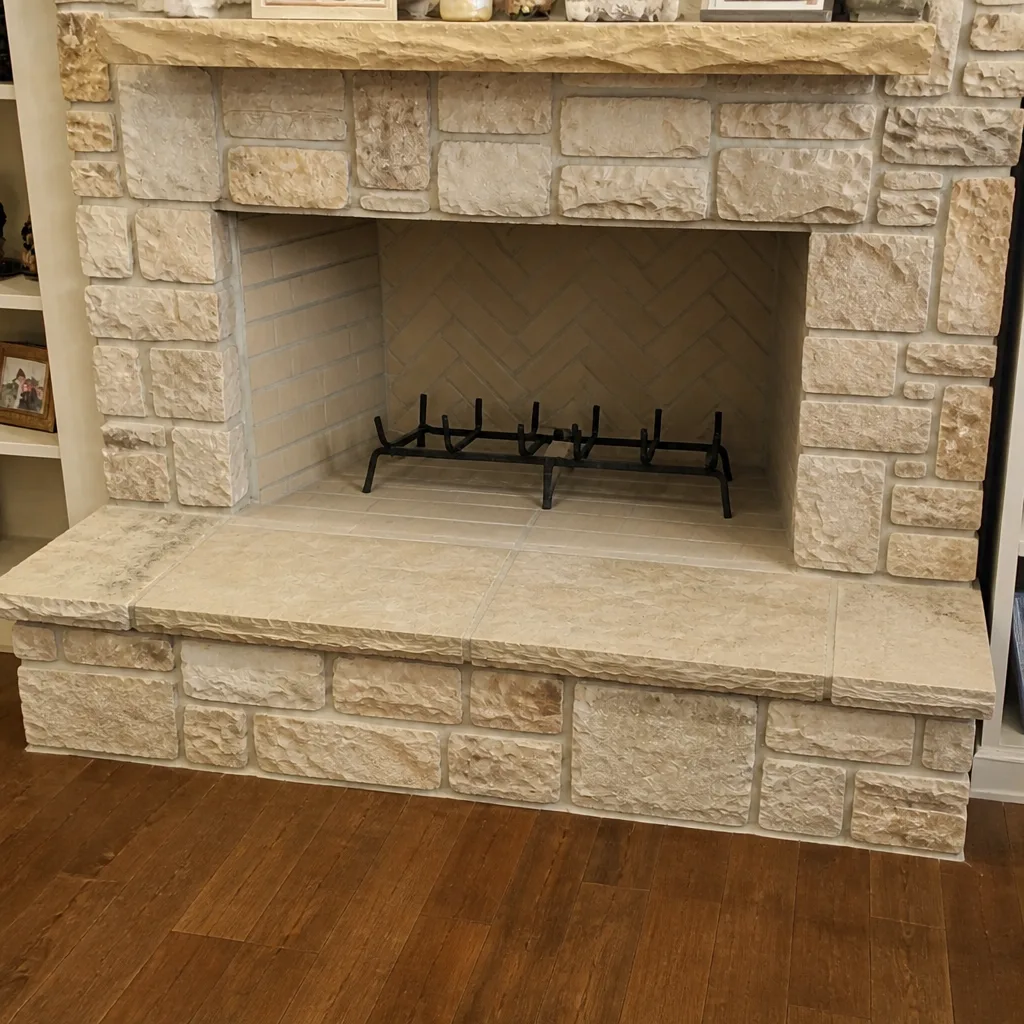
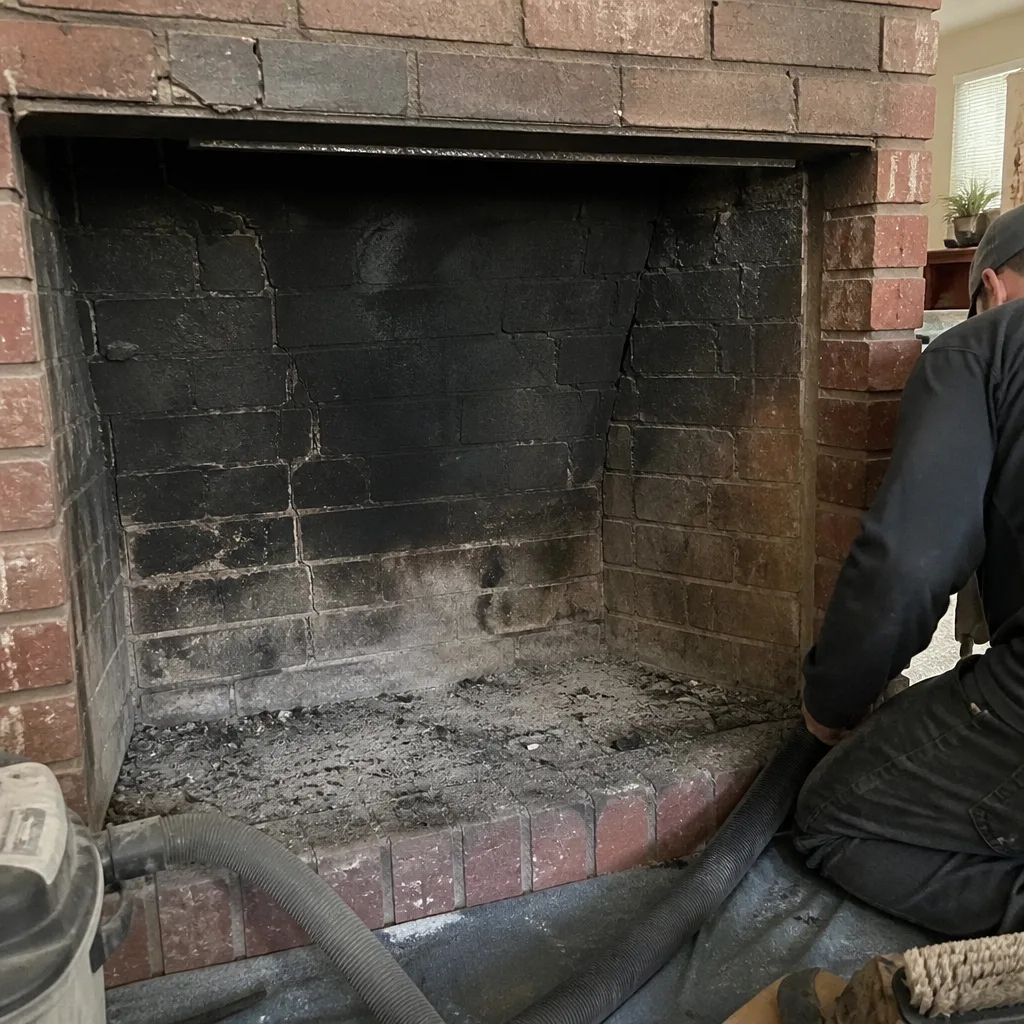
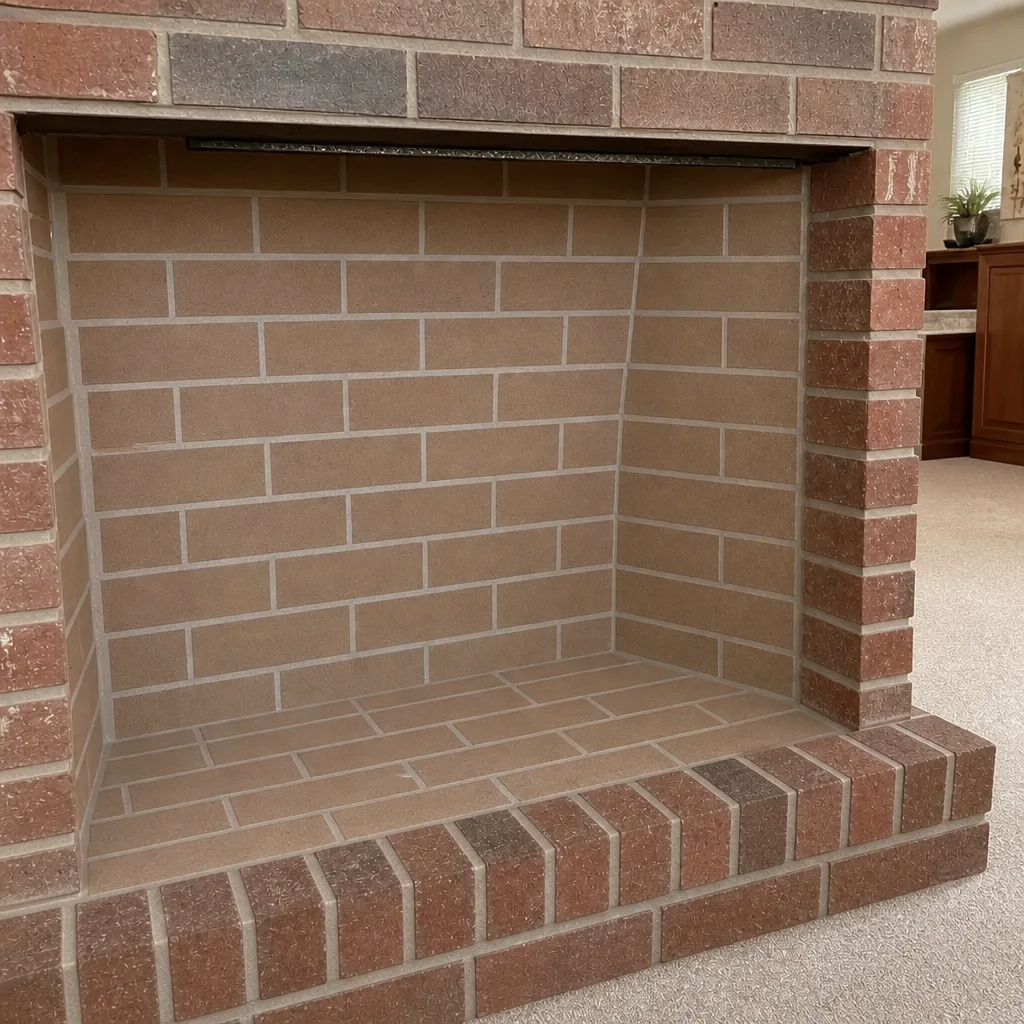
See the difference
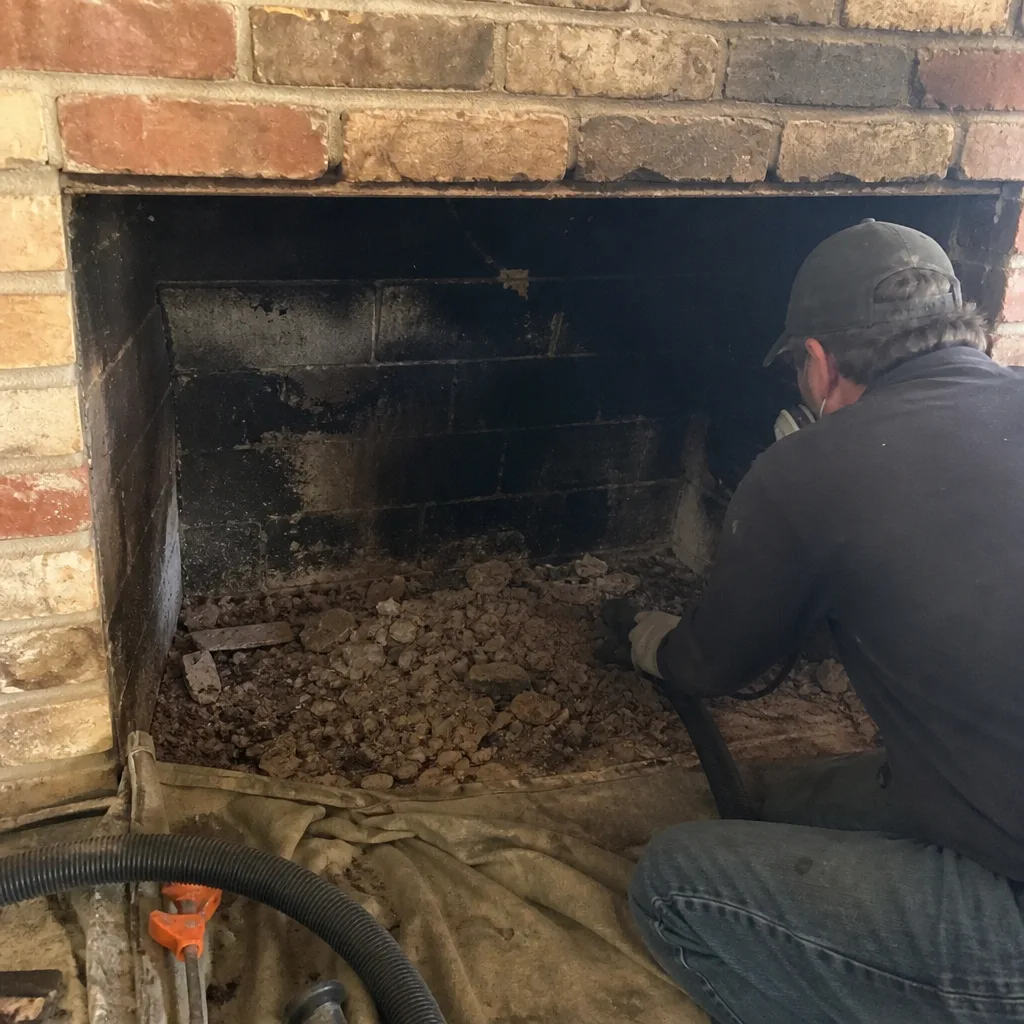 Before
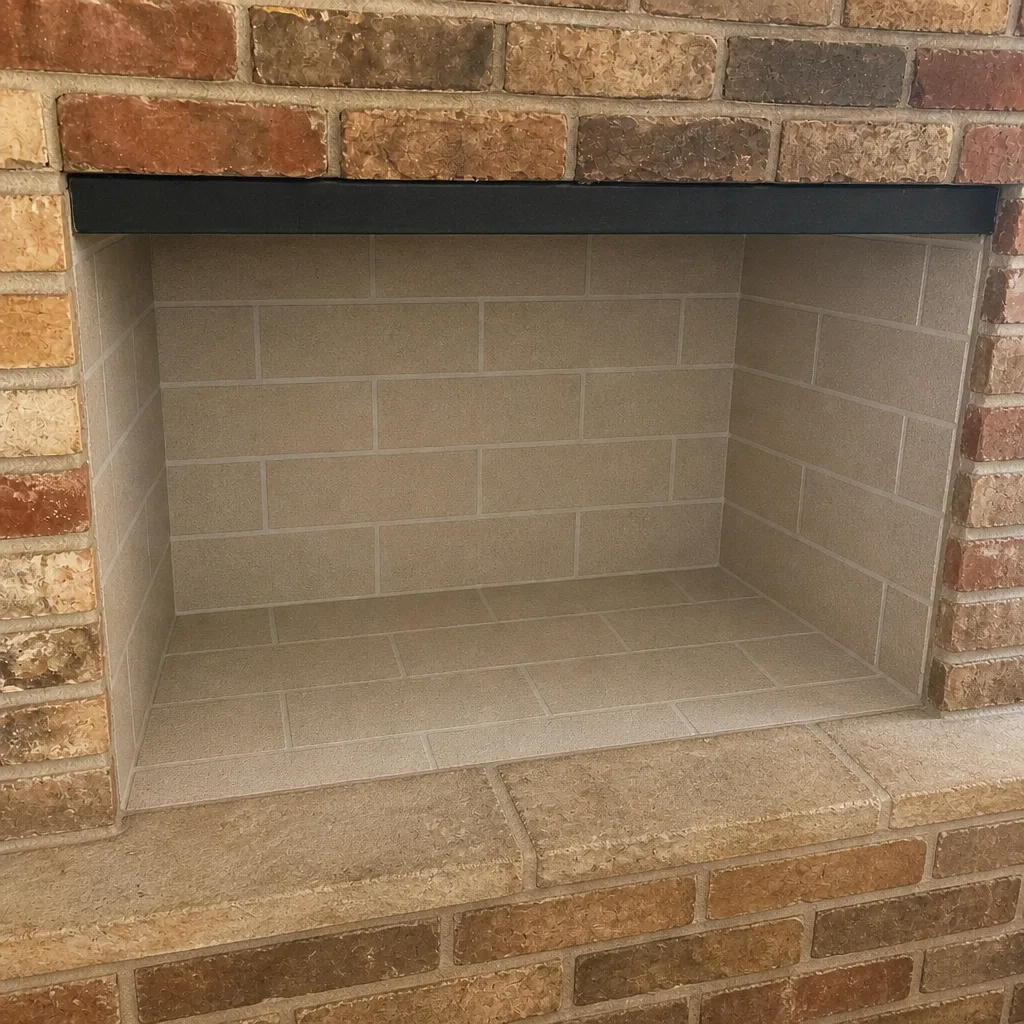 After
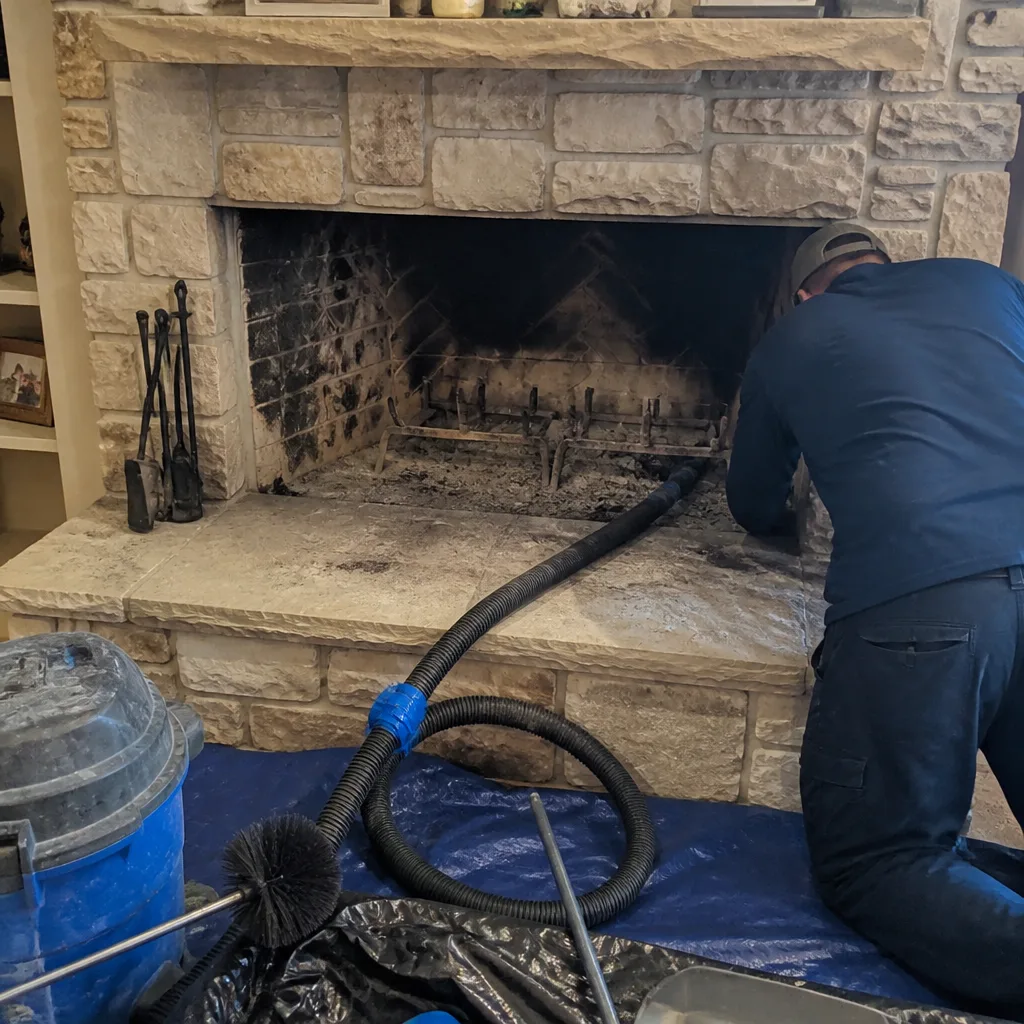 Before
 After
 Before
 After
When to Call a Professional
Call a professional when you find any stop-use condition, when your visual check from the firebox reveals anything beyond normal soot, or when you’ve tried the safe diagnostic steps and still don’t know which root cause applies. Call when the cap or crown has visible damage, when the firebox shows water staining or efflorescence, when creosote deposits are heavy or glazed, or when you’ve never had the chimney inspected. In Clear Lake, where the humidity drives moisture-related problems, an annual inspection is the simplest way to catch small issues before they become structural. Our technicians have up to 15 years of experience, and we can work with your insurer when repairs are covered. Chimney Sweep Clear Lake offers free estimates in Clear Lake. Call (855) 726-7805. We answer 24/7. Fast dispatch from 7am to 7pm, Sunday through Friday.
Frequently Asked Questions
Moisture-related issues top the list, because Gulf Coast humidity keeps chimneys damp longer than in dry climates. That includes failed caps and crowns letting water into the firebox, musty odors from moisture combining with creosote, and spalling brick from long-term water absorption. Draft problems and creosote buildup come next. Routine inspection catches all of them before they turn structural. Call (855) 726-7805 for an inspection and a written assessment.
Summer odors come from humidity softening creosote deposits and pulling out their volatile compounds, which then drift back into the house. This is a climate-specific issue, not a failed cleaning. The fixes involve sweeping before summer, ensuring the cap is properly fitted, and sometimes sealing the firebox during the off-season. Call (855) 726-7805 for a free estimate on cap and crown work.
Draft problems tend to be consistent, happening every time you light a fire under similar conditions, while blockages often appear suddenly after a season of good performance. A small test fire with no exhaust fans running helps distinguish them: if draw improves with a window cracked, pressure is likely the cause. If draw stays poor regardless, blockage or flue height is more likely. A professional inspection with a camera settles the question. Call (855) 726-7805.
Tar-like glaze in the flue indicates repeated low-temperature fires or wood that isn’t fully dry. It’s the creosote form most associated with chimney fire risk. Glazed creosote doesn’t brush off easily and often needs specialized removal, and if the liner is damaged underneath, resurfacing with HeatShield can restore it without a rebuild. Call (855) 726-7805 for an assessment before using the fireplace again.
Chimney problems are emergencies when you smell an acrid odor that isn’t normal wood smoke, hear roaring from the flue, see smoke coming from exterior masonry cracks, or have a carbon monoxide alarm sounding. Get everyone out of the house and call for help immediately. Do not use the fireplace again until it’s been inspected. Call (855) 726-7805 to schedule an inspection.
You can confirm whether backdraft is a pressure issue with a simple test: light a small fire with no exhaust fans running, then run a bathroom vent to see if the fire reacts. Confirmation is easy; fixing is not. Proper solutions often involve extending flue height, adding a draft-improving cap, or making airflow adjustments inside the house. A professional can measure draft and recommend the right fix. Call (855) 726-7805 for a free estimate.
The Bottom Line
Chimney symptoms are rarely random. Smoke in the room, summer odors, lazy fires, and water stains each point toward a specific mechanical cause, and the diagnosis is usually straightforward for someone who knows where to look. The key distinctions worth remembering: negative-pressure backdraft is a house problem, flue blockage is a physical problem, and insufficient draft height is a design problem. Creosote type tells you about combustion habits. Guazed creosote means stop using the fireplace. Moisture-related issues in Clear Lake’s humid climate strengthen the case for annual inspections and up-close checks of the cap and crown. We’ve seen all of these conditions in Clear Lake, and one thing is consistent: the earlier a problem is caught, the simpler and cheaper the fix. Call (855) 726-7805 for a free estimate, and know exactly what’s happening inside your chimney before the season starts.
Written by the team at Chimney Sweep Clear Lake.