
Last updated November 24, 2026
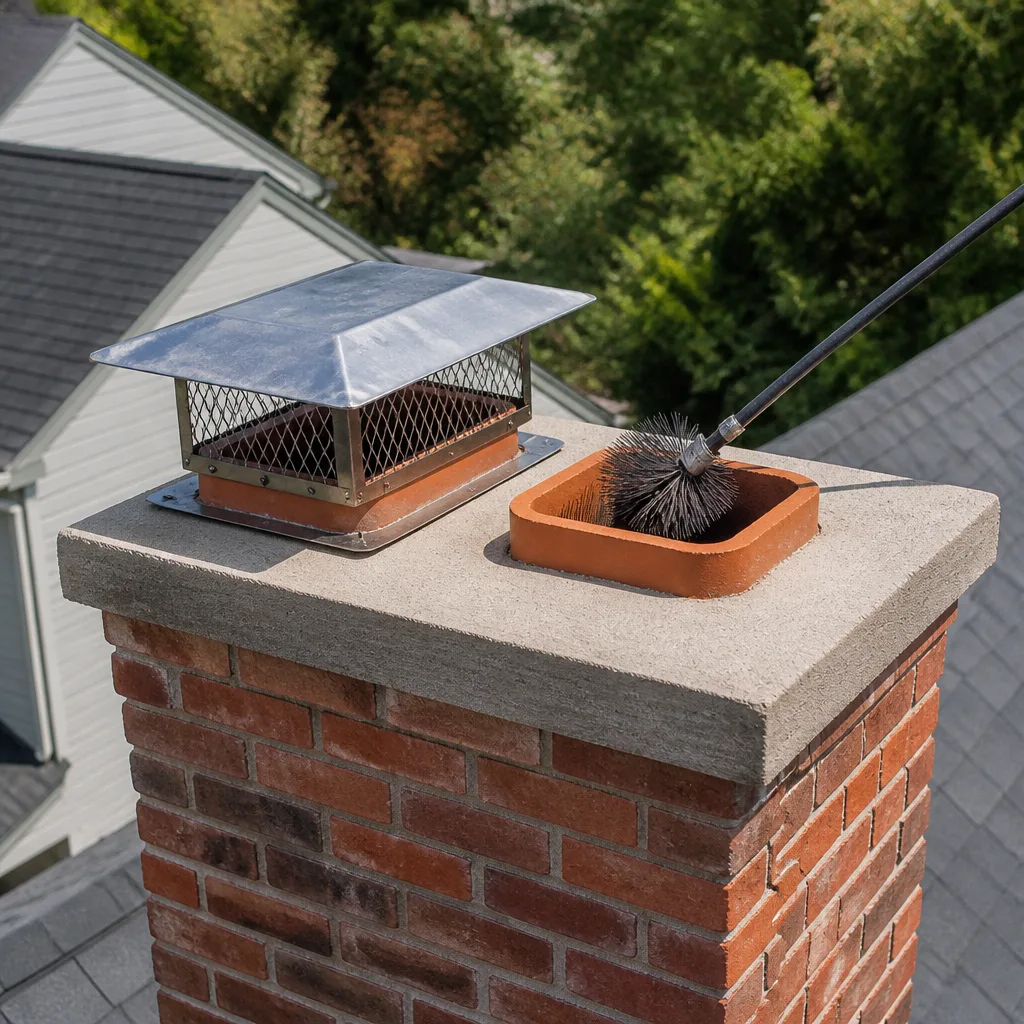 Sweep & inspection
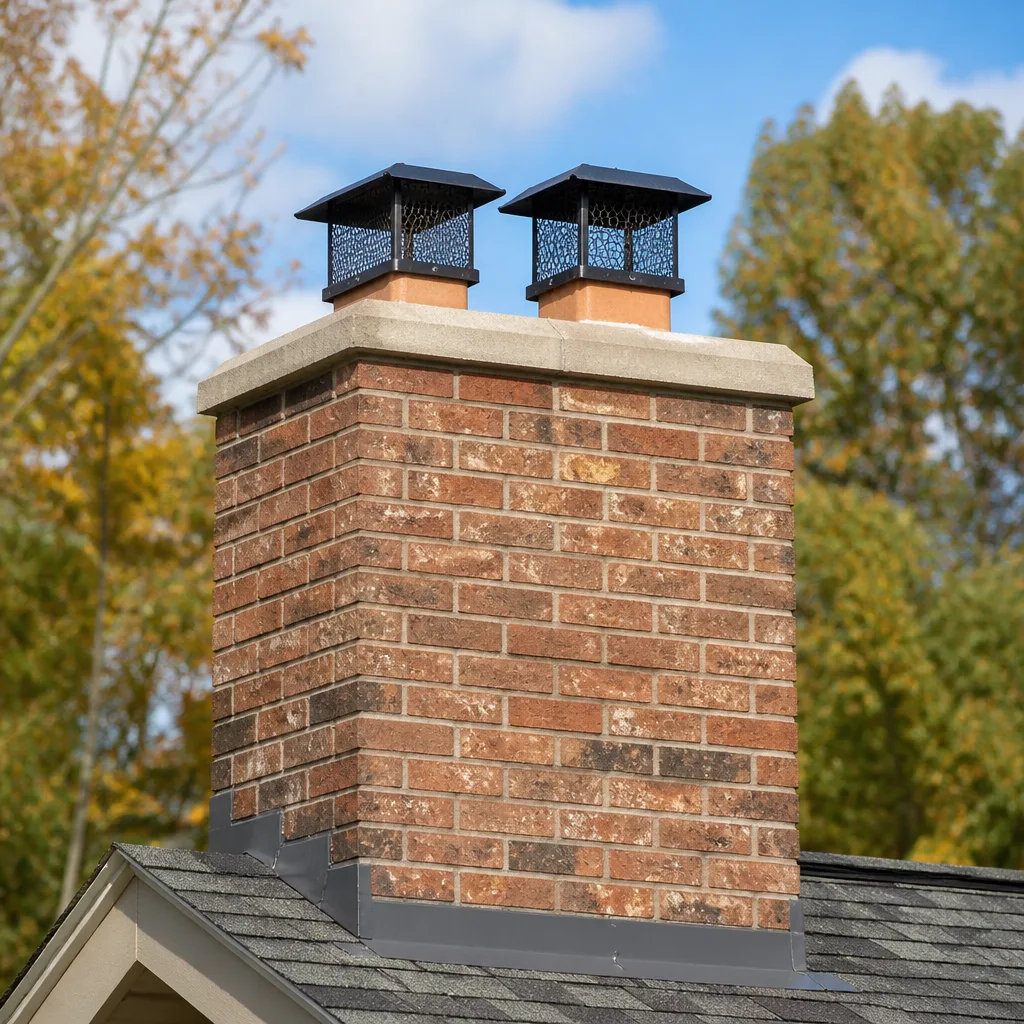 Caps & crowns
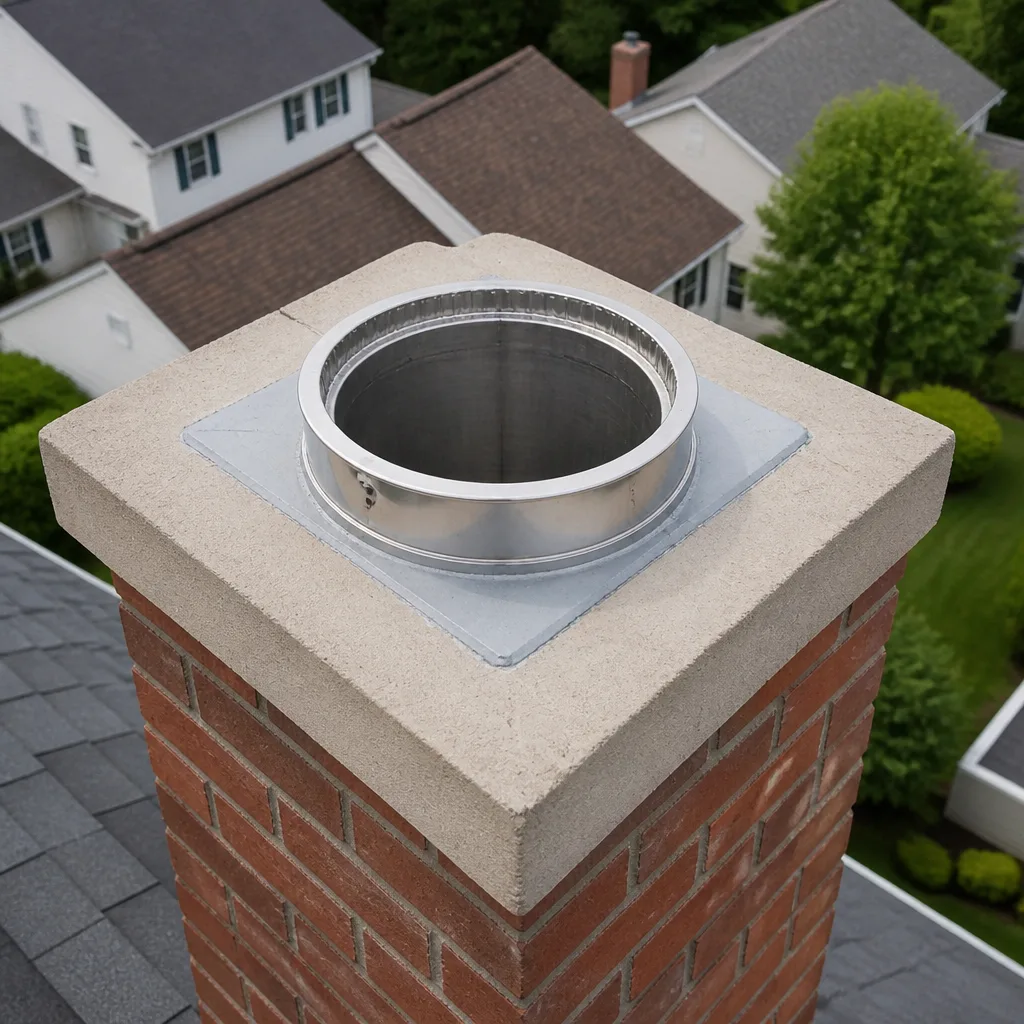 Flue relining
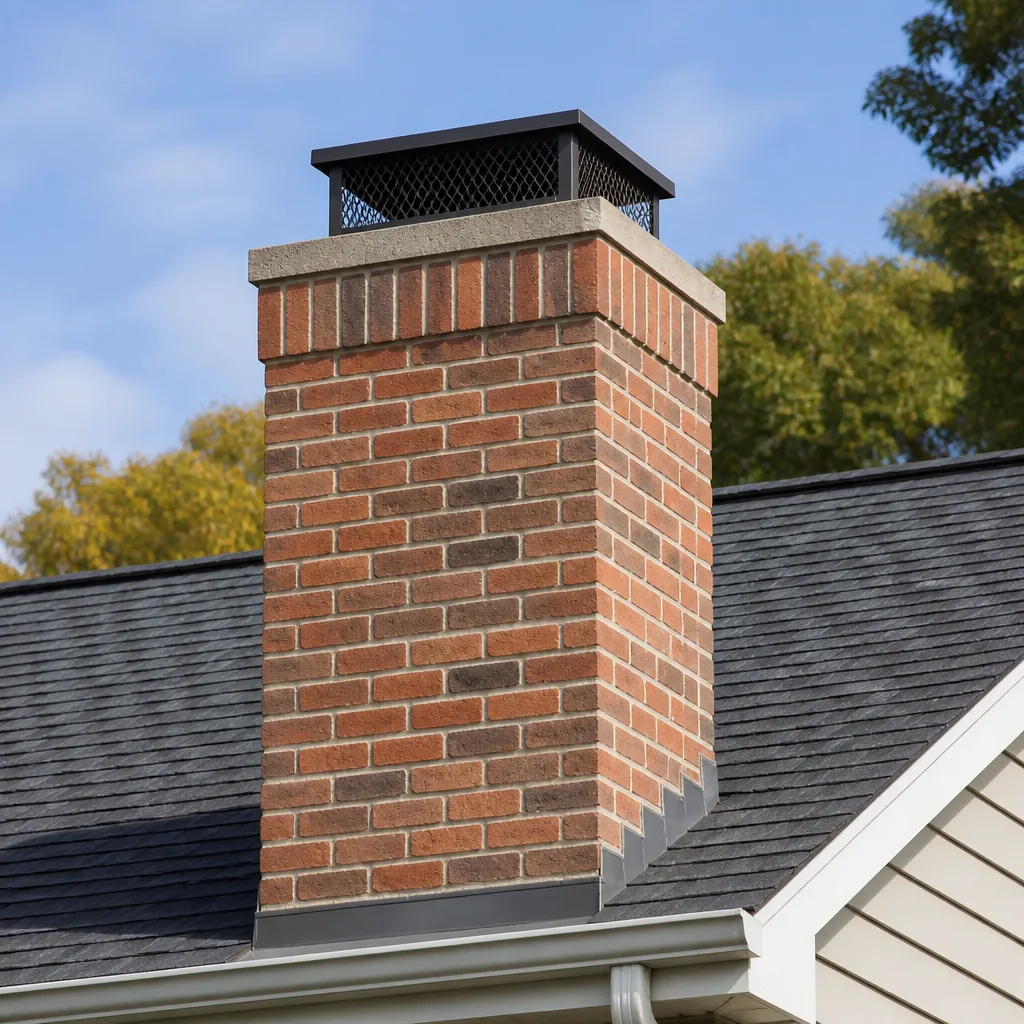 Masonry repair
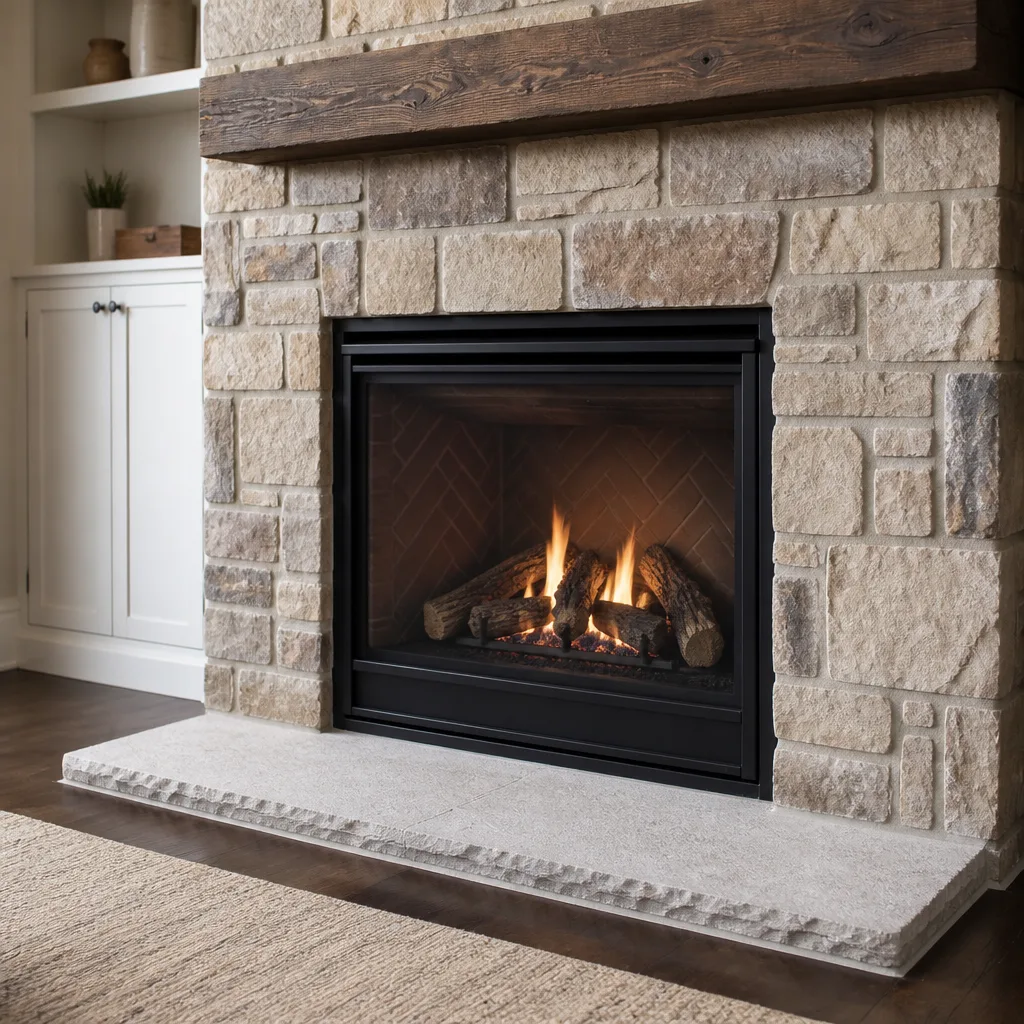 Gas fireplace service
Level 1 sweep and inspection to the NFPA 211 annual standard - flue, crown, cap, and flashing checked and photographed
Chimney sweep logs do not sweep chimneys. They loosen some creosote - which then falls where a brush and vacuum still have to collect it.
Chimney Cleaning Permits, Codes & Inspections in Clear Lake, TX: What You Need to Know
A chimney company that tells you chimney work never requires a permit is telling you the truth about cleaning and misleading you about everything after it. Sweeping a flue needs no paperwork in Texas. Rebuilding a crown, relining a flue, or replacing a firebox assembly can trigger permit requirements under the Texas Residential Code and local Harris County and City of Houston rules, and skipping that step tends to surface at the worst possible time: a home inspection, an appraisal, or a closing table. This guide walks Clear Lake homeowners through exactly where the line sits, what Section R1001 actually governs, and what documentation to keep in your files.
Quick Answer
Routine chimney cleaning in Clear Lake does not require a permit in Texas, but structural chimney repairs, liner replacements, and rebuilds often do under Texas Residential Code Section R1001 and local Houston/Harris County permitting rules. A Level 1 or Level 2 inspection before and after any major repair gives you the documentation a lender, insurer, or buyer will ask for during a resale.
Styles & brands we work with
- Sweep & inspection
- Caps & crowns
- Flue relining
- Masonry repair
- Gas fireplace service
Table of Contents
- What Does Texas Residential Code Section R1001 Govern?
- Chimney Cleaning vs. Chimney Repair: Where the Permit Line Sits
- Harris County and City of Houston Permit Thresholds for Chimney Work
- Does a Liner Replacement or Cap Installation Need a Permit?
- NFPA 211 Inspection Levels and Storm Damage: How They Interact
- What Documentation to Keep for Lenders, Insurers, and Title Companies
- How Chimney Inspections Work in Clear Lake
- Resale, Appraisals, and the Paper Trail Buyers Look For
What Does Texas Residential Code Section R1001 Govern?
Section R1001 of the International Residential Code as adopted in Texas (the “Chimneys and Fireplaces” chapter) sets the minimum construction and clearance requirements for masonry and factory-built chimneys, fireboxes, hearth extensions, damper assemblies, and clearances to combustibles. It does not say “you must pull a permit to clean a chimney.” It says how a chimney must be built, repaired, and maintained so that a fire inside it behaves safely. Local permitting authorities adopt this code and then attach administrative rules for when a permit application is required.
In plain terms for a Clear Lake homeowner: R1001 covers the standard of work, and the city or county covers the paperwork. Both matter. A liner installed without following R1001 clearance and material requirements can perform worse than the liner it replaced, and a repair done without a permit when one was required can complicate a home sale even if the work itself is sound.
What R1001 touches that concerns Clear Lake homes most often:
- Required clearance between a chimney and combustible framing, roof deck, and attic materials.
- Minimum flue tile or liner thickness and the joint-sealing requirements that keep flue gases inside the flue.
- Crown slope and cap installation so water sheds away from the flue rather than into it.
- Firebox, damper, and hearth extension dimensions for both wood-burning and gas fireplace inserts.
- Spark-arrestor and chimney cap requirements in the outdoor termination.
When we evaluate a Clear Lake chimney, R1001 is the standard we measure against, not a marketing list. It is also the standard a city inspector uses if a permit is pulled, which is exactly why we handle inspection, sweep, and repair under one roof rather than handing off the code-sensitive portion to someone else. From inspection to repair, the work is handled by one specialist team.
Chimney Cleaning vs. Chimney Repair: Where the Permit Line Sits
Here is the distinction that matters more than any other in this guide. A routine chimney sweep is maintenance: removal of creosote, soot, and debris. No permit. No structural change. No change to the footprint, the flue, or the structural envelope of the chimney. A sweep is the equivalent of an oil change, not a rebuild.
Repair work is different. Any repair that changes a structural component of the chimney or its clearance envelope is a modification, and modifications are what permits exist to record. The rough dividing line in Clear Lake and across Harris County looks like this:
- Maintenance (usually no permit): sweeping, standard cap installation on an existing flue, damper cleaning, removal of creosote from a firebox, minor mortar touch-up on a firebox interior.
- Repair (permit depends on scope): crown repair or replacement, tuckpointing of the exterior stack above the roofline, cap or spark-arrestor replacement that alters the flue termination.
- Alteration (permit usually required): liner replacement that changes flue diameter or material, full flue relining with a stainless system, structural rebuild of chimney masonry from the firebox up, installation of a fireplace insert that alters the flue, firebox rebuild.
- New construction or structural change (permit required): adding a chimney, extending a flue, changing the chimney’s height or footprint, or moving the hearth.
Storm damage and interior decay are what push a Clear Lake chimney from bucket one into bucket three, and this region gets its share of both. The good news: our technicians have up to 15 years of experience reading exactly that kind of damage and telling you which bucket you’re in with camera evidence, not guesswork.
Harris County and City of Houston Permit Thresholds for Chimney Work
The City of Houston issues permits for structural and mechanical work inside its limits. Unincorporated Harris County and several municipalities inside the Houston metro set their own thresholds, and most of Clear Lake sits in one of those overlapping jurisdictions. Two factors decide whether you walk into a permit office: the value and scope of the work, and whether the work touches a structural or life-safety component.
Practical thresholds we see referenced in the Clear Lake area:
- Pure chimney sweeping: no permit anywhere in the Houston metro, regardless of jurisdiction.
- Crown repair or spot mortar repair, minor scope: usually no permit; verify with the local building department because jurisdictions differ.
- Full crown replacement, structural tuckpointing, and chimney rebuild: typically triggers a permit as a structural masonry repair.
- Liner replacement using a listed stainless system such as DuraFlex: typically filed under a mechanical or structural permit depending on jurisdiction.
- Fireplace insert installation: almost always a mechanical permit, because the flue and clearances change.
The safe answer, every time: ask your city’s building department. We tell Clear Lake homeowners to make one call and ask one question: “Is a permit required for a chimney liner replacement at this address?” The answer takes two minutes and it decides how the job gets documented. Some jurisdictions will reply “not required for this scope”; others will say “yes, pulled under mechanical.” Both answers are fine as long as you get it in writing. What is not fine is a contractor who waves the question away.
If you’re also having chimney cap & crown work done, ask whether the crown replacement is being treated as repair or alteration. That single question usually surfaces whether a permit is needed.
Does a Liner Replacement or Cap Installation Need a Permit?
A cap installation on an existing flue typically does not require a permit. A full liner replacement often does, though thresholds vary by jurisdiction and by the material and structure of the flue. That gap is where most confusion lives, and where a homeowner can end up with a functionally excellent repair and no paper trail.
The reason a liner replacement can cross into permit territory is that the liner defines the flue’s performance envelope. R1001 requirements for liner thickness, joint sealing, clearances, and termination apply to any new liner, and the inspecting authority wants to see that the new system was installed to those standards. A stainless system like DuraFlex is designed to spec; the paperwork is what documents that it was installed to spec.
What we look at before recommending a liner, and what we document for the homeowner:
- Camera inspection of the full flue before any material is specified, so the recommendation is based on visible condition, not guesswork.
- Photo report of every defect the camera sees: cracked tile joints, spalled masonry, gaps, evidence of prior fire.
- A written scope that states the liner diameter, material, and termination, so the lender or inspector can read it six months from now.
- A comparison against the alternative of chimney repair in place of replacement, including HeatShield resurfacing where the flue is still structurally sound.
- A note on whether a permit is required, and the reason why, in writing.
HeatShield belongs in this conversation because it changes the permit question. Where a full liner replacement is one route, HeatShield resurfacing of a structurally intact flue is a repair-tier option that restores the flue’s interior without demolition. Whether that route requires a permit is a scope question for your jurisdiction, but it is often the smaller-scope answer for a Clear Lake home whose flue is weathered rather than failed.
NFPA 211 Inspection Levels and Storm Damage: How They Interact
NFPA 211 defines three levels of chimney inspection, and the level you need after storm damage or before a major repair is not always the level you got last time you had a sweep. The levels are the industry standard for evaluating chimney condition, and they line up with the permit-and-documentation question because a higher-level inspection is what produces the evidence a building department, lender, or title company will actually accept.
- Level 1: visual, accessible inspection of the chimney and connected appliance. Standard for a routine sweep in an unchanged chimney with no reported problem.
- Level 2: everything in Level 1 plus accessible portions of the attic, crawl space, and any flue not directly visible, typically using a camera. Required after a chimney fire, an event that damages the chimney, a change of appliance fuel or liner, or a property sale.
- Level 3: everything in Level 2 plus removal of parts of the chimney or building to access concealed areas. Used when the first two levels cannot answer the question, often because the flue’s interior or surrounding structure has been compromised.
After a windstorm or lightning strike, the practical scenario in Clear Lake is a Level 2: the visible portions look fine, but the flue’s interior needs a camera to confirm it isn’t cracked, offset, or blocked by debris. That Level 2 report is also the piece of paper that answers “was this storm damage?” for an insurance claim, and “was this repaired to standards?” for a future buyer.
If a Level 2 or Level 3 turns up structural damage, the repair scope is where the permit question lands. A Level 3 inspection that reveals a rebuild from the firebox up is not maintenance by any reasonable definition, and your jurisdiction will usually want the rebuild on file. Getting the inspection done first, then the permit scope set, is the order that keeps the paper trail clean.
For kitchen-side ventilation that shares the same chase and rooftop penetration, we see the same permit-scope question raised around Gelco and Famco ducting components. The rule is consistent: an in-kind replacement of an existing component is a repair; a change in the system’s material or route is an alteration.
What Documentation to Keep for Lenders, Insurers, and Title Companies
Lenders, insurers, and title companies are not looking for a receipt from a sweep. They’re looking for evidence that a chimney is structurally sound and that any repair it has had was installed to code. That evidence is a documented inspection report plus, where required, a permit and the final inspection sign-off. Keep both, and keep them where the next owner of the home will find them.
The documentation packet we recommend Clear Lake homeowners assemble:
- A current Level 1 or Level 2 inspection report with photos and the level stated at the top.
- Any permit numbers and the final sign-off documentation for prior repairs.
- Material specification sheets for installed components, such as the liner manufacturer sheet or a HeatShield application record.
- Photos of the chimney before and after the repair, taken from the same angles.
- A written statement of the repair scope, dated and signed by the contractor.
Why this matters at resale in Clear Lake specifically: the Houston metro’s home inspection standards flag chimney condition, and an inspector who finds evidence of prior repair with no documentation will often escalate the issue to a specialist inspection before the buyer moves toward closing. Having the paperwork in hand turns a week-long negotiation into a two-minute handoff. When you’re ready to have the inspection done, or when you need the standalone inspection that will serve as the anchor for the packet, we offer it as a service on its own.
How Chimney Inspections Work in Clear Lake
A chimney inspection is not the same as a sweep, though we usually do both in the same visit when the homeowner books both. The inspection produces the written and photographic record; the sweep clears the flue so the inspection can actually see the interior surface. When we do both, the order is: initial visual, camera run, then sweeping, then a second camera pass to document the post-sweep condition. That second pass is often where hidden defects become visible, because creosote glazing hides cracked tile joints.
What you can expect during an inspection at a Clear Lake home:
- Exterior review of the stack, crown, cap, and flashing from the roof or a safe vantage point.
- Interior review of the firebox, damper, smoke chamber, and thimble where accessible.
- Camera inspection of the full flue to the top of the stack.
- Clearances check at the attic and roof penetrations, where most clearance violations live.
- Photo report with each finding, its location, and a plain-English note on whether it’s cosmetic, a repair, or a permit-scope alteration.
The single most useful thing about the photo report is that it lets you verify the recommendation yourself. We won’t recommend a liner, a rebuild, or a HeatShield application without the camera evidence that says the work is necessary, and when the correct answer is “monitor this and revisit next season,” we say so in the report. A clean flue is the first step; a sound one is the goal, and the report tells you which one you have.
In our experience working across Clear Lake neighborhoods, the most common finding in homes with gas fireplaces is not a failing liner; it’s a missing or improperly sized cap. That’s a repair, not a permit-scope change, and it’s the kind of thing worth fixing the same visit as the sweep. Homes with wood-burning fireplaces are likelier to trip the permit threshold because the creosote loads and the resulting flue damage run deeper.
Resale, Appraisals, and the Paper Trail Buyers Look For
When a Clear Lake home is under contract, the chimney enters the transaction twice: once through the inspector’s findings and once through the appraiser’s condition review. What buyers and their agents actually want to see is not the age of the chimney; it’s evidence that any defect has been resolved and that the resolution is documented. A missing permit from a prior liner replacement is a common reason for renegotiation, even when the work itself was sound.
The cleanest way to handle this is to have the inspection done before the home is listed, not after the buyer’s inspector flags something. A Level 2 inspection report from a specialist, with photos, gives your listing agent a marketing asset (documented chimney condition) and short-circuits most of the back-and-forth. If a permit-scope repair turns up, handle it before the listing goes live, keep the permit and the final sign-off, and staple the whole packet to the disclosure.
For a pre-purchase inspection, we do the same work a homeowner would order: a documented condition assessment that either becomes the buyer’s negotiating tool or the seller’s evidence that the chimney is fine. Clear Lake’s housing stock includes a lot of homes that have been through multiple owners, and the paper trail is often incomplete. A fresh inspection closes that gap more cheaply than a full liner replacement, and it is the right first step for almost every resale.
If the report turns up firebox or damper damage, that’s the moment to look at fireplace repair before the closing date lands. It is also the moment to ask your agent to hold three business days for the repair scope, because a same-day repair is often possible once the scope is set.
Common Mistakes to Avoid
- Assuming “no permit needed” applies to every job. It applies to sweeping, not to repairs. Ask the question job by job, not chimney by chimney.
- Letting a repair be done without a written scope. A scope-less repair is a repair with no paper trail, and a paper-trail-less repair is a resale complication waiting to happen.
- Skipping the camera inspection to save a hundred dollars. The camera is what tells you whether the recommendation is a cleaning or a repair, and it’s what a permit office will ask to see if the scope is large.
- Trusting a sweep-only company to flag permit-scope issues. Many sweep-only operations can identify damage but have no repair capability, which means the next contractor re-evaluates the whole chimney and may ask for a permit the first one never mentioned.
- Replacing a liner when HeatShield resurfacing would do. A structurally intact flue can often be resurfaced; a failed flue needs a liner. The distinction matters both for cost and for the permit question.
- Forgetting to ask which jurisdiction issues the permit. Clear Lake touches City of Houston and unincorporated Harris County, and the two have different administrative steps.
- Pulling a permit but never closing it out. An open permit is worse at resale than no permit, because the buyer’s agent sees it and escalates. Get the final inspection sign-off in writing.
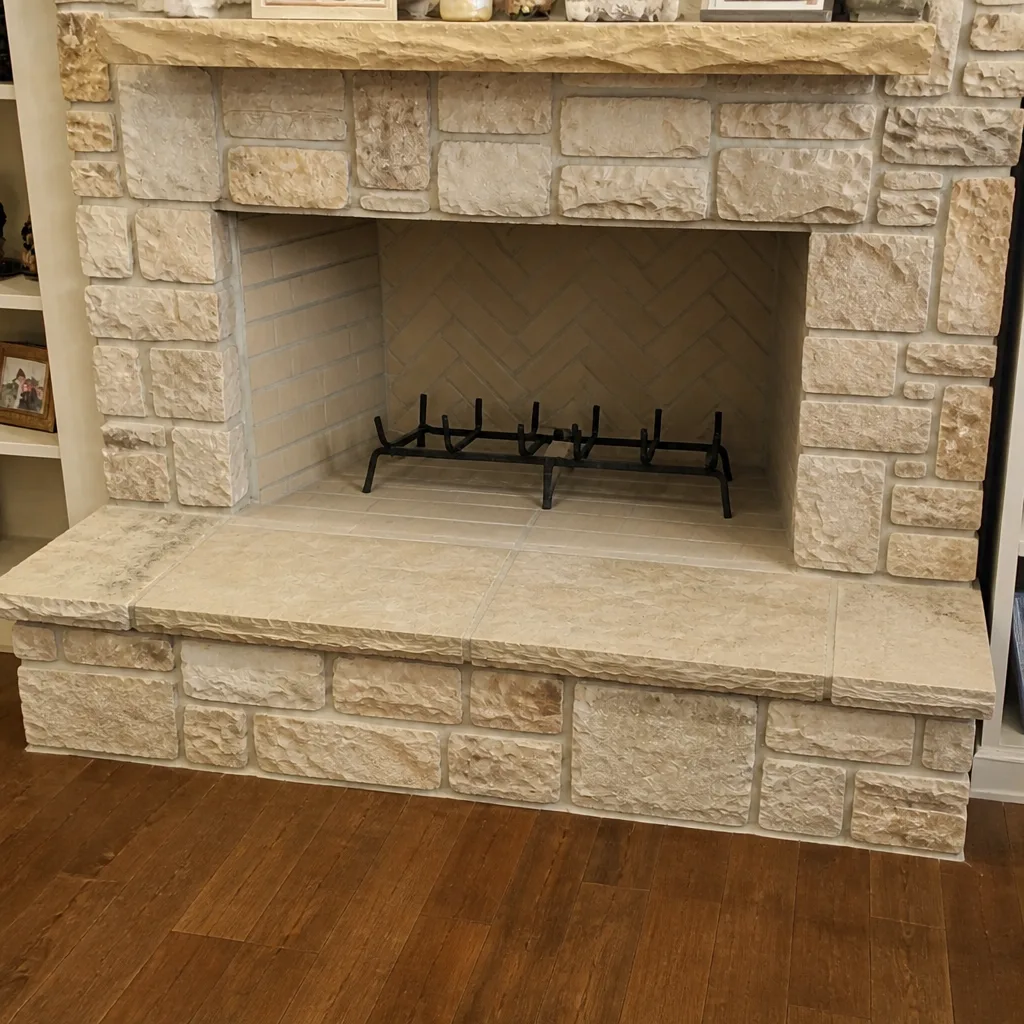
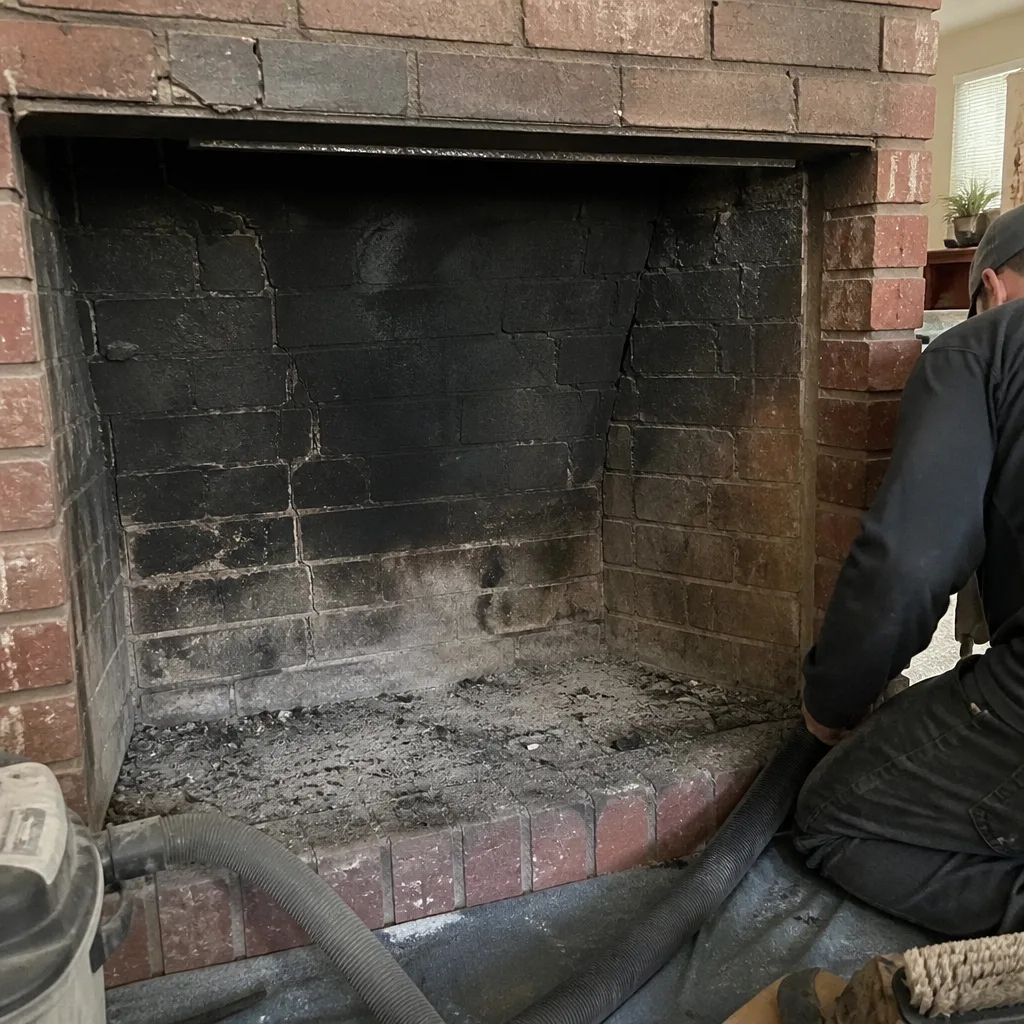
See the difference
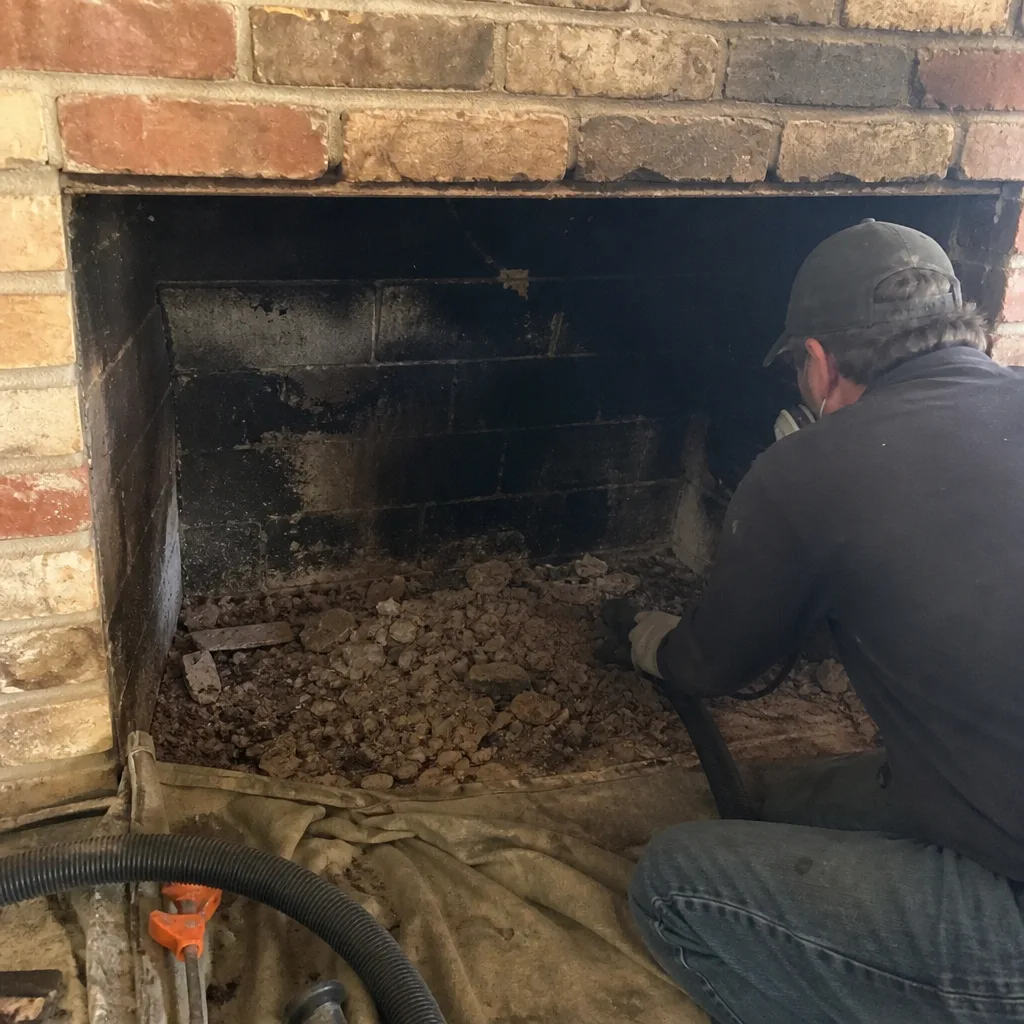 Before
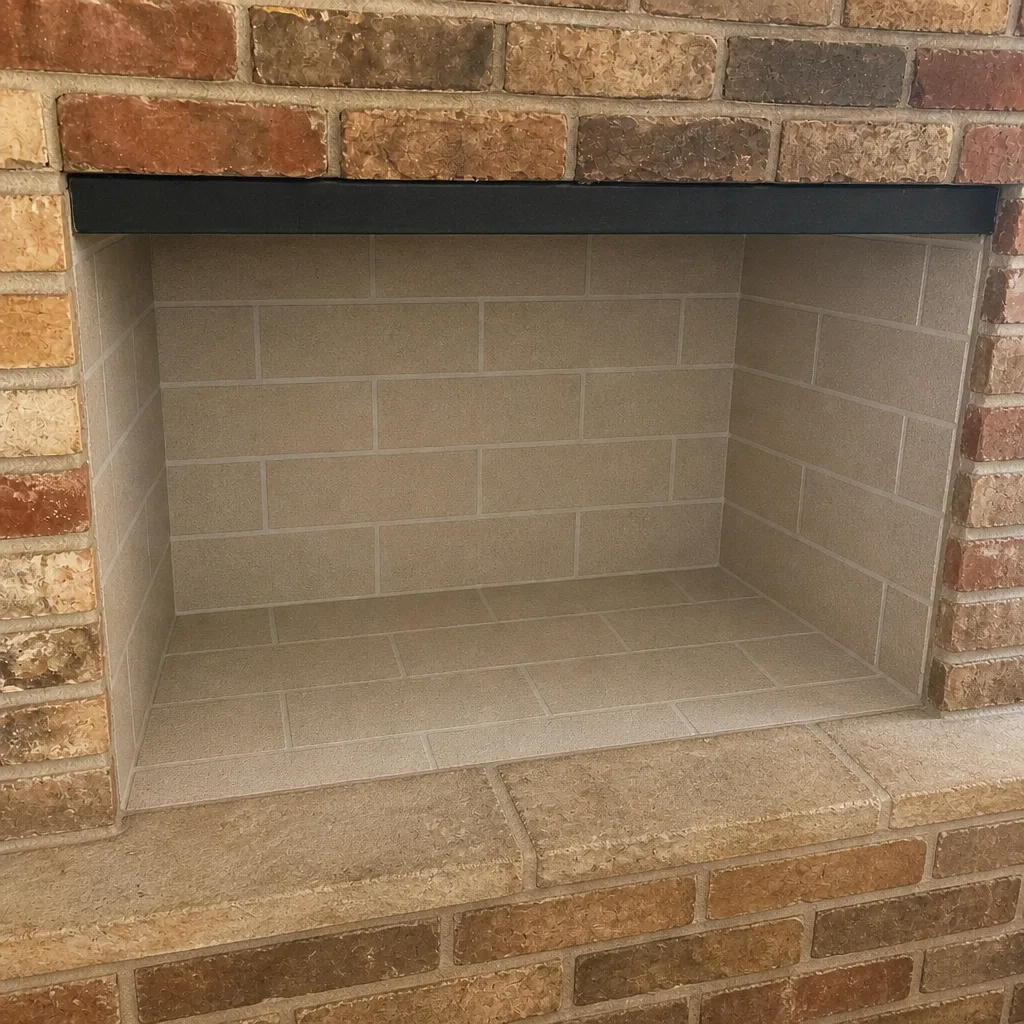 After
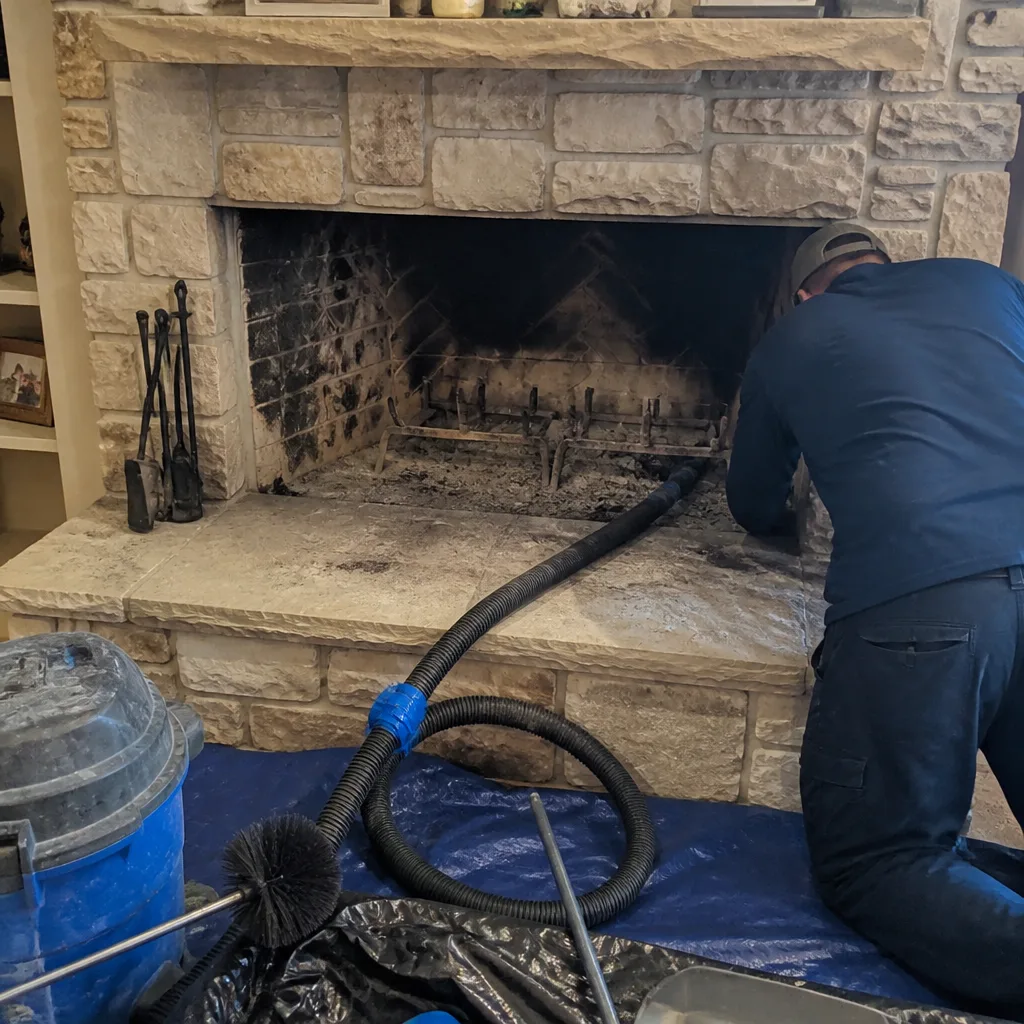 Before
 After
 Before
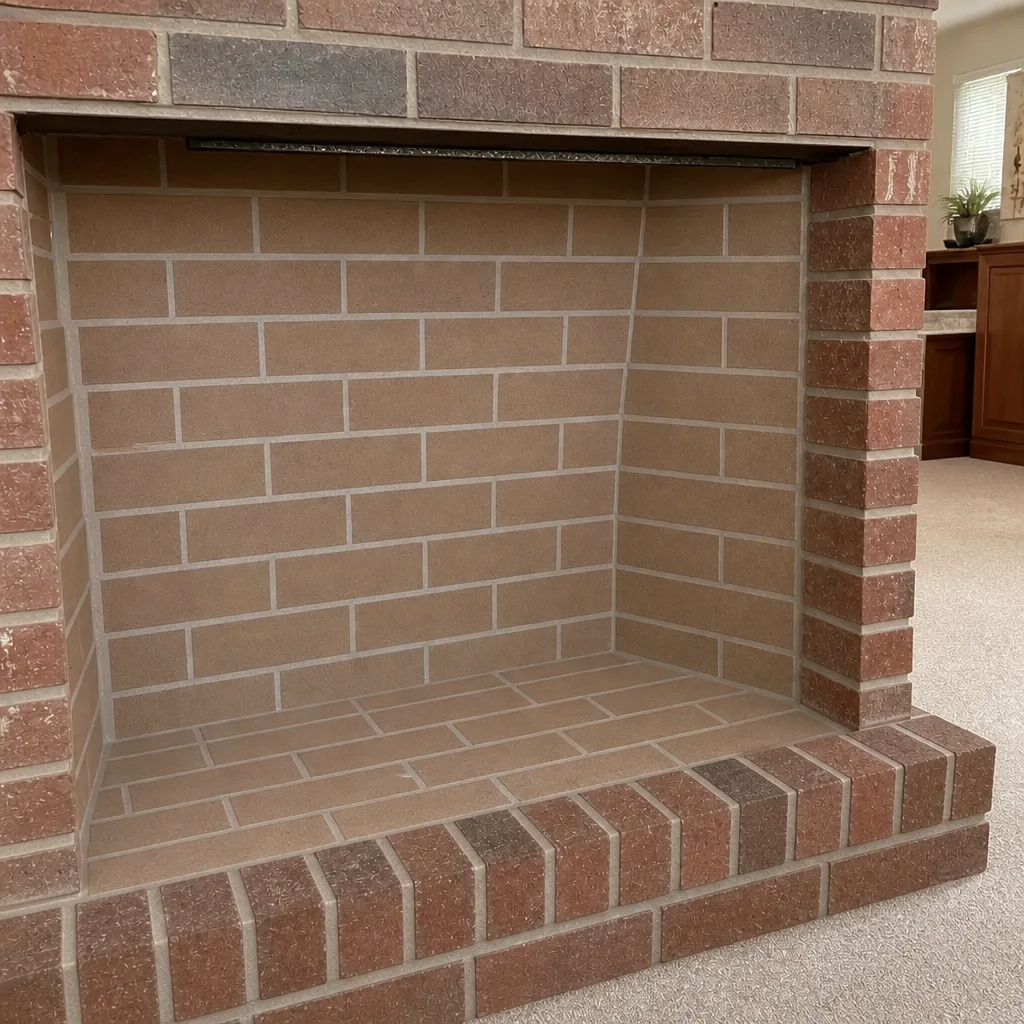 After
When to Call a Professional
Call a specialist when you see or smell anything off: smoke rolling back into the room, a damper that closes hard or not at all, soot streaks around the firebox, a chimney that smells like a campfire in July, a cap that’s blown off after a storm, brick spalling at the roofline, or a chimney that was flagged in a home inspection. Call when a lender, insurer, or title company asks for documentation you don’t have. Call before you install a fireplace insert, before you replace a liner, and before a major repair that will need a permit, so the inspection and the scope are set before the paperwork begins. Our technicians have up to 15 years of experience with the code and inspection questions that come up around Clear Lake homes, and we’d rather answer them before the work starts than after. Chimney Sweep Clear Lake offers free estimates in Clear Lake. Call (855) 726-7805. We answer 24/7. Fast dispatch from 7am to 7pm, Sunday through Friday.
Frequently Asked Questions
No. Routine chimney cleaning (sweeping) does not require a permit in Clear Lake or anywhere in the Houston metro, because it is maintenance of an existing chimney, not a structural change. Repair work that follows a sweep may require a permit depending on scope. Call (855) 726-7805 for an exact quote, and we’ll tell you which side of the line your job sits on. Estimates are free.
Often yes, though the threshold varies by jurisdiction and by the liner material. A full stainless liner replacement typically crosses from maintenance into alteration, because the flue’s material and sometimes its diameter change. Call your city’s building department and ask the question directly, or call us and we’ll walk through the scope with you. (855) 726-7805, estimates are free.
A sweep removes creosote, soot, and debris. An inspection evaluates the chimney’s condition and produces a written, photographed report on structural integrity, clearances, and any defects. We do both, sometimes in the same visit, and we always do the camera run before and after the sweep so the report reflects the chimney’s actual condition, not the creosote’s. Call (855) 726-7805 to book an inspection.
A Level 2, in almost every case. Storm damage is an “event” under NFPA 211, and a Level 2 inspection includes camera access to the flue’s interior plus the attic and any concealed flue runs, which is what catches the damage storms leave behind. A Level 3 is reserved for cases where the first two levels can’t answer the question. Call (855) 726-7805 for a free estimate.
The inspection report that identified the defect, any permit number and final inspection sign-off, the material specification sheets for installed components, before-and-after photos, and the written repair scope. This packet is what a lender, insurer, or title company will ask for at resale. Call (855) 726-7805 to order a documented inspection that starts the packet.
You can, but a flagged chimney is one of the more common renegotiation triggers in the Houston metro’s resale market, because a buyer’s inspector who finds a defect without repair documentation will often escalate to a specialist inspection before closing. The cleaner answer is to have the inspection and the repair done before the listing. Call (855) 726-7805 for a free estimate.
The Bottom Line
Chimney cleaning in Clear Lake doesn’t need a permit. Chimney repair often does, and the paperwork is what protects the value of the home at resale. Section R1001 sets the standard of work; your city or county sets the permit requirement; NFPA 211 sets the inspection level that produces the documentation both of them accept. We handle the whole arc, from sweep to inspection to cap and crown to full repair, so the code and permit questions are answered by the same specialist who does the work. That’s the reason to call a chimney-only company instead of a general contractor. Call (855) 726-7805 for a free estimate.
Written by the team at Chimney Sweep Clear Lake.