
Last updated November 24, 2026
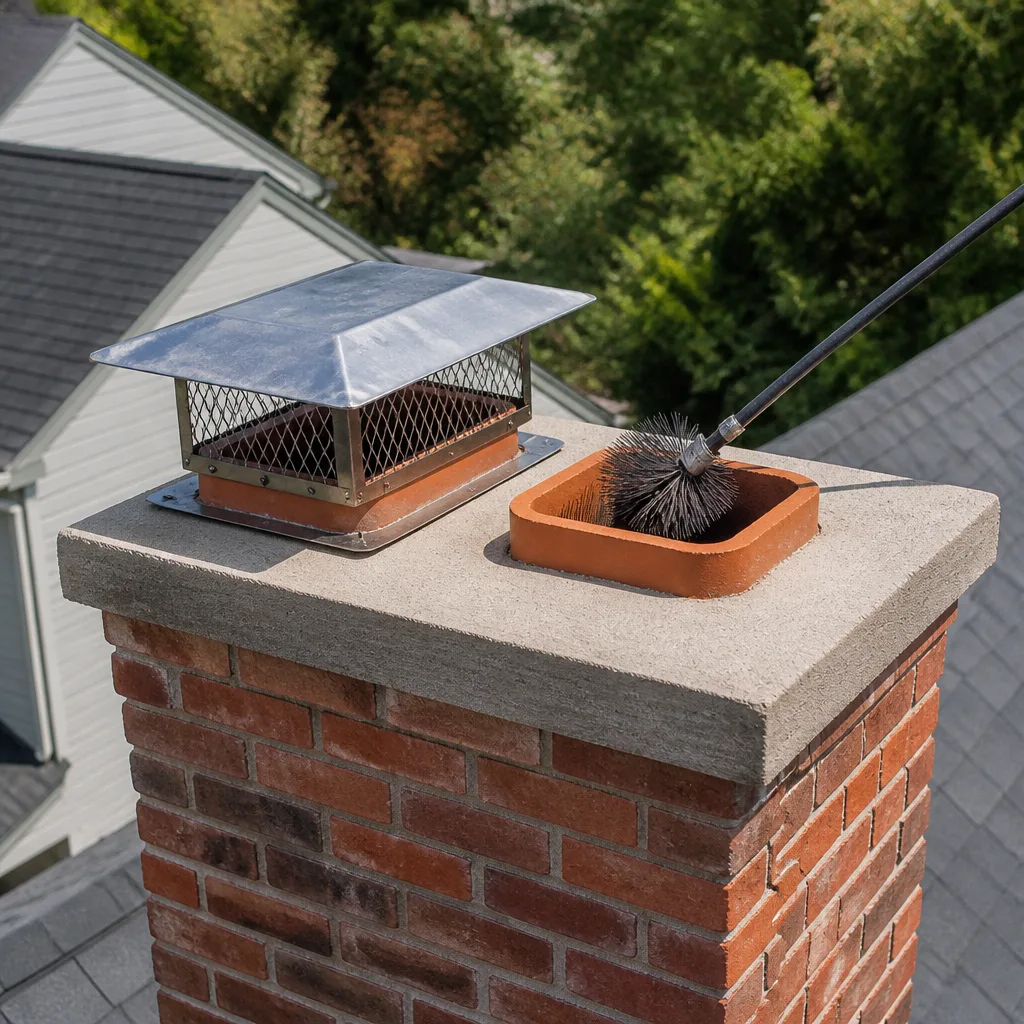 Sweep & inspection
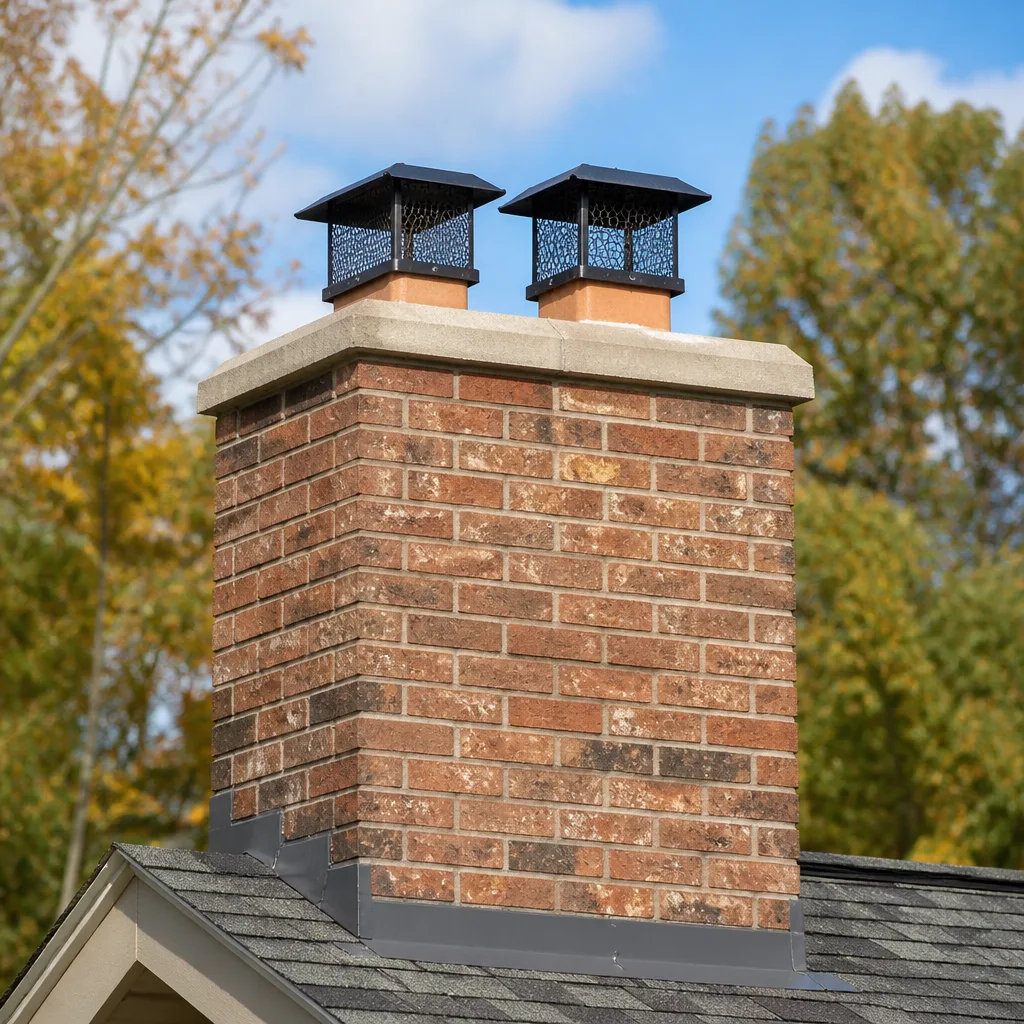 Caps & crowns
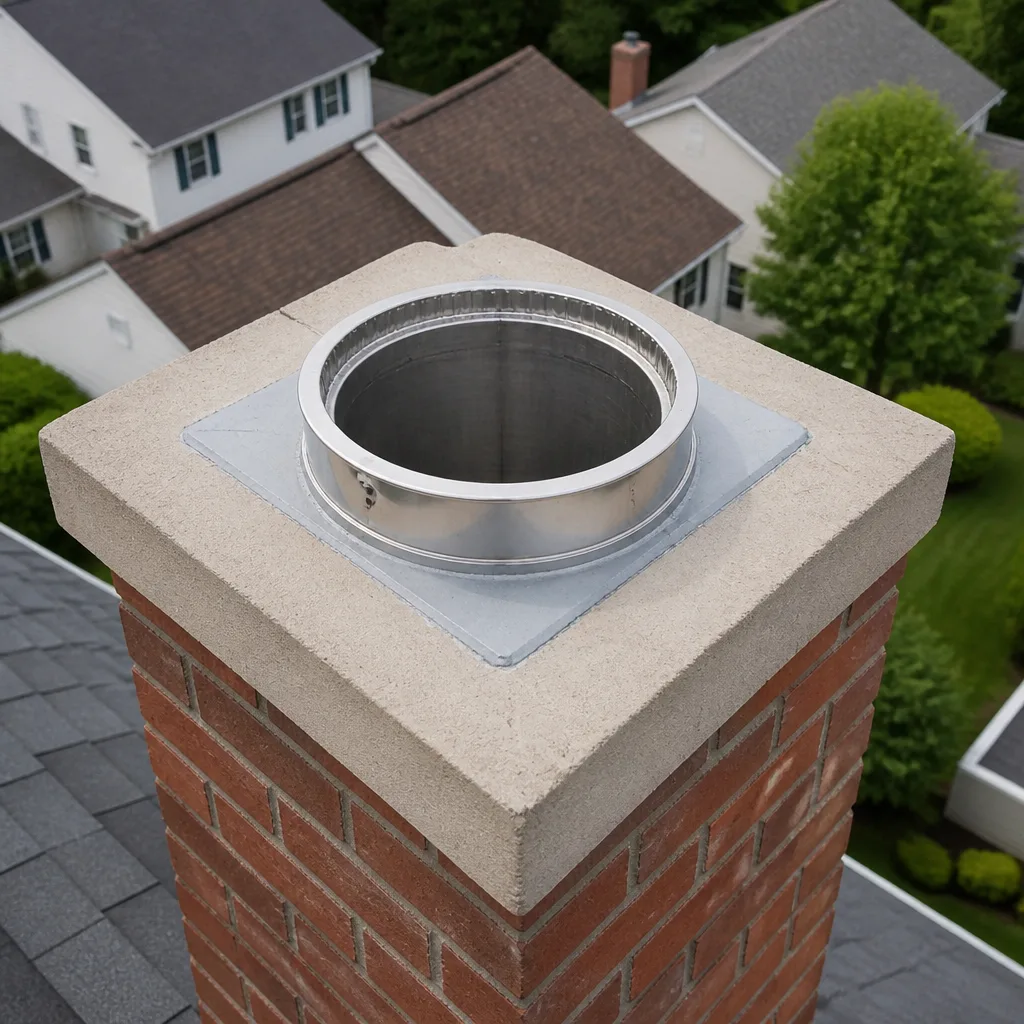 Flue relining
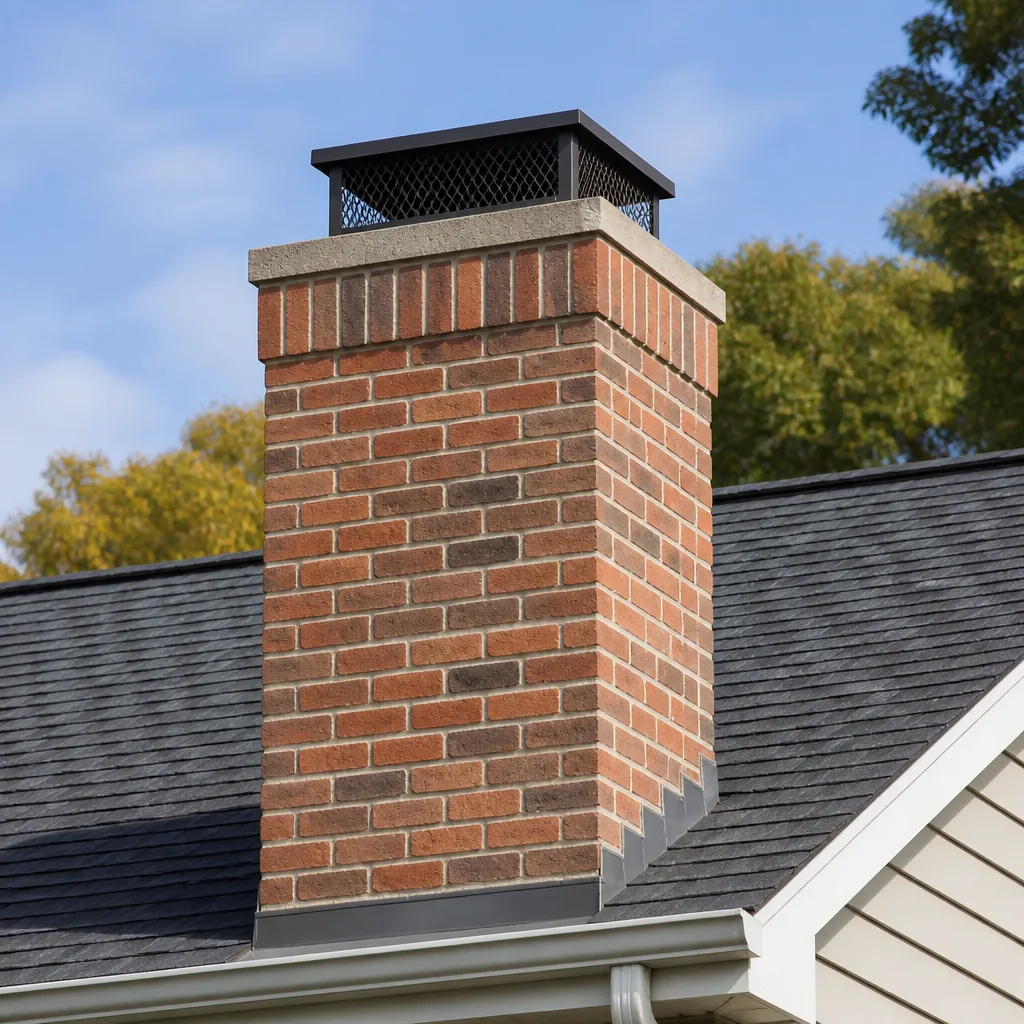 Masonry repair
 Gas fireplace service
Level 1 sweep and inspection to the NFPA 211 annual standard - flue, crown, cap, and flashing checked and photographed
Chimney sweep logs do not sweep chimneys. They loosen some creosote - which then falls where a brush and vacuum still have to collect it.
Chimney Sweep Maintenance Checklist for Clear Lake Homeowners
A chimney that sat unused all summer is not a dormant chimney. It’s one that’s been trapping humidity, hosting insects, and quietly softening its mortar joints while the house stayed closed up. That’s the part most Clear Lake homeowners miss: in a mild, wet climate, the months your fireplace is off are the months your chimney does its slowest damage. This guide is a working checklist built for how chimneys actually age in Clear Lake, not a generic winter-fires-every-night routine borrowed from a colder map. You’ll get the pre-season items, the post-storm items, what you can safely check yourself, what needs a camera, and how to log it all so it holds up later.
Quick Answer
A Clear Lake chimney maintenance checklist should be run twice a year: once in early fall before the first burn, and once after storm season ends. The core items are a professional sweep and inspection, a look at the cap, crown, and flashing for water intrusion, a check for animal nests and insect activity, and a written record of everything found. Humidity and infrequent use drive most damage here, so moisture control matters more than creosote volume.
Styles & brands we work with
- Sweep & inspection
- Caps & crowns
- Flue relining
- Masonry repair
- Gas fireplace service
Table of Contents
- Why a Clear Lake Chimney Checklist Looks Different
- The Pre-Season Checklist: Before the First Burn
- Post-Storm Inspection: What to Check After the Rainy Season
- Cap, Crown, and Flashing: The Water-Entry Points
- Animal and Insect Intrusion: The Spring Spike
- What You Can Check Yourself vs. What Needs a Camera
- How to Log Maintenance for Insurance and Resale
- Common Mistakes to Avoid
- When to Call a Professional
Why a Clear Lake Chimney Checklist Looks Different
Most chimney care advice online is written for places with long, cold winters and daily fire use from October to April. Clear Lake isn’t that. Winters here are mild, fires are occasional, and the fireplace often goes weeks without a log. That changes the threat profile completely.
When a chimney burns hot and often, creosote builds up fast and the main risk is a flue fire. When a chimney burns rarely and sits between uses, the main risks shift toward moisture, dormant pests, and slow deterioration of the masonry and mortar. Warm, humid air moves through an unused flue and condenses on cooler surfaces. Mortar joints absorb that moisture and weaken over time. A cap that’s missing or damaged lets rain straight in. None of this announces itself with smoke backing up into the room. It just quietly gets worse.
Clear Lake’s position near the water and its subtropical storm seasons add another layer. Heavy rain events and tropical systems push water against the crown, the flashing, and the top of the chase. Chimneys that look fine in a dry month can show staining, rust, or loose mortar after a wet one. So a maintenance routine here has to be built around water and weather, with creosote as a secondary-but-still-real concern. Our technicians have up to 15 years of experience working chimneys in this climate, and the pattern is consistent: the problems we find in Clear Lake are usually water problems before they’re fire problems.
That’s the reframe this whole checklist rests on. You’re not just managing soot. You’re managing moisture, pests, and storm exposure on a structure that sits above your roofline taking everything the weather throws at it.
The Pre-Season Checklist: Before the First Burn
Run this in early fall, before you light the first fire of the season. It’s the single most important pass of the year, because it catches everything that happened during the off months.
Start with the things you can see and smell from the room. Then move to the exterior, then book the professional sweep and inspection. Here’s the sequence we recommend:
- Look up the flue from the firebox with a flashlight. You’re checking for visible soot buildup, animal debris, and any light coming through that shouldn’t be.
- Smell the firebox and the room around it on a humid day. A musty or smoky odor with no fire burning points to moisture or a draft problem.
- Check the damper opens, closes, and seats fully. A damper that sticks or won’t close lets conditioned air and humidity straight up the flue.
- Walk the exterior and look at the cap, crown, and the flashing where the chimney meets the roof. Note cracks, rust, missing screens, or staining.
- Book a professional sweep and inspection before you use the fireplace. This is the item that finds what your eyes can’t reach.
- Confirm a working carbon monoxide alarm on every level of the home and near sleeping areas.
- Have the chimney swept if it’s due based on your last documented service, then get the inspection report on paper.
The inspection and the sweep belong together at the start of the season. A chimney sweep clears what’s built up inside the flue, and the inspection that follows tells you the actual condition of the liner, the crown, and the joints. Doing one without the other leaves you guessing. If the cap or crown turns out to be the problem, that’s chimney cap & crown work, and it’s better to know in September than in December when you’re trying to light a fire and rain is coming in.
Write down what you find at each step. Even a few notes on the date, what you saw, and what was serviced becomes the start of a maintenance log that matters later.
Post-Storm Inspection: What to Check After the Rainy Season
Clear Lake’s storm season leaves marks on chimneys that a fair-weather look won’t reveal. Once the heavy rain and tropical systems have passed, do a dedicated exterior pass. This is the checklist item most homeowners skip, and it’s the one that catches water damage early.
Work through the exterior systematically:
- Crown: Look for cracks, crumbling edges, or a crown that’s pulling away from the flue. A cracked crown is the most common way water gets into a chimney.
- Flashing: The metal where the chimney meets the roof should be tight and sealed. Check for lifted edges, gaps, rust, or fresh staining on the roof deck below it.
- Cap: Confirm it’s still attached and the spark screen is intact. Storms loosen caps and tear screens.
- Mortar joints: Look for missing, crumbly, or recessed mortar between the bricks, especially on the side that faces the prevailing weather.
- Staining: White chalky deposits (efflorescence) or dark streaks on the exterior mean moisture has been moving through the masonry.
- Interior ceiling and walls near the chimney: Discoloration or a soft spot indoors means water is already finding a path through.
If you spot any of these, treat it as a prompt for a professional look rather than something to monitor for another season. Water that’s entered masonry doesn’t dry out on its own in a humid climate, and the longer it sits, the more mortar and brick it takes with it. A documented condition assessment lets you decide what’s urgent and what can wait, rather than guessing.
Our full-lifecycle approach exists for exactly this reason: the same specialist who inspects and sweeps can also handle the repair, so a water problem doesn’t become a referral to a second contractor who has to start from scratch. From inspection to repair, it’s handled by one specialist team.
Cap, Crown, and Flashing: The Water-Entry Points
If you want to protect a Clear Lake chimney with the least effort for the most benefit, focus on the top of it. The cap, crown, and flashing are where nearly all water problems begin, and they’re also the easiest things to service before they fail.
Here’s what each one does and what to watch for:
- The cap sits on top and keeps rain, animals, and debris out of the flue while letting smoke escape. A missing cap is an open door for water and wildlife. A damaged screen won’t stop either. A properly fitted cap is a small investment that prevents a long list of downstream problems.
- The crown is the concrete or masonry surface across the top of the chimney that sheds water away from the flue. Hairline cracks are common and repairable. A crown that’s cracked through, crumbling, or separating from the flue needs to be rebuilt or resurfaced before the next wet season.
- The flashing is the metal sealing the joint where the chimney passes through the roof. It’s the spot most likely to leak because it’s constantly expanding and contracting with temperature swings. Lifted or rusted flashing lets water run straight down the chase.
For flue resurfacing where the interior has deteriorated, we work with HeatShield, a resurfacing system that restores flue integrity without a full rebuild. It’s an option worth knowing about if an inspection finds a damaged flue liner, because it addresses the structural issue at the source rather than just patching the symptoms. We specify materials by name because what goes into your chimney matters, and we also stock professional-grade components from lines like Gelco, Olympia Chimney, and Famco for ventilation and cap work. A clean flue is the first step; a sound one is the goal.
None of this is a “wait and see” list. In a humid climate, every cracked crown and lifted flashing piece is a slow leak. Get them looked at and documented, and fix the ones the inspection flags as active.
Animal and Insect Intrusion: The Spring Spike
Spring in Southeast Texas is when wildlife gets busy, and an uncapped chimney is prime real estate. Birds, squirrels, and raccoons look for sheltered spots to nest, and the flue is a warm, dry, protected one. Insects follow, and wasps and other pests sometimes take up residence in the cap or under the crown.
The signs to watch for, especially in spring and early summer:
- Scratching or flapping sounds from the chimney, particularly in the morning and evening.
- Nesting material like twigs, leaves, or grass visible in the firebox or resting on the damper.
- Droppings in the firebox or on the hearth, which point to a current or recent animal resident.
- Birds circling or landing on the chimney repeatedly, which can mean a nest is active inside.
- Buzzing or a papery nest visible near the cap or in the flue opening.
When you spot these, don’t try to clear the flue yourself. Nests can be structural, and animals in a confined space are a genuine hazard to you and to them. Document what you see, including a photo if you can safely get one, and book a professional to clear the obstruction and inspect the flue afterward. An animal nest can leave behind debris, damage the liner, and block the flue, so clearing it is only half the job; checking the liner condition afterward is the other half.
Ongoing prevention is straightforward: a properly fitted cap with an intact screen eliminates the most common entry point. If a cap is missing or its screen is torn, it’s the single highest-value fix on this entire checklist for a Clear Lake home.
What You Can Check Yourself vs. What Needs a Camera
There’s real value in a homeowner knowing what to look for. There’s also real risk in reaching into a chimney or climbing onto a roof. The line between the two is clearer than most people think. Here’s the split we recommend.
Safe for you to check
- Visual flue check from the firebox with a flashlight. Soot, debris, and light coming through are all observable from below.
- Damper operation. Open and close it to confirm it moves freely and seats fully.
- Smell and sound. A musty odor or animal noises are things you can notice safely from inside the room.
- Interior water signs. Stains or soft spots on ceilings and walls near the chimney.
- Exterior visual survey from the ground. Cap, crown, and flashing condition with binoculars.
- Carbon monoxide alarm test. Monthly, on every level of the home.
Requires a professional
- Flue interior inspection with a camera. The liner condition and any hidden cracks need a camera to assess properly. A flashlight from below won’t show you the whole flue.
- Roof-level work. Checking flashing seals up close, crown repair, and cap installation all involve heights and safety gear.
- Sweeping. Proper sweeping needs the right brushes and a containment setup so soot doesn’t end up in your home.
- Structural assessment. Any question about mortar, brick, or the structural integrity of the chase needs eyes and tools that belong to a specialist.
- Resurfacing and repair. Liner resurfacing, crown rebuilding, and cap installation are trade work, not homeowner tasks.
The reason this split matters is that a homeowner checklist with no professional step is a checkbox ritual. Knowing what to watch for makes you a better client and gets you to the phone faster when something looks off. But the camera inspection is the part that actually finds the problems. A documented inspection report is also the piece you can act on, share with an insurer, or hand to a buyer’s agent later, and it’s something you can get as a standalone service when you want a condition assessment without booking anything else.
How to Log Maintenance for Insurance and Resale
Most homeowners treat a chimney log as optional. It isn’t, and it takes very little effort to keep one. A simple running record of what was done, when, and by whom matters in two situations: an insurance claim and a home sale.
If a chimney fire or a water event happens, your insurer will want to see evidence of regular maintenance. A dated log showing sweeps and inspections, plus the reports from those visits, is far stronger than an annual receipt you can’t find. The same log helps at resale: a buyer’s inspector will flag an undocumented chimney, and a clean, dated maintenance record answers those questions before they become negotiating friction.
Here’s how to keep a log that actually helps:
- Record every service with a date and a short description of what was done, including the sweep, inspection, cap work, or repair.
- Keep the written inspection report for each visit. These are your evidence of condition at a point in time.
- Note any issues the professional flagged and whether they were repaired or monitored. This shows diligence, not neglect.
- Photograph the exterior at each seasonal pass with a date. A before-and-after on the cap or crown is worth a lot if water damage is ever disputed.
- Store it all in one place, either digital or paper, so it’s ready when you need it.
Keep the log simple enough that you’ll actually update it. A dated note in a folder or a photo album is enough. The goal is a paper trail of regular maintenance, and that trail is the strongest evidence you can have if a question ever comes up.
Common Mistakes to Avoid
- Skipping the off-season check. Waiting until the first cold snap to look at the chimney means the problems have had all summer to grow. In a humid climate, that’s the worst possible timeline.
- Assuming a capped-and-screened chimney can’t take on water. Caps fail, flashing lifts, and crowns crack. Every one of these needs an annual look, not a one-time fix.
- Ignoring a musty smell. A damp, musty odor from a fireplace in Clear Lake is a moisture signal, not a quirk. It’s the earliest warning you’ll get, and it’s easy to dismiss.
- Cleaning out animal nests without an inspection afterward. If a nest was there, the liner needs checking for damage. Clearing it and moving on leaves the real problem in place.
- Burning pressure-treated or green wood. It builds up creosote faster and burns dirtier. Use well-seasoned firewood and keep the fire hot enough for complete combustion.
- Keeping no maintenance record. An undocumented chimney is a liability at insurance time and a question at resale. The log costs nothing and pays off later.
- Treating the sweep as the whole job. A sweep clears the flue; it doesn’t check the crown, cap, flashing, or liner. Pair the sweep with an inspection every time.
Each of these is a failure to look, not a failure to know. The fix for all of them is the same: run the checklist, keep the records, and book the professional pass on schedule.
When to Call a Professional
Call a professional when you smell a persistent musty odor from the firebox, hear animals or scratching in the flue, see staining or a soft spot on the ceiling near the chimney, or notice a cracked crown, lifted flashing, or a damaged cap after a storm. Call if it’s been more than a year since the last documented sweep, or if you’ve just moved into a Clear Lake home and have no service record to go on. And call before the season starts, not after something goes wrong; the checklist is easier to run when it’s routine than when it’s urgent.
Chimney Sweep Clear Lake offers free estimates in Clear Lake. Call (855) 726-7805. We answer 24/7. Fast dispatch from 7am to 7pm, Sunday through Friday. When you book a sweep, the local pro is licensed and insured as their state requires, and the inspection that comes with it includes a camera inspection and a report you can keep.
The hesitation most homeowners have is being told they need thousands of dollars of liner or masonry work with no way to verify it. That’s a fair worry, and the answer is evidence. Nothing is recommended without camera evidence you can see for yourself, and an inspector worth your trust will say plainly when something can safely wait. A good report tells you what’s urgent, what’s monitoring, and what’s fine.
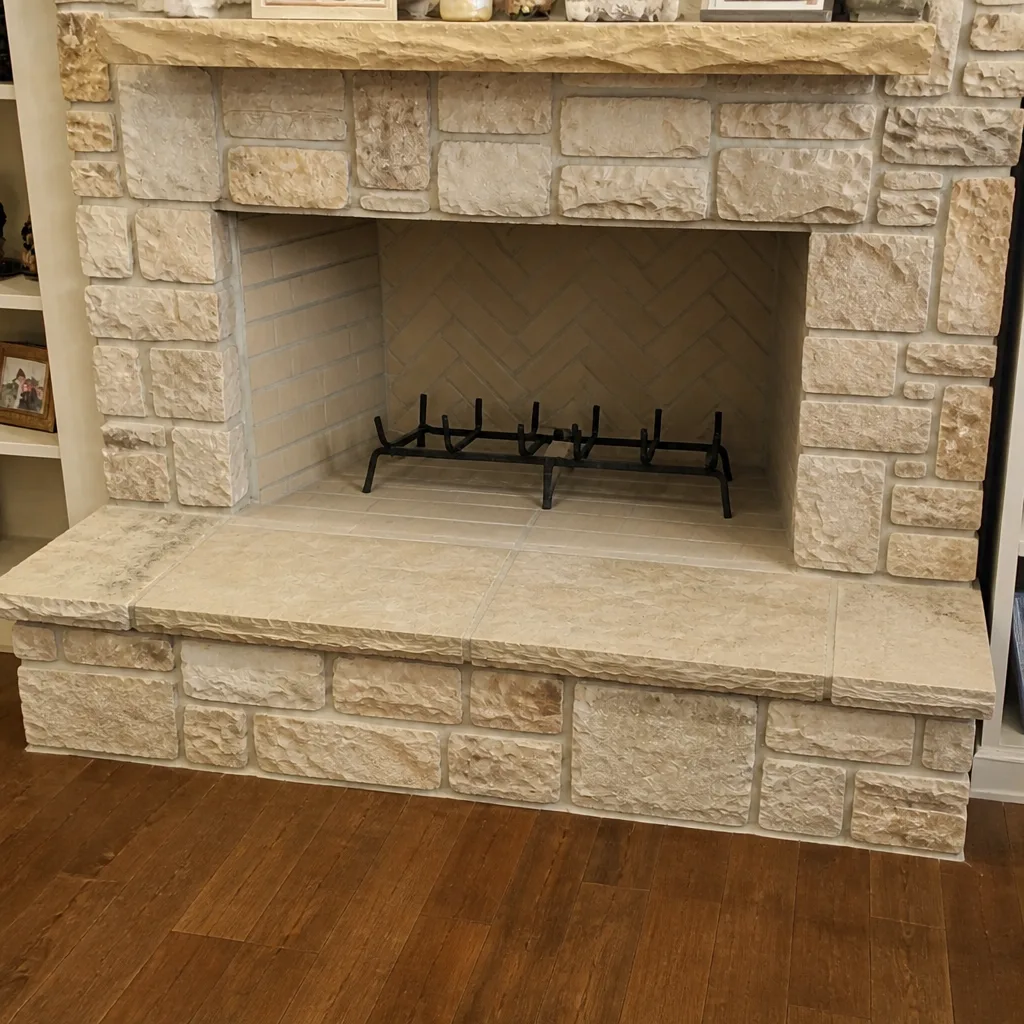
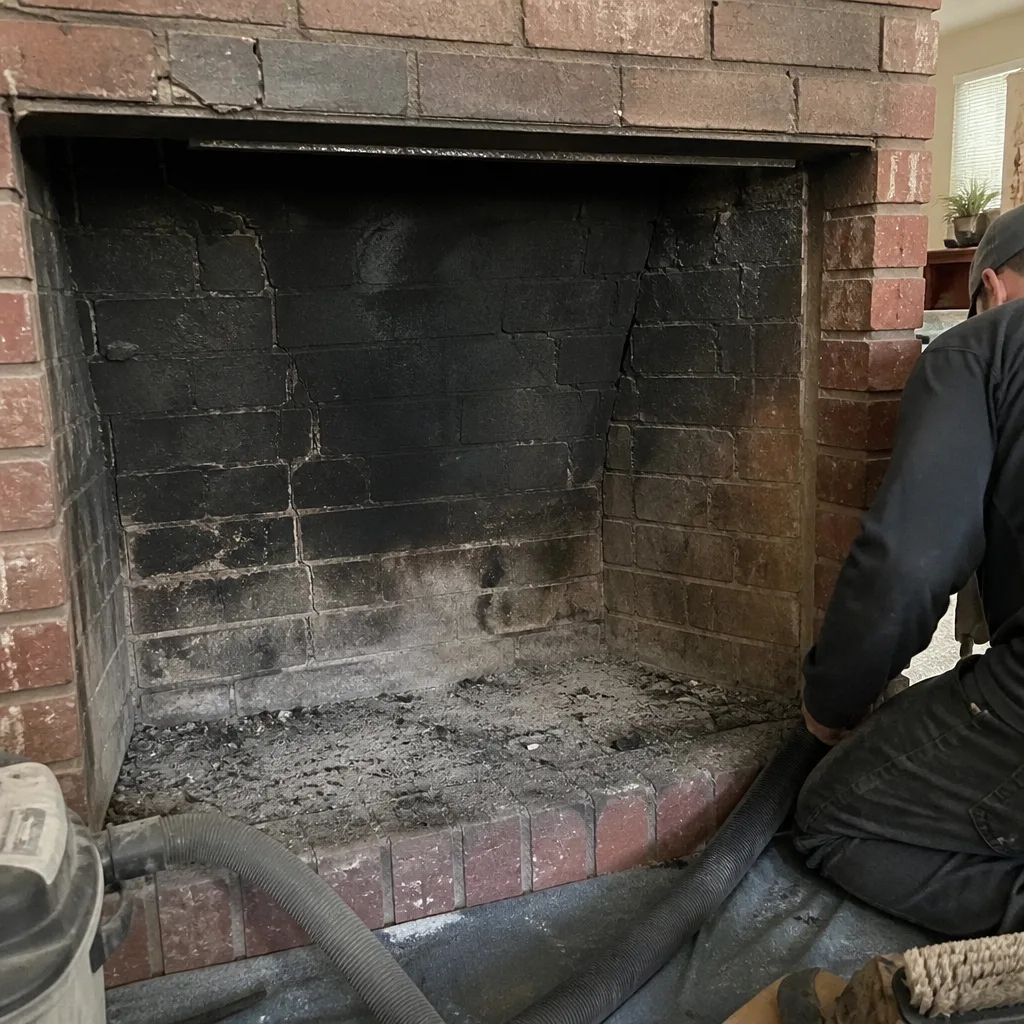
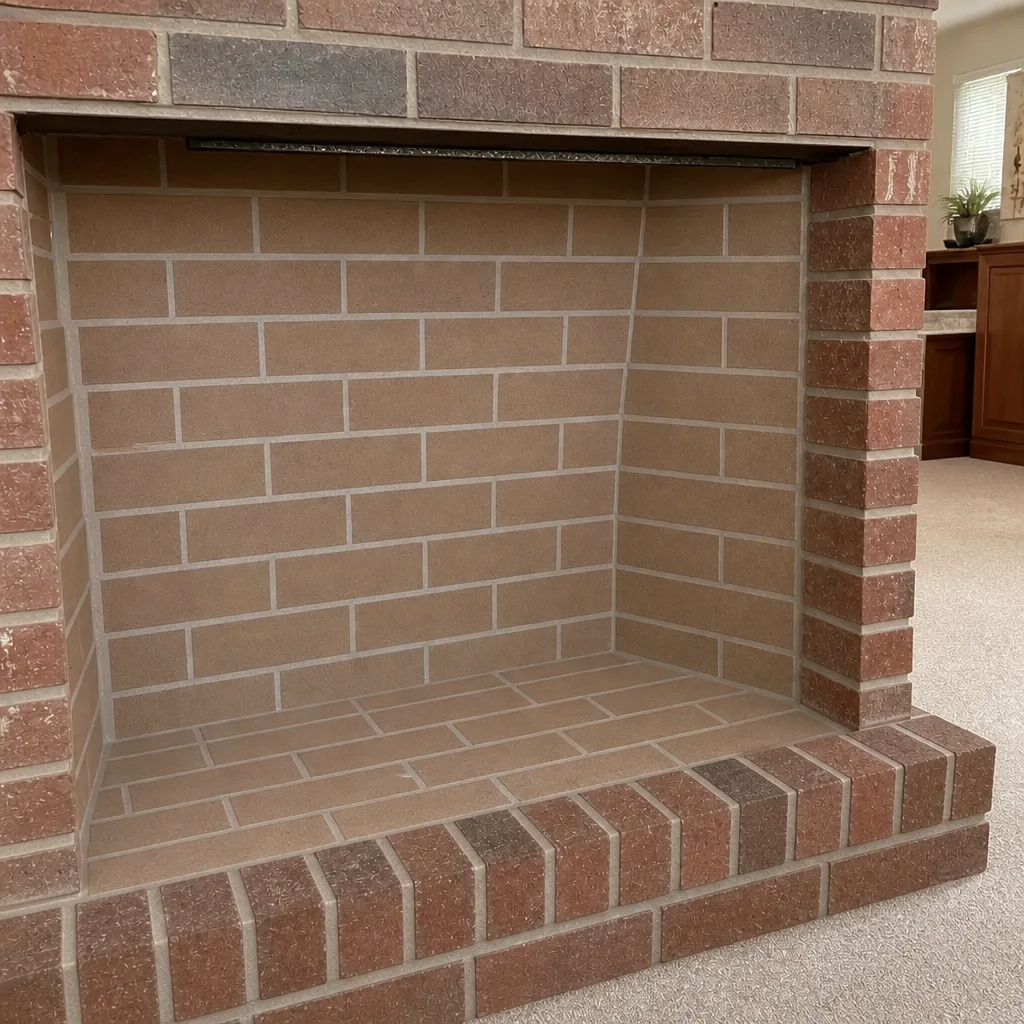
See the difference
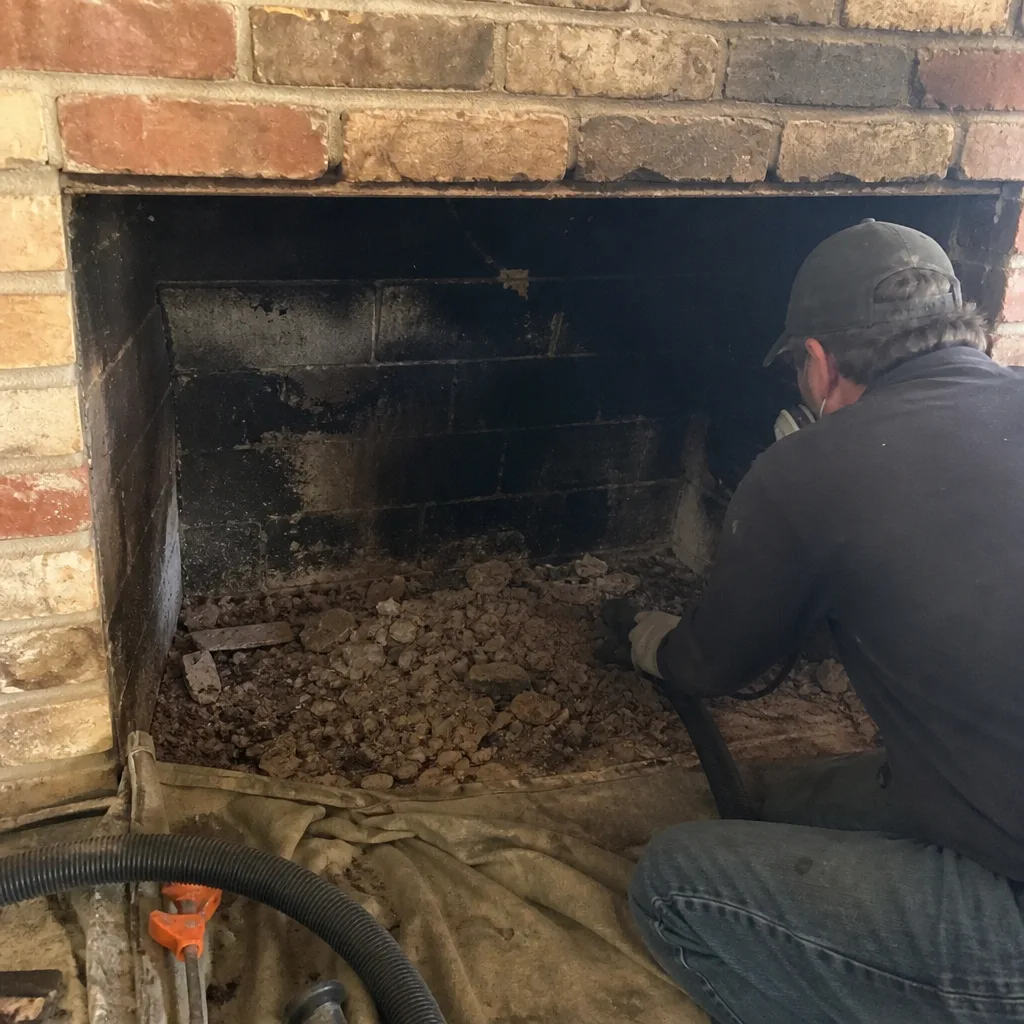 Before
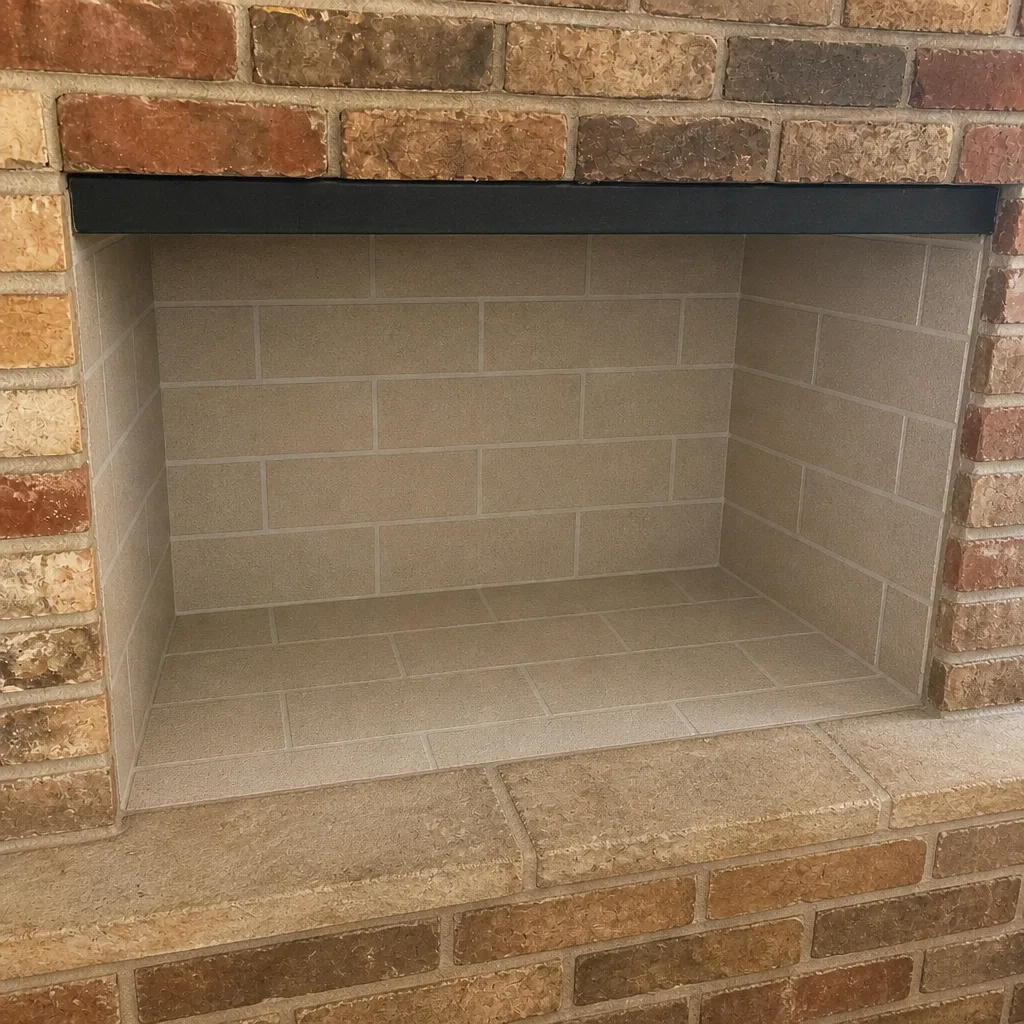 After
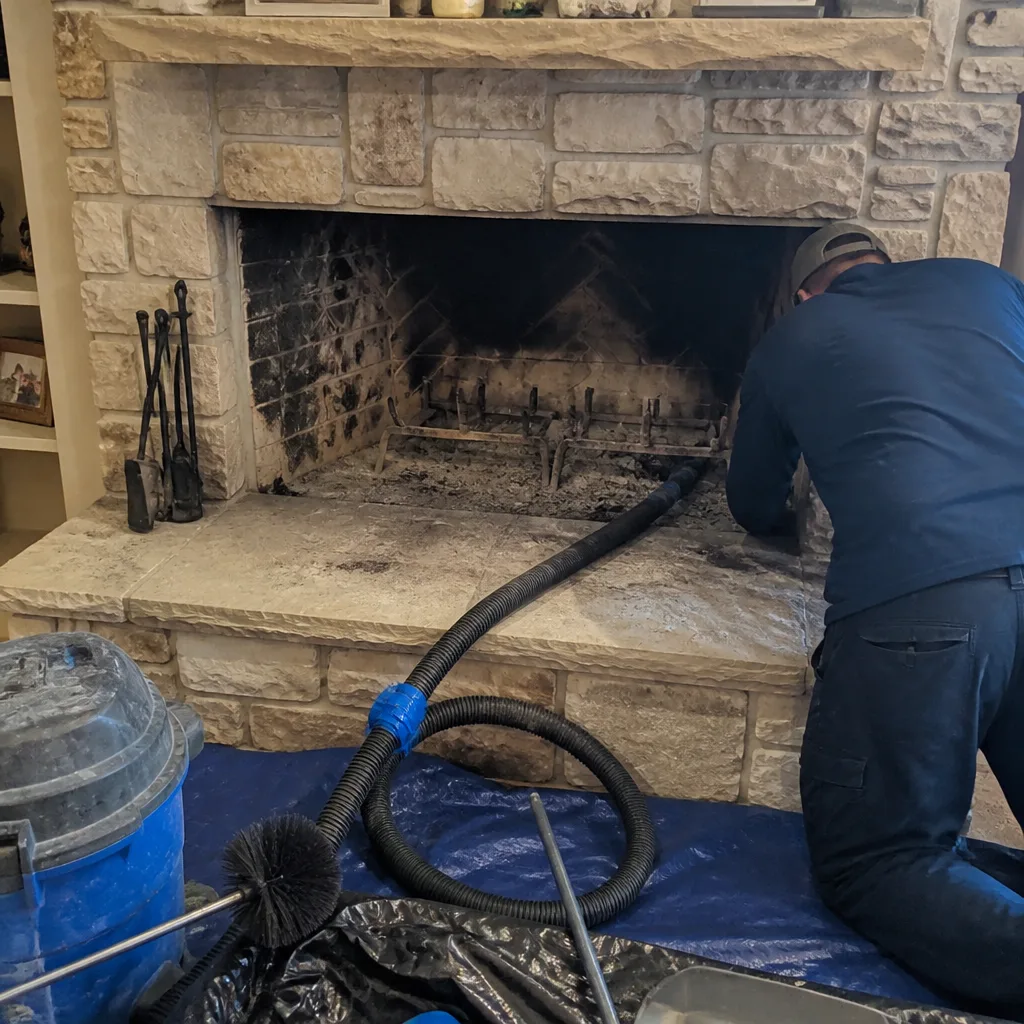 Before
 After
 Before
 After
Frequently Asked Questions
Sweep and inspect once a year, and a second time after storm season if you want a water check. In a mild climate with occasional fires, creosote builds more slowly, but moisture and pest damage move faster, so the annual inspection stays essential even if the flue looks clean from below. Call (855) 726-7805 to book a sweep and inspection; estimates are free.
Yes. A chimney that sits unused in a humid climate is more vulnerable to moisture and pest damage, not less, because there’s no hot-fire drying cycle to keep it in check. The annual inspection catches water and animal problems while they’re still small.
A sweep clears soot and debris from the flue; an inspection assesses the liner, crown, cap, flashing, and overall condition. They’re different jobs, and you want both, ideally in the same visit. The inspection is the part that finds hidden damage, which is why the camera matters.
White chalky staining on the exterior, dark streaks on the masonry, a musty odor from the firebox, or water stains on ceilings and walls near the chimney all point to moisture. Any of these warrants a professional look. Call (855) 726-7805 for an assessment.
No. A cap is one of the best defenses against water and animals, but it’s not a substitute for the annual sweep and inspection. Caps fail, flashing lifts, and cracks form in crowns; the annual look is what catches those before they become repairs.
Don’t clear it yourself. Document what you see, book a professional to remove it safely, and have the flue inspected afterward to check for liner damage. A nest is a sign of an open entry point, so the cap and screen are the next thing to check.
The Bottom Line
A Clear Lake chimney needs a different checklist than a cold-climate one. The dominant threats here are humidity, infrequent use, and storm-season water, with creosote as a secondary concern. Run a pre-season pass before the first burn, a post-storm exterior pass after the wet season, check the cap, crown, and flashing every year, and watch for animals in spring. Keep a simple dated log of every sweep and inspection; it’s your evidence if an insurer or buyer ever asks. Know what you can check safely and book the camera inspection for the rest. You can start with a Chimney Sweep Clear Lake visit, and if the report turns up something in the firebox, fireplace repair can be handled by the same specialist team. Call (855) 726-7805. We answer 24/7. Fast dispatch from 7am to 7pm, Sunday through Friday.
Written by the team at Chimney Sweep Clear Lake.